

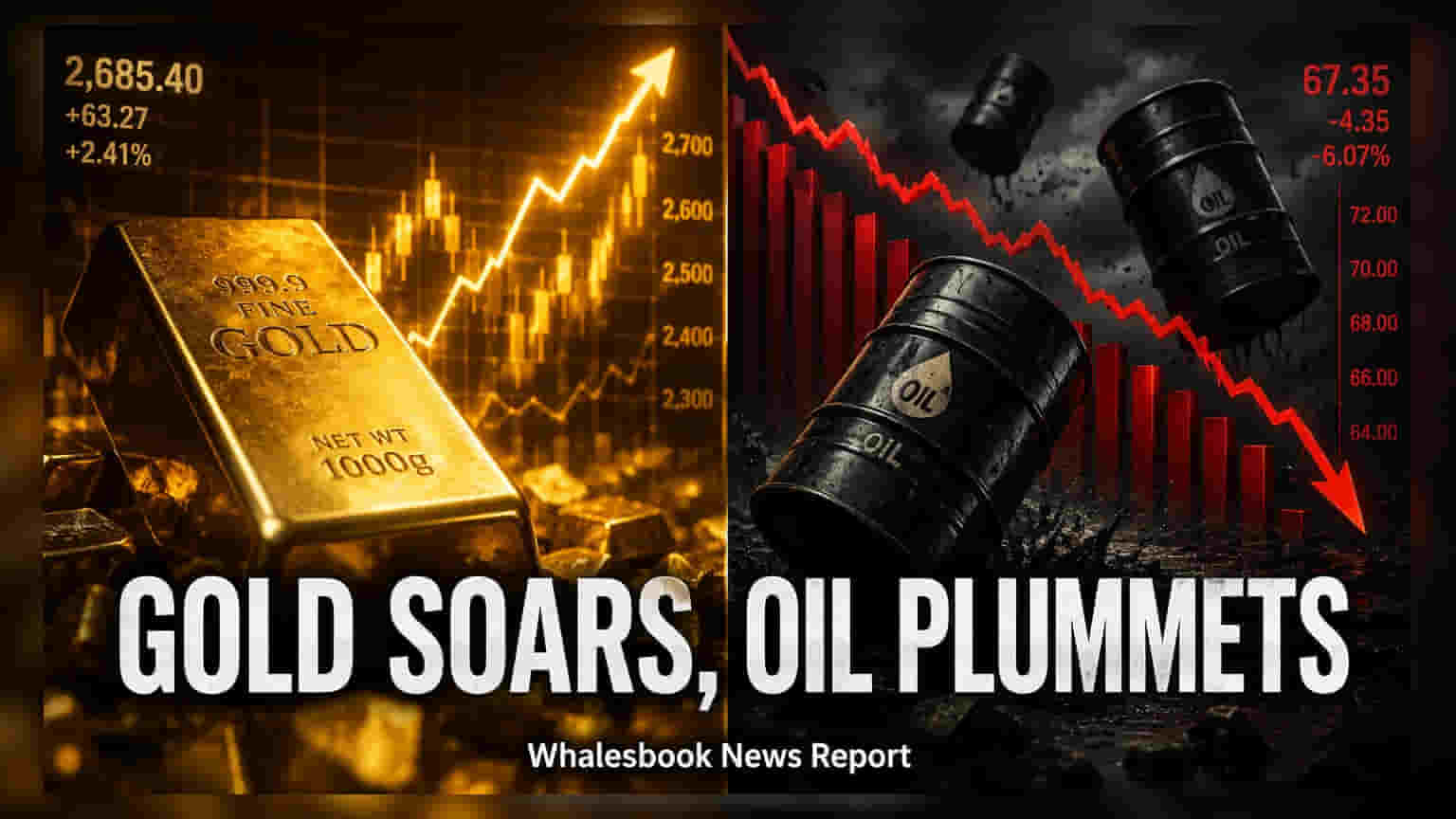
Gold prices climbed to a two-month high as cooling U.S. inflation data reduced expectations for Federal Reserve rate hikes. Meanwhile, crude oil prices dropped by over 1.5% following revised global demand forecasts for 2026 and a significant rise in U.S. crude inventories. These trends reflect a split in commodity markets, balancing economic slowdown fears against ongoing supply-side risks.
Gold prices climbed to a two-month peak on Thursday, August 13, 2026, as the latest U.S. inflation data provided a boost to the yellow metal. Spot gold rose by 0.9%, trading at approximately $4,450 per ounce, while silver followed, gaining 1% to reach $65.94 per ounce. This rally is primarily driven by shifting expectations surrounding the U.S. Federal Reserve’s monetary policy. When inflation data cools, it reduces the pressure on the central bank to maintain high interest rates, making gold—a non-interest-paying asset—more attractive to investors.
Oil Prices Face Pressure from Demand Outlook
While gold rallied, the energy market experienced a sharp decline. Crude oil prices slipped by more than 1.5% during the session. Brent crude futures fell to $87.69 a barrel, while West Texas Intermediate (WTI) futures dropped to $81.97 a barrel. The primary reason for this slide is a downward revision in global oil demand forecasts for 2026. Reports indicate that the International Energy Agency now expects global oil consumption to contract by 1.6 million barrels per day. Adding to the negative sentiment, U.S. crude inventories rose by 17.4 million barrels for the week ended August 7, 2026, which marks the largest stockpile increase since early 2023. Higher inventories often signal that supply is outpacing current consumption levels.
Balancing Geopolitical Risks and Economic Data
Despite the downward pressure on oil, the market remains sensitive to supply constraints. Ongoing geopolitical tensions, particularly involving the U.S. and Iran, alongside concerns over potential disruptions in the Strait of Hormuz, continue to provide a floor for oil prices. For investors, these commodities currently highlight two different market moods: fear of an economic slowdown weighing on oil, and relief over inflation helping gold.
In the Indian context, these trends carry specific implications. Lower global oil prices generally help reduce the country’s oil import bill, which can be positive for the domestic currency. Conversely, rising gold prices are often watched for their impact on domestic jewelry demand and inflation sentiment. The next critical update for investors to track will be the upcoming producer price data, which may further clarify the path for U.S. interest rates and influence commodity price stability.