

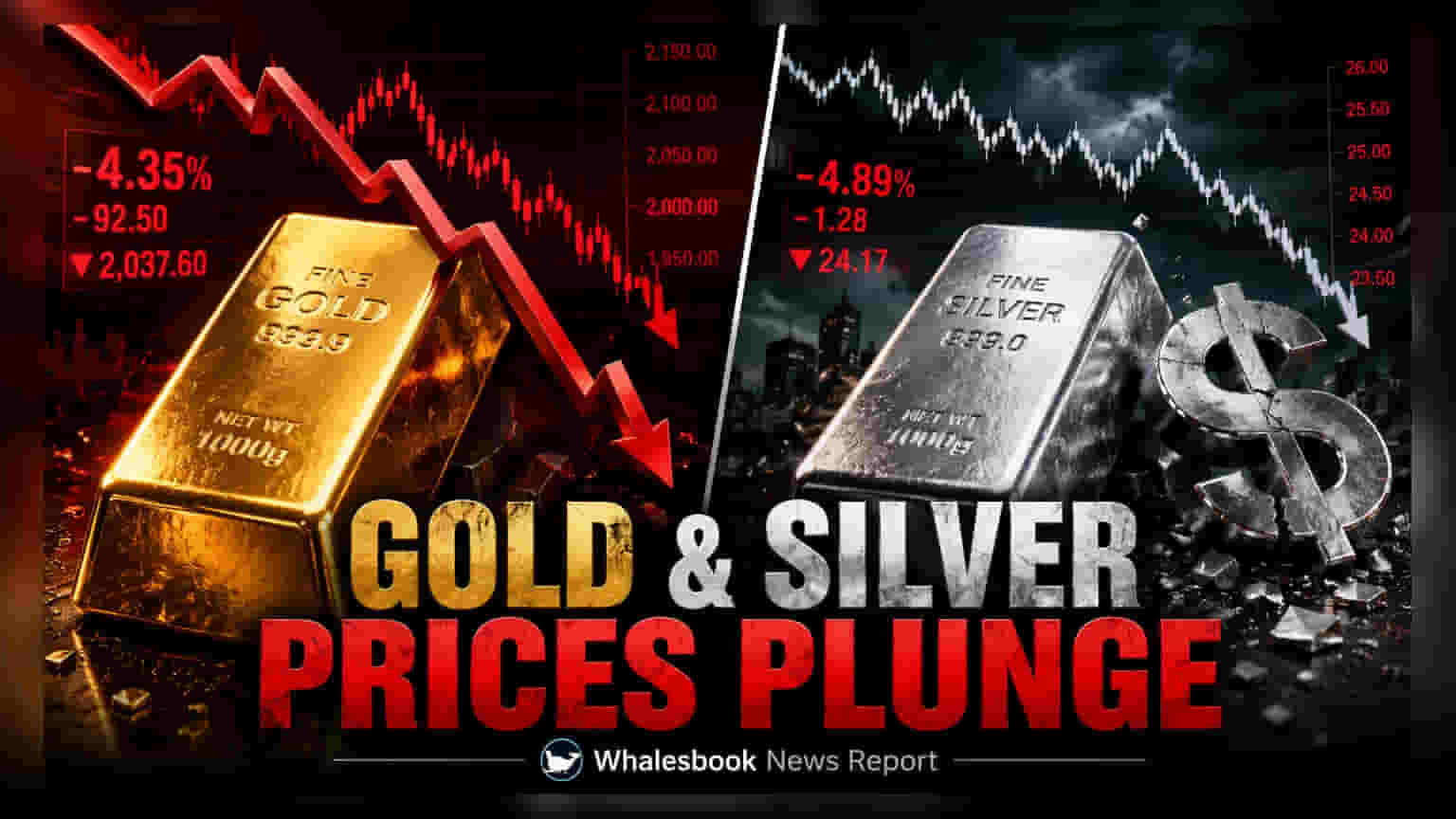
Gold prices fell to their lowest level in nearly a week on Wednesday, pressured by a stronger US dollar and rising crude oil prices. Higher interest rate expectations in the US have further dampened demand for non-yielding bullion. Investors remain focused on how geopolitical tensions and central bank buying will influence future price volatility.
Gold prices experienced a notable decline on Wednesday, reaching their lowest point in almost seven days. Silver futures also followed a downward trend, reflecting a broader retreat in precious metals as investors react to shifting global economic pressures.
The recent slide is primarily driven by a robust US dollar. Because gold is priced in dollars, a stronger currency makes the metal more expensive for international investors, which typically lowers demand. Alongside this, crude oil prices have jumped by nearly 3% following recent US military activity in West Asia. Higher energy costs often stoke fears of persistent inflation, leading markets to anticipate that central banks, particularly the US Federal Reserve, may maintain higher interest rates to combat rising prices.
Interest Rate Expectations and Gold Demand
For investors, the relationship between interest rates and gold is a key factor to monitor. Unlike stocks or bonds, gold does not pay interest or dividends. When interest rates rise, the cost of holding gold increases, as investors can earn better returns in interest-bearing assets like government bonds. Currently, market data from the CME FedWatch Tool indicates a greater than 67% probability of a US Federal Reserve interest rate hike in September. This market pricing is actively discouraging fresh inflows into gold and silver positions.
Central Bank Support and Regional Developments
Despite the immediate pressure, there is ongoing activity in the precious metals sector that provides some underlying support. Data from June shows that China’s central bank recorded its largest monthly addition to its gold reserves in more than two-and-a-half years. This steady demand from official institutions highlights a long-term interest in gold as a store of value.
Additionally, Hong Kong is taking steps to increase its importance in the global gold trade. The region recently launched a central gold clearing system and has resumed trading in dollar-denominated gold futures. There are also discussions regarding the potential introduction of yuan-denominated gold contracts, which could diversify trading options for investors in the region.
Investors should track how the balance between aggressive central bank policies and geopolitical uncertainty plays out. While official buying from institutions like China’s central bank provides a floor, short-term price movements will likely continue to be driven by fluctuations in the US dollar and updates on US interest rate policy.