

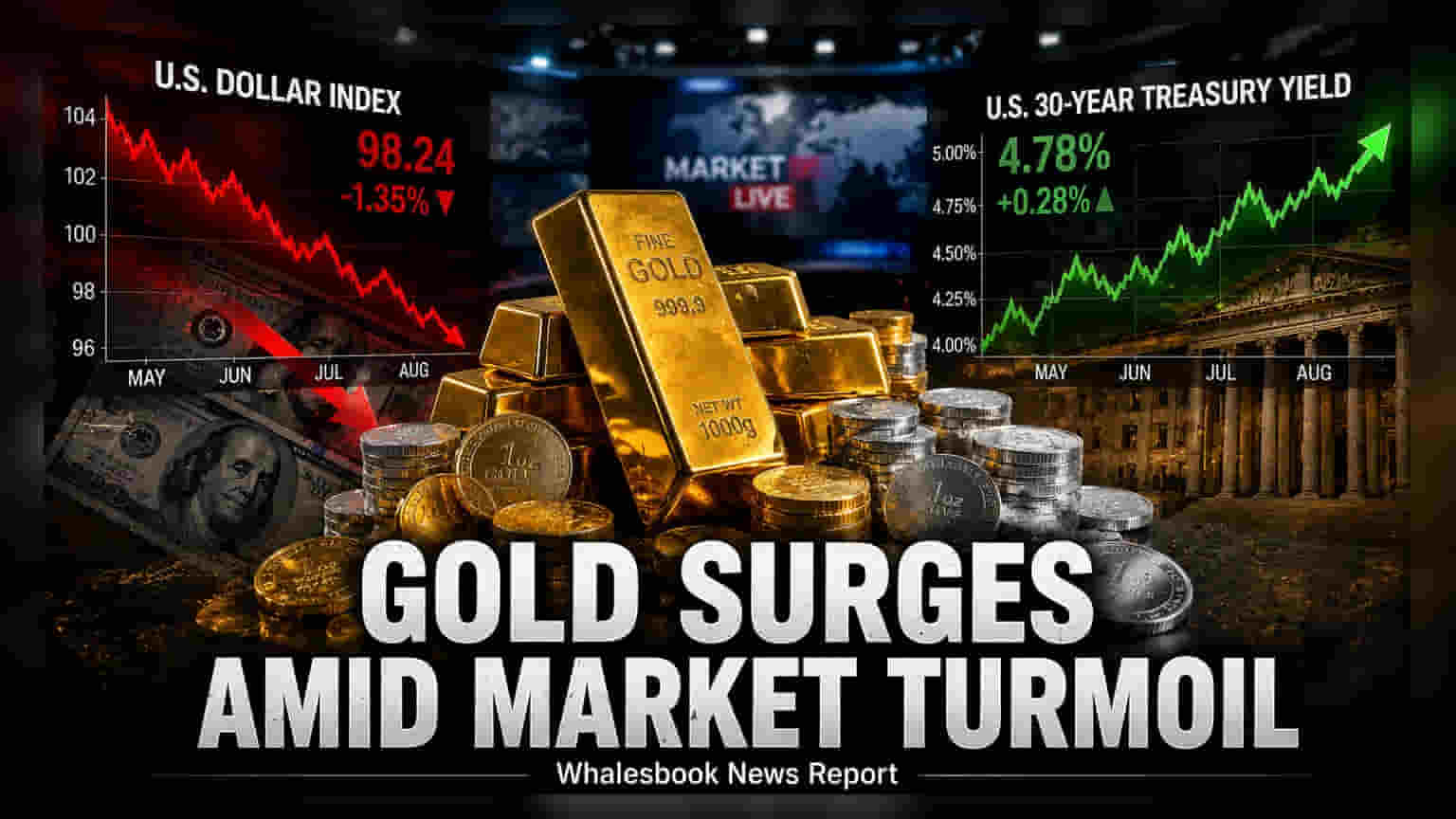
Gold prices have surged to a three-month high near $4,636 per ounce after the U.S. Treasury unveiled a surprise plan to double its long-dated debt buybacks. This shift has pushed bond yields lower and weakened the dollar, strengthening gold’s appeal as a safe-haven asset. The rally has also sparked positive momentum in Indian gold-linked financial stocks.
Gold prices have climbed to a three-month high, trading between $4,600 and $4,636 per ounce, as global markets respond to a significant policy shift from the U.S. Treasury. The primary catalyst for this rally is the Treasury's unexpected announcement to increase its long-dated government debt buybacks from $2 billion to at least $4 billion per operation.
This move is designed to stabilize the bond market, but it has triggered an immediate reaction in the bullion market. By increasing buybacks, the Treasury is exerting downward pressure on U.S. Treasury yields. Since gold does not pay interest, it competes with bonds for investor capital; when bond yields fall, gold becomes a more attractive alternative. Simultaneously, this action has contributed to a weaker U.S. dollar, which makes gold cheaper for international buyers, further fueling demand.
Impact on Indian Financial Stocks
The rally in gold prices has had a ripple effect on Indian markets, particularly for gold-backed lending companies. Stocks of major players such as Muthoot Finance, Manappuram Finance, IIFL Finance, and CSB Bank have experienced positive market movement. For these companies, a rise in gold prices acts as a supporting factor because it increases the value of the collateral held against loans. This often provides comfort to lenders regarding the security of their loan books.
The 'Debasement Trade' and Geopolitical Risks
Beyond the immediate bond market reaction, investors are increasingly turning to gold due to concerns over U.S. fiscal sustainability. With total U.S. debt exceeding $40 trillion, some investors are engaging in what is known as the 'debasement trade,' purchasing gold as a hedge against potential currency devaluation. Furthermore, ongoing geopolitical tensions, particularly regarding U.S.-Iran relations, continue to position gold as a preferred safe-haven asset during times of global uncertainty.
Risks and Market Monitorables
While the current momentum is positive for gold, investors should remain aware of potential headwinds. High long-end Treasury yields could pose a risk to non-yielding assets like gold if they begin to climb again. Additionally, persistent fiscal deficits and the possibility of renewed inflationary pressure—especially if crude oil prices spike—could lead to volatility in interest rate expectations.
Looking ahead, market participants will focus on upcoming U.S. economic indicators, specifically the Personal Consumption Expenditures (PCE) price index, which is a key gauge for inflation. Statements from Federal Reserve officials regarding the future path of interest rates will also be critical, as any signals suggesting higher-for-longer rates could dampen the current enthusiasm for gold.