

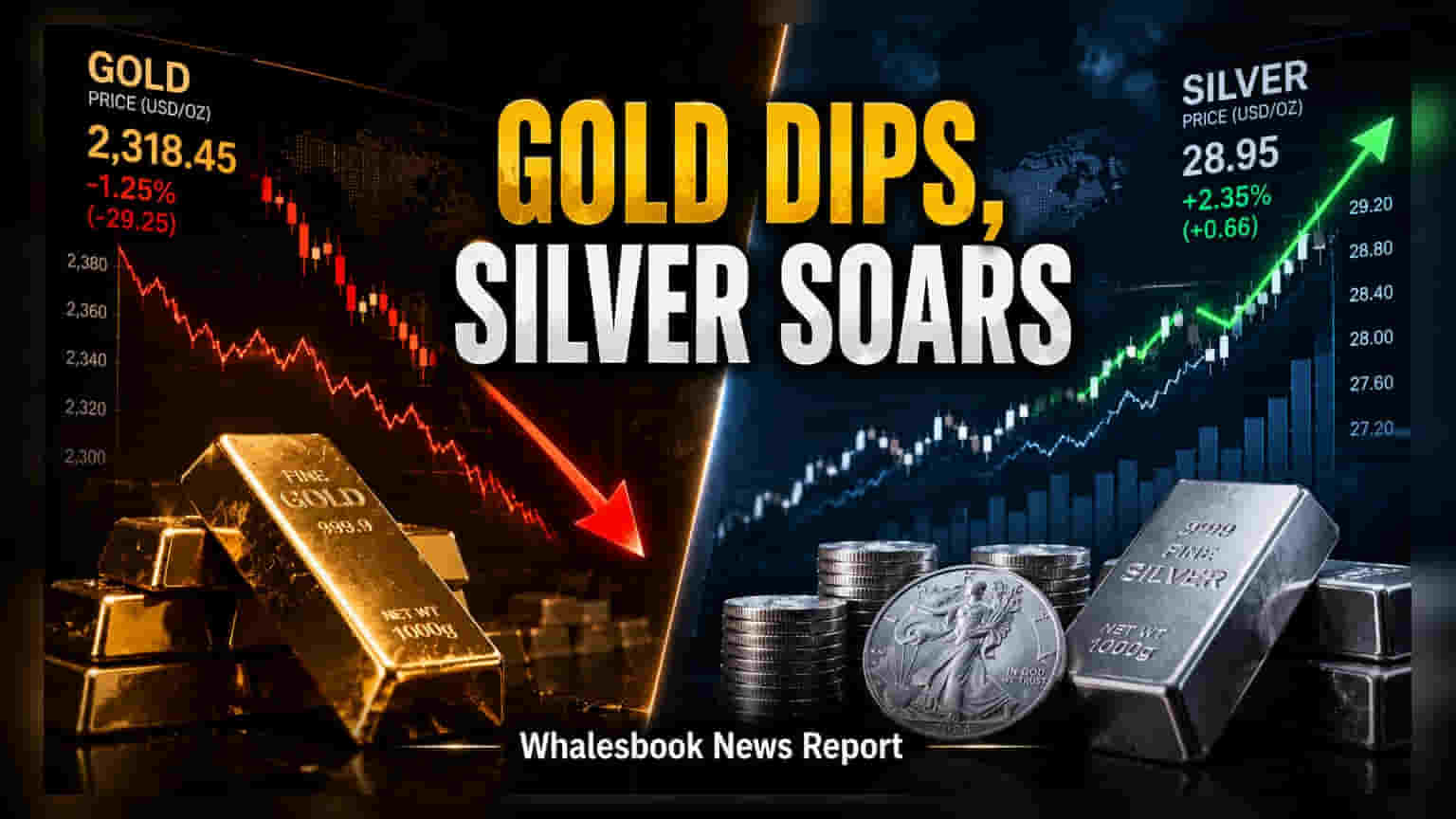
Gold prices are under pressure for the second week as rising US real yields increase the cost of holding the metal. While geopolitical tensions usually support gold, a firm dollar and the Federal Reserve's focus on price stability are currently weighing on the commodity. Meanwhile, silver maintains a steady outlook due to a persistent global supply deficit.
Gold prices have faced consistent downward pressure, declining for two consecutive weeks as investors react to a challenging macroeconomic environment. The precious metal is currently trading near the $4,000 per ounce level, struggling against the impact of rising 10-year US real Treasury yields, which have climbed to their highest levels since April 2025. For investors, higher yields on government bonds increase the opportunity cost of holding non-yielding assets like gold, making them less attractive compared to interest-bearing investments.
Impact of Federal Reserve Policy
The market environment remains sensitive to signals from the Federal Reserve regarding monetary policy. Despite a recent report showing softer-than-expected US consumer inflation, the relief for gold prices was temporary. Federal Reserve Chair Kevin Warsh has maintained a firm stance on price stability, indicating that the central bank remains committed to its policy path regardless of single data points. This commitment has helped keep the US dollar strong, which typically creates an inverse pressure on dollar-denominated gold prices.
Monitoring Economic Data
Investors looking for the next trend in precious metals are focusing on upcoming US economic indicators. The Producer Price Index data, alongside reports on retail sales and weekly jobless claims, will be critical in assessing the underlying inflationary pressure in the economy. Additionally, developments in the ongoing conflict between the US and Iran remain a significant factor. While such geopolitical tensions often act as a driver for safe-haven demand, the current strength of the dollar and elevated energy costs are dominating the short-term price movement.
Silver and the Supply Deficit
Unlike gold, which is primarily influenced by monetary policy and currency fluctuations, silver is heavily impacted by its industrial supply dynamics. Currently trading near $58.50 per ounce, silver faces similar near-term headwinds from the strong dollar and high bond yields. However, the medium-to-long-term outlook is supported by a projected sixth consecutive year of supply deficits. Because silver is often extracted as a byproduct of base metal mining, supply cannot be easily increased in response to higher prices. This structural tightness is expected to provide a floor for prices over the coming months, even if short-term volatility persists due to global economic signals.