

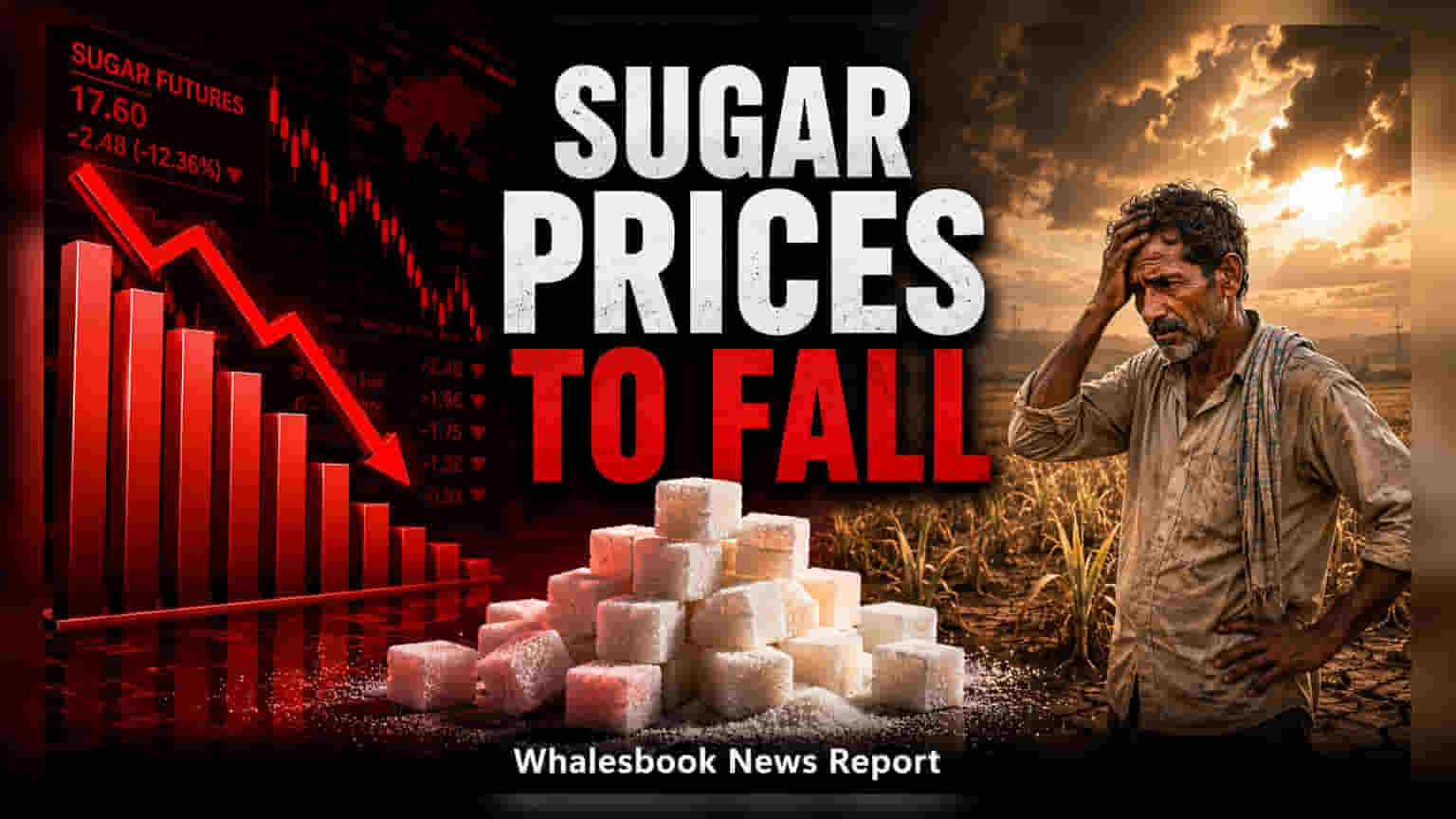
While global sugar contracts show deficit warnings, analysts expect prices to fall in the coming quarters. Improved monsoon conditions in India and easing energy tensions are balancing the supply-demand outlook. For Indian investors, the key focus remains on domestic stock limits and upcoming production data.
Global sugar prices are showing signs of a downward trend despite rising concerns about potential supply shortages. While traders have moved to forecast a market deficit, global raw sugar prices continue to hover near 15 US cents per pound. This price movement suggests that current supply forecasts and easing geopolitical tensions are weighing more heavily on the market than immediate supply concerns.
Diverging Market Views
Historically, a shift toward a deficit would push prices higher. However, market experts are currently divided. Some research firms now estimate a modest deficit of 300,000 tonnes, while others point to a much steeper shortfall of 3.3 million tonnes for the 2026/27 season. Despite these warnings, major institutions expect average prices to remain under pressure throughout the year. The market is pricing in the possibility of sufficient availability from existing global stocks, which currently sit at comfortable levels following recent high-production seasons.
The Indian Context and Regulatory Moves
For investors in the Indian sugar sector, the situation is evolving. India, a significant sugar producer, has seen its monsoon rainfall deficit shrink to 12% as of early August, which supports a more optimistic view on the upcoming crop yield. To manage domestic availability and prevent sudden price spikes, the government recently introduced stock limits for sugar dealers, effective from August 1 through November 30. These regulatory measures highlight a cautious government approach to maintaining local supply, which acts as a domestic stabilizer regardless of global price volatility.
Risks and Variables to Monitor
Investors should monitor several moving parts that could change this outlook. The looming threat of a strong El Niño event remains a significant wildcard, as it could disrupt harvest progress in major producing nations like Brazil, India, and Thailand.
Another critical factor is the relationship between crude oil prices and sugar. If energy costs spike, sugar mills often divert more sugarcane toward ethanol production rather than manufacturing sugar. This shift can tighten global sugar supplies quickly. However, unless such disruptions occur, the current price trajectory reflects a market that is not yet convinced of a severe shortage.
The path ahead depends on weather updates and actual production yields. Investors should track domestic stock levels, government policy changes, and any fluctuations in global crude oil prices, as these will directly influence the financial health of the sugar sector in the coming quarters.