 Whalesbook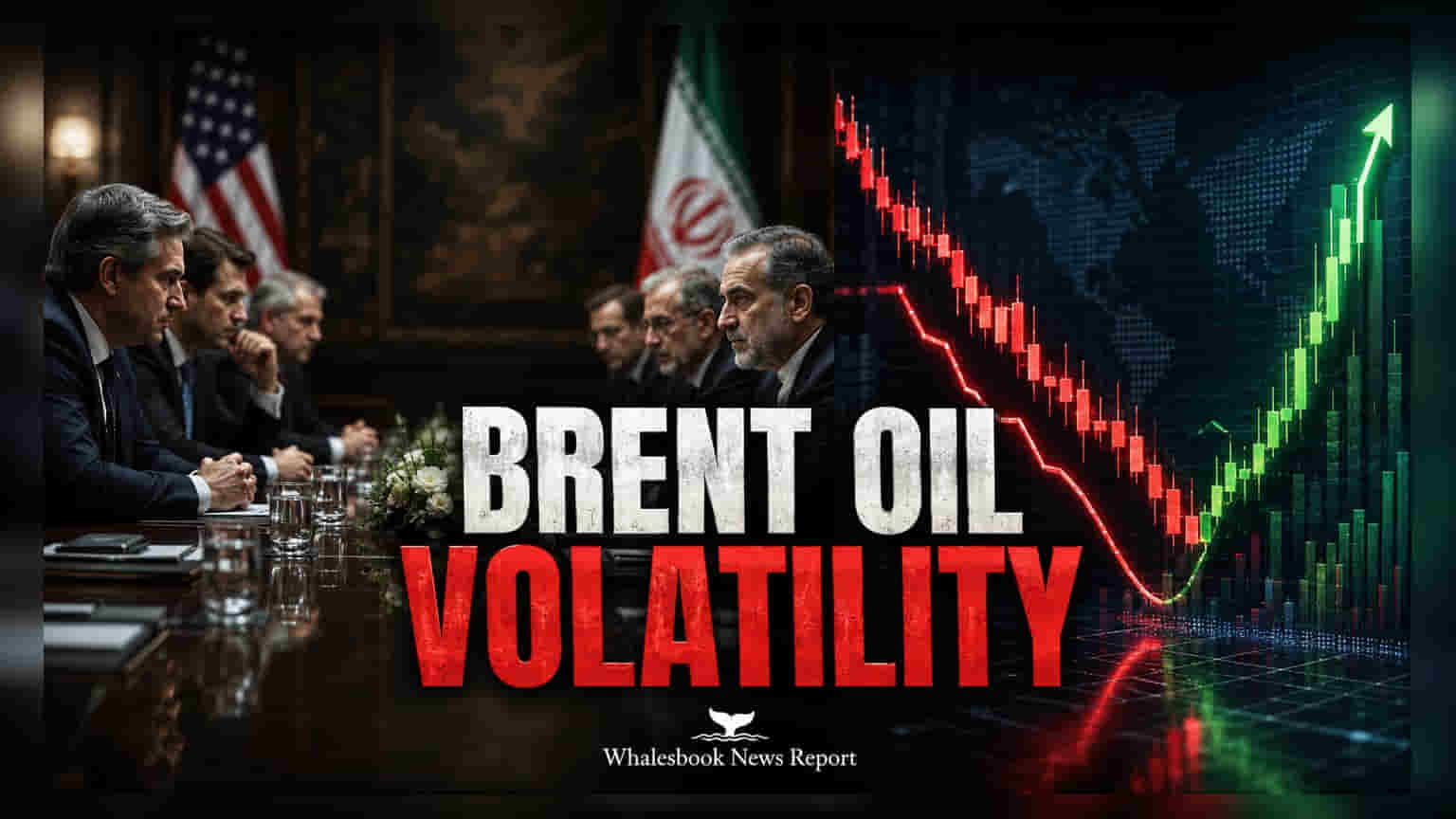


Inventory Drop Creates Volatile Market
The focus on diplomatic negotiations regarding the Strait of Hormuz often overshadows the critical state of global crude oil reserves. In the second quarter of 2026, the rapid depletion of on-land stocks has left OECD nations with very little buffer. This scarcity makes the market highly sensitive, where even small supply disruptions can cause significant price swings. Current estimates suggest operational reserves provide less than seven weeks of supply, making the market extremely vulnerable if diplomatic talks fail.
Lasting Supply Shortages Beyond Diplomacy
Even if current tensions ease, the energy sector faces a fundamental shift. Unlike past situations where surplus oil could be quickly brought online, years of underinvestment and recent geopolitical strain have significantly reduced OPEC's spare production capacity. This lack of idle capacity removes a key mechanism for absorbing price shocks. Consequently, rising energy costs have fueled persistent inflation, prompting central banks to maintain hawkish monetary policies. The Federal Reserve, closely monitoring energy-driven inflation, is expected to keep interest rates high, which in turn discourages the capital investment needed for long-term oil production.
Risks Point to Market Downturn
Optimism about diplomatic solutions may overlook serious structural risks that could lead to a sudden liquidity crisis in energy markets. A major concern is a potential 'false dawn,' where an agreement might not solve the core issues of supply instability. If negotiations falter, the absence of significant spare capacity means oil prices could surge dramatically in the short term. Furthermore, the gap between manufacturing stockpiles and actual consumer demand suggests a fragile industrial economy. If high energy prices eventually force a steeper slowdown in U.S. and Chinese consumer spending, the market could experience a challenging mix of high prices and falling demand, making energy assets susceptible to a sharp correction. Central banks face a difficult choice: they may need to maintain restrictive interest rates to combat energy inflation, even as the wider economy weakens, potentially creating a stagflationary environment that hinders future investment in production.