

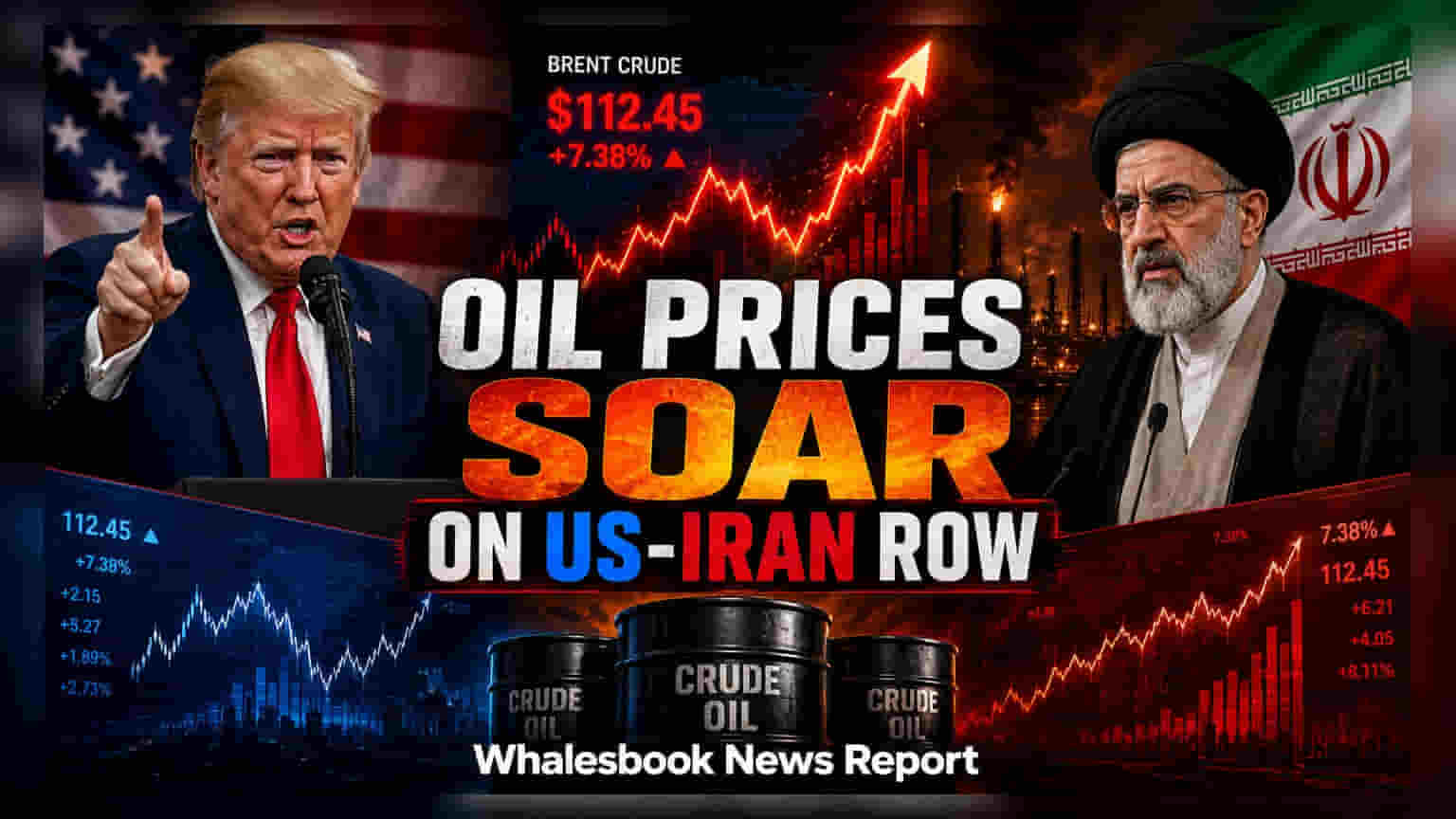
Crude oil prices climbed over 2% on Tuesday as hopes for a US-Iran peace deal faded. President Trump’s demand for reparations and the assertion of full control over the Strait of Hormuz have triggered supply concerns. For Indian investors, this is a signal to watch for potential inflationary pressure, as higher oil costs often weigh on the domestic currency and the country’s massive oil import bill.
Global oil markets reacted sharply on Tuesday as crude prices climbed by more than 2%. Brent crude hit approximately $89.81 per barrel, while US West Texas Intermediate (WTI) rose to around $84.39 per barrel. This uptick follows a breakdown in hopes for a near-term peace agreement between the United States and Iran, a conflict that has been ongoing since early 2026.
The market shift was primarily triggered by comments from US President Donald Trump. In a significant hardening of the US stance, the administration announced it would pursue reparations from Iran for alleged damages spanning the last 50 years. Furthermore, the US asserted total control over the Strait of Hormuz, a critical shipping lane for global energy supplies. The US indicated that its navy is enforcing a blockade, which has renewed fears of potential disruptions to the flow of oil from the Middle East to the rest of the world.
For Indian investors, the rise in global oil prices is a development to monitor closely. India imports more than 80% of its crude oil requirements, making the country’s economy highly sensitive to global price movements. When oil prices surge, the national import bill increases. This usually puts downward pressure on the Indian Rupee and can widen the trade deficit. If high prices persist, it may also lead to inflationary pressure within the domestic economy, as costs for transport and logistics rise.
Several sectors in the Indian stock market are directly influenced by oil price volatility. Oil Marketing Companies (OMCs) are often the first to feel the impact, as their profitability depends on their ability to pass on the fluctuating cost of crude to consumers at the pump. Meanwhile, sectors such as paints, chemicals, and aviation, which rely heavily on oil derivatives, may face margin pressure if higher raw material costs cannot be fully offset.
Looking ahead, the primary concern for the market is whether the rhetoric surrounding the Strait of Hormuz will translate into physical restrictions on shipping. If the transit of oil tankers through this waterway is significantly hampered, the impact on global supply chains could be severe, keeping energy prices elevated for a longer period.
Investors should keep track of official updates regarding the Strait of Hormuz and any further statements from both US and Iranian authorities. Monitoring the daily movement of Brent crude and any commentary from the Indian government regarding fuel price adjustments or strategic reserves will be essential to understanding the near-term economic impact.