

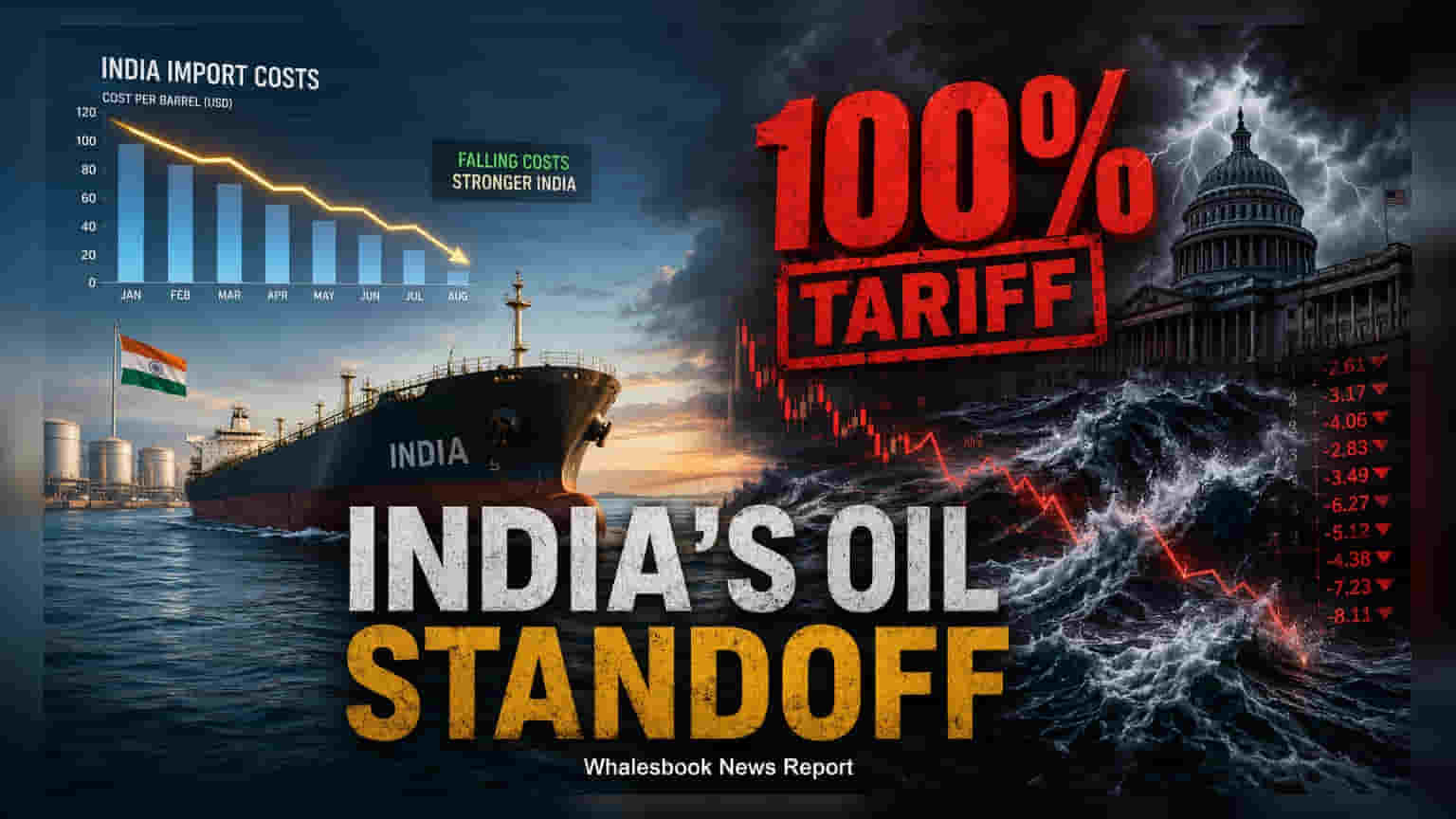
The Global Trade Research Institute recommends India continue importing Russian crude oil despite potential US tariff threats. Maintaining these imports remains vital for India's energy security and inflation control. Investors should monitor how trade diplomacy impacts fuel costs and import bills for Indian oil marketing companies.
The Global Trade Research Institute (GTRI) has publicly recommended that India maintain its current crude oil import policy, even as US legislators push for potential tariffs on nations purchasing Russian energy. This guidance comes as the US Senate moves toward legislation that could grant the US President power to impose significant tariffs on countries that continue to import Russian oil and gas.
Economic Importance of Russian Crude
For Indian energy markets, Russia has become the single largest supplier of crude oil. In the financial year 2026, Russia accounted for approximately 30.3% of India's total crude imports. Out of a total import bill of $134.7 billion, India purchased $40.8 billion worth of crude from Russia. Access to these discounted supplies has been a critical factor for Indian oil marketing companies (OMCs) in managing operating costs and has helped the government contain domestic inflationary pressures by keeping fuel prices relatively stable.
Trade Relations and Regulatory Risks
The proposed US legislation seeks to mandate a review every 180 days of the top five buyers of Russian energy. Under this framework, India, alongside nations like China, Hungary, and Slovakia, could face scrutiny. While the bill includes potential exemptions for countries that reduce their reliance on Russian energy below 15%, the GTRI suggests that India's strategic autonomy and economic interest should remain the priority. The institute advises that India should navigate these geopolitical pressures through diplomatic dialogue rather than making immediate, unilateral changes to its trade strategy.
Implications for Indian Markets
Investors in the energy and downstream petroleum sectors should track how potential shifts in import policy might affect profit margins. If India were pressured to shift away from discounted Russian crude toward more expensive sources in the Middle East or elsewhere, it could lead to an increase in the national import bill and create margin pressure for state-run oil companies. Furthermore, the US bill also proposes sanctions on financial and shipping entities involved in the energy trade with Russia. Any restrictions on logistics or banking channels could add operational complexity and increase costs for Indian importers. The next key update will be the progress of this legislation through the US House of Representatives and whether it receives final presidential approval, as these developments will determine the actual regulatory environment for global crude trade.