
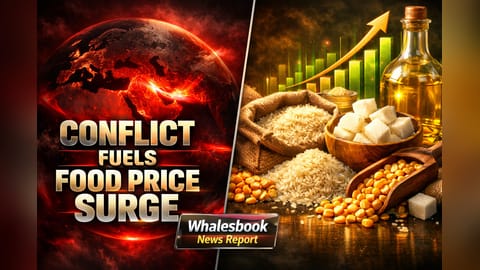
Energy Crisis Drives Food Prices Higher
Global food commodity prices continued their upward trend through March 2026. The FAO Food Price Index hit 128.5 points, a 2.4% jump from February and a 1.0% increase compared to the previous year. The main reason for this broad rise was a sharp increase in energy prices, directly tied to heightened geopolitical conflict in the Near East. Benchmark crude oil prices like Brent went above $112 per barrel, seeing their biggest monthly gain ever, while WTI also posted significant increases due to fears of supply disruptions in key routes like the Strait of Hormuz. This energy shock added to inflation across global supply chains, affecting not just crude oil but also natural gas and refined products.
Soaring Input Costs Squeeze Farmers
The energy crisis is hitting farmers hard through soaring costs for essential supplies. International fertilizer prices have surged dramatically. Urea prices jumped about 50% since late February, from around $400-$490 per metric ton to nearly $700. DAP and MAP fertilizers rose over 30%. Specific nitrogen fertilizers saw double-digit monthly gains in March, with urea prices reaching $674/ton and anhydrous fertilizer topping $1,000/ton for the first time in over a year. These price hikes are tied to higher natural gas costs, a key ingredient for fertilizers, and are heavily impacting farmers' profits. Many farms expect higher production costs per acre in 2026, largely due to fertilizer expenses, even as some costs like fuel and interest might decrease slightly.
Key Food Commodities Face Pressure
The pressure from high energy and input costs is affecting different food commodities in various ways. Vegetable oil prices rose 5.1% in March, mirroring the surge in crude oil which boosted demand expectations for biofuels. Palm oil prices increased, and soybean oil futures hit multi-year highs as higher energy costs improved biofuel margins. Sugar prices climbed 7.2%, partly because Brazil is expected to divert more sugarcane to ethanol production amid high energy markets. However, Brazil's sugar production for the 2026/27 crop year is forecast to drop, potentially tightening global supply. Cereal prices edged up 1.5%, with wheat prices climbing 4.3% due to drought concerns in the U.S. Plains, where winter wheat conditions are worsening, and reduced planting prospects in Australia, worsened by high fertilizer costs. Rice prices, however, declined 3.0% on weaker import demand.
Future Supply Risks Grow
While current global cereal supplies are ample, offering a buffer against immediate shortages, high input costs pose a major, often overlooked, risk to future food supplies. Economists warn that if fertilizer prices stay high, farmers might use less, plant smaller areas, or switch crops, potentially lowering future yields and tightening supplies. Many farms are projecting losses for the 2026 season due to the gap between rising production costs and insufficient commodity prices. Ongoing geopolitical instability, especially concerning the Strait of Hormuz, adds ongoing risk to supply chains beyond just immediate price swings. This environment suggests these moderate price jumps could signal more significant inflation if farmers cut back production and geopolitical issues continue.
Outlook: Continued Inflation Ahead
Analysts suggest the current situation points to sustained inflation for food items. While the FAO forecasts global cereal production to increase in 2025/26, driven by good conditions in countries like Argentina, producer economics are fragile. Higher costs for key inputs like fertilizers will likely influence farmers' planting plans for crops in 2027 and later. Global grain markets face thin margins and ongoing price pressure against rising expenses. The farm sector's ability to handle these rising costs and unpredictable global events will be a key test for food supply stability.