 Whalesbook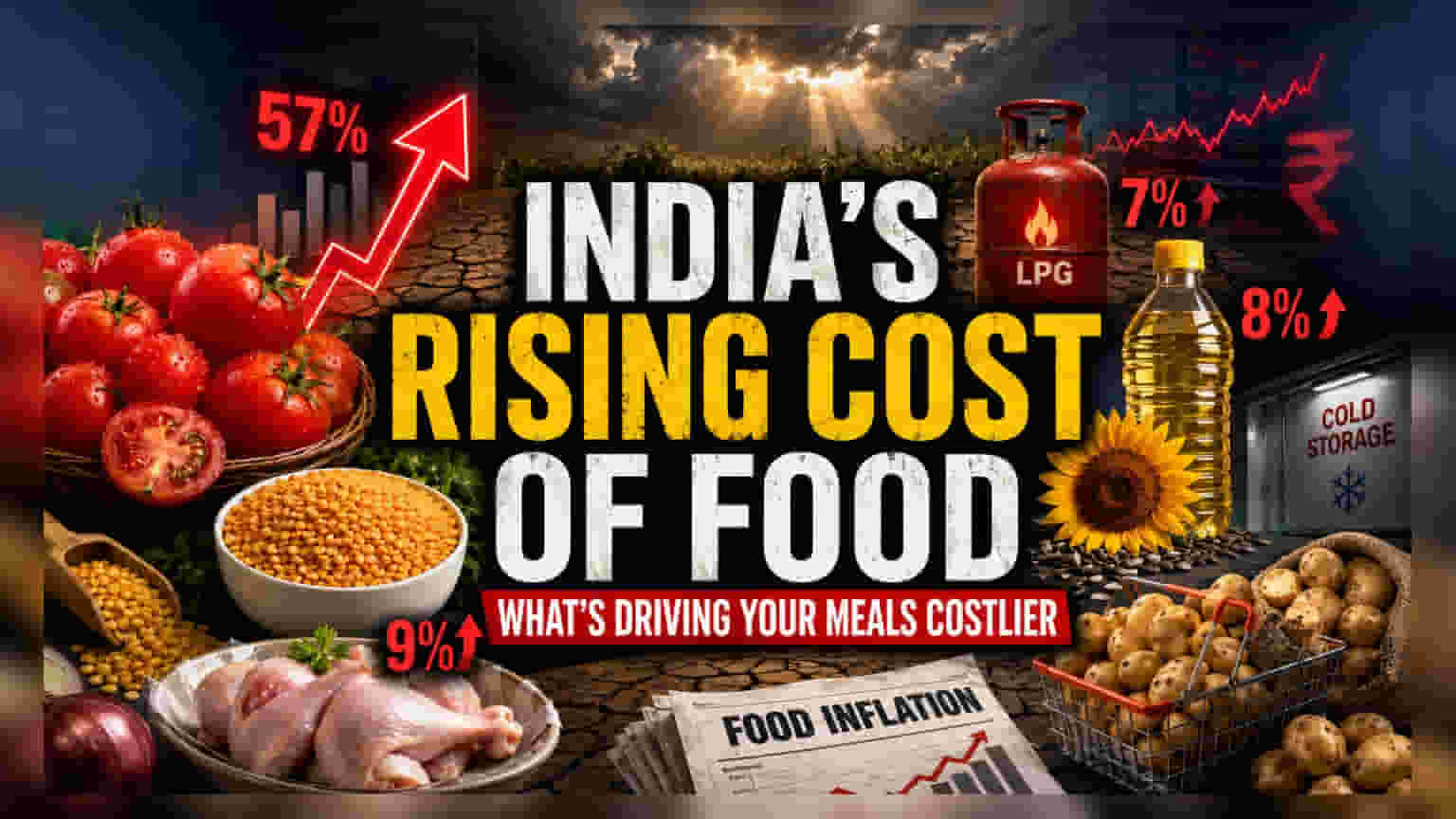


The Anatomy of Price Volatility
The recent uptick in meal preparation costs reflects a structural vulnerability in domestic supply chains rather than a transient blip. While the headline figures highlight a 5% to 7% annual increase, the underlying pressure stems from a confluence of climatic stress and input cost spikes. The 57% surge in tomato pricing represents the most significant catalyst for the current inflationary environment. This is not merely a seasonal occurrence but a symptom of depleted rabi stocks compounded by heat-induced yield losses in southern agricultural zones, which have historically served as a price stabilizer during the summer months.
Dissecting the Poultry Premium
Beyond vegetable-based staples, the protein segment is showing signs of sustained strain. The 9% rise in broiler chicken costs is fundamentally a supply-side crisis triggered by environmental factors. High heat indices across primary poultry-rearing corridors have forced a surge in livestock mortality rates, effectively creating a supply floor that keeps prices elevated. Because poultry constitutes nearly half of the non-vegetarian meal basket, these climate-driven supply contractions exert a disproportionate influence on the overall cost of living, effectively neutralizing the deflationary benefits seen in secondary vegetables like onions and potatoes.
The Macro-Inflationary Feedback Loop
While duty-free imports have provided a temporary buffer for pulses, the broader energy-food nexus remains unstable. The 8% increase in vegetable oils and the 7% uptick in LPG pricing demonstrate that food inflation is being supported by exogenous energy and import costs. This creates a challenging environment for household budgets, as the cost of the cooking medium and the fuel used to prepare the food are rising in lockstep with the ingredients themselves. This correlation suggests that even if specific agricultural commodity prices fluctuate downward, the total cost of food production at the household level will likely remain sticky.
Structural Risks and Forward Outlook
Looking toward the late summer months, the supply outlook remains precarious. The consensus among market analysts points toward an extended period of elevated pricing through August as northern agricultural states grapple with reduced sowing and mounting heat stress. Furthermore, the anticipated depletion of cold-storage potato inventories poses an additional threat to future price stability. As central buffers for key commodities face pressure, the potential for food inflation to bleed into broader consumer indices increases, placing a continued burden on domestic purchasing power without an immediate catalyst for price relief.