

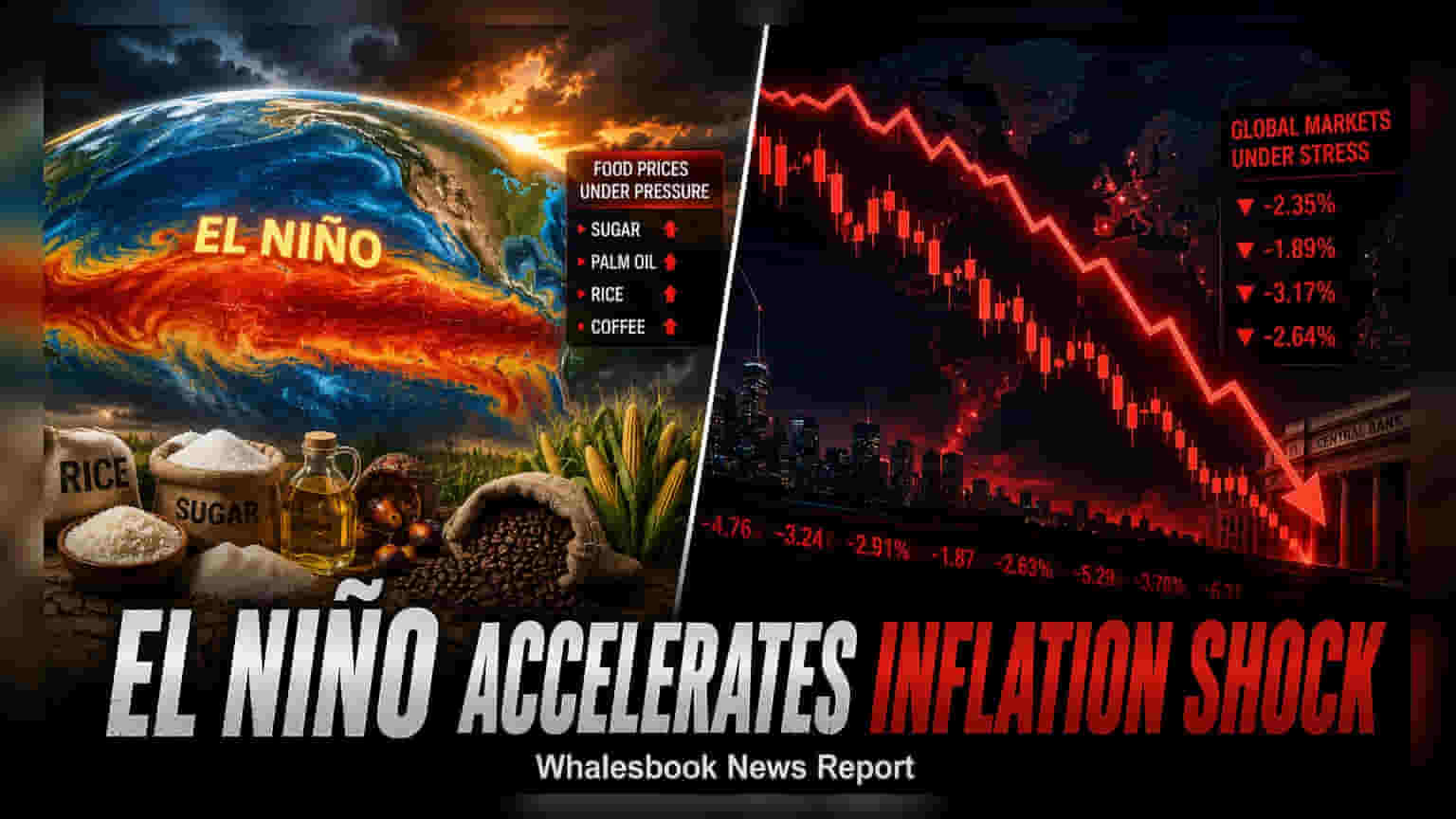
An intensifying El Niño event is raising concerns about a potential spike in food prices over the next 30 to 60 days. This climate pressure could delay expected interest rate cuts by central banks, including the Reserve Bank of India (RBI), as they balance growth against rising inflation. Investors are now monitoring food basket prices and their impact on future monetary policy.
A strengthening El Niño event is emerging as a significant concern for global markets and policymakers as of August 2026. Climate models indicate that an intensifying warming trend in the Pacific could trigger unusual weather patterns, with stress on agricultural production expected to surface within the next 30 to 60 days. This development is raising alarms about a potential surge in food inflation, which could complicate the path forward for central banks.
Impact on Food Prices and Indian Agriculture
The timing of this climate pattern is critical as it coincides with key crop development cycles in major agricultural regions, including India and Southeast Asia. Analysts expect increased volatility in key commodities such as sugar, palm oil, rice, and coffee. For India, where food items carry significant weight in the Consumer Price Index, any meaningful disruption to crop output often translates quickly into higher headline inflation. This pressure is already visible in the volatility of prices for essential food items.
Beyond production, logistics also face potential risks. Drought conditions, often associated with strong El Niño events, can lower water levels in key shipping routes like the Panama Canal. Reduced water levels may force shipping companies to carry lighter loads or face longer transit times, which increases freight costs. These higher shipping expenses eventually add to the final cost of imported goods, creating a ripple effect on consumer prices.
Central Bank Policy and Investor Sentiment
The primary concern for financial markets is how this climate-driven inflation might force central banks to adjust their strategies. Many central banks, including the Reserve Bank of India, have maintained a cautious, data-dependent approach. If food inflation rises faster than expected, policymakers may find it difficult to proceed with anticipated interest rate cuts. A shift toward a longer period of high interest rates, or a return to restrictive measures to curb inflation, could dampen market sentiment.
Energy costs are another factor to watch. In some regions, water scarcity reduces the availability of hydropower, forcing a shift to thermal power generation. This increases electricity costs, which can then filter through to industrial production and household utility bills. If high food prices combine with rising energy costs, the overall inflation environment could become more challenging for policymakers to manage.
What Investors Should Monitor
Investors may keep a close watch on several key indicators in the coming months. First, the trend in domestic food inflation data will be critical for determining the central bank’s next policy steps. Second, developments in the monsoon and agricultural yield reports will clarify the extent of supply pressure on essential crops. Finally, market participants will likely monitor management commentary from companies in the food and FMCG sectors, as they navigate potential raw material price fluctuations and the ability to pass these costs on to consumers without hurting demand.