 Whalesbook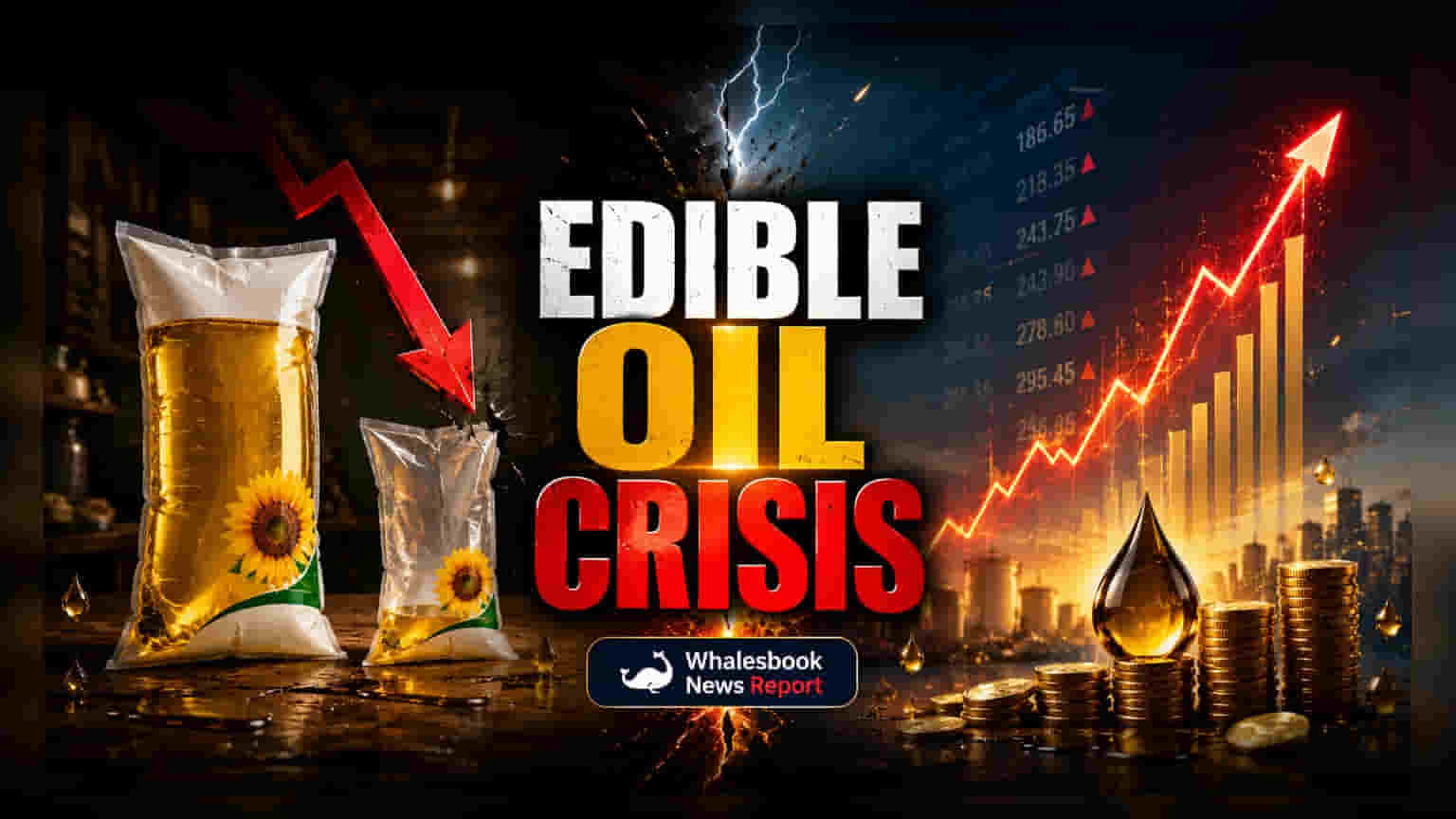


Subtle Squeeze on Consumer Wallets
While headline inflation often focuses on energy prices, edible oils are a critical driver silently impacting households. Companies are increasingly reducing product sizes instead of directly raising per-unit prices. Consumers find familiar one-litre pouches replaced by smaller 750gm, 800gm, 840gm, or 870gm alternatives. This makes direct price comparisons difficult and effectively pushes the per-litre cost to unprecedented peaks, exceeding previous post-COVID highs from mid-2021.
Global Headwinds Drive Up Costs
The current surge in edible oil prices results from several global factors. Reduced output from key producers like Malaysia and Indonesia, due to labor shortages, has tightened supply. At the same time, increased use of oilseeds for biodiesel production to offset rising fuel costs has further limited edible oil availability for consumption. Supply chain disruptions and geopolitical tensions have also significantly raised transportation and logistics expenses. This has led major edible oil exporting nations, including Indonesia, Argentina, Brazil, and the United States, to divert more output toward biodiesel. Benchmark soybean oil prices on CME Group climbed over 21% to 76.50 cents per pound, while crude palm oil prices jumped more than 14% to 4,665 ringgits per tonne.
India's Import Vulnerability and Currency Woes
India relies heavily on edible oil imports, covering 65-70% of its annual consumption, making it vulnerable to global price swings. The rupee's depreciation to a record low below 95 against the dollar, down from about 90.50, has further increased the cost of these essential imports. Beyond the direct cost of oils, higher insurance premiums and other charges add to the financial burden for importers, who then pass these costs onto consumers.
Broader Economic Ramifications
The sustained increase in edible oil prices is expected to push overall food prices higher in the medium term, contributing to broader food inflation. In India's Consumer Price Index (CPI), the 'oils and fats' sub-group, which accounts for 3.56% of the index, saw inflation rise to 7.8% in March from 7.4% the previous month, with further increases anticipated. The edible oil sector has historically faced regulatory oversight concerning packaging, blending, and price discrepancies. The current widespread shrinkflation, combined with record-high effective prices, is likely to attract increased attention from regulators. The edible oil market is highly sensitive to weather patterns affecting crop yields in South America and Southeast Asia, as well as shifts in global energy policies favoring biofuels. Competitors in the food commodity market, such as sugar or wheat producers, are also facing price volatility due to similar climate and geopolitical pressures, indicating a broader inflationary trend for essential food staples.