

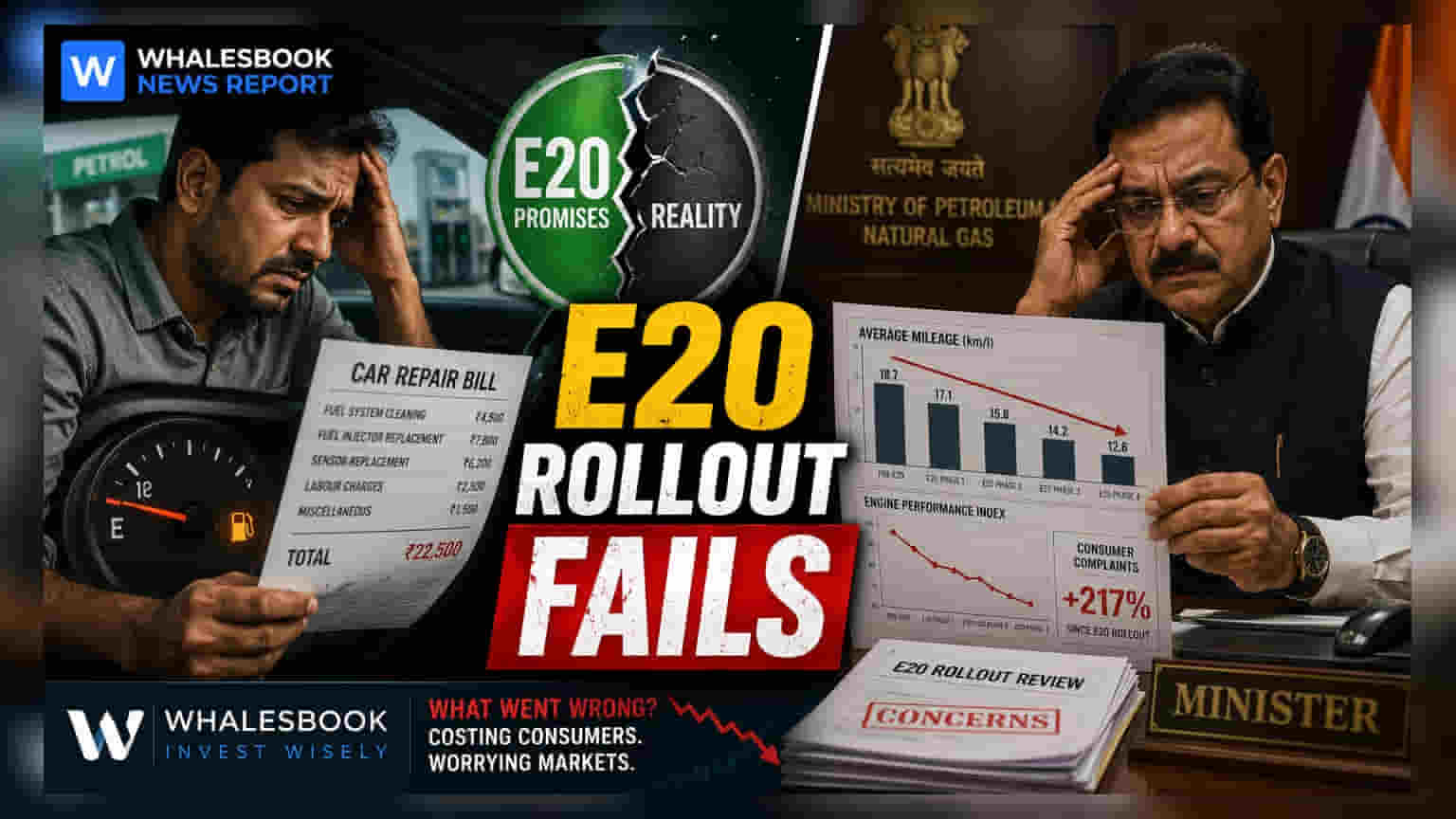
A recent survey shows 53% of petrol vehicle owners are dissatisfied with E20 fuel, citing significant mileage drops and higher repair costs. The issue particularly affects owners of pre-2023 models, who face potential retrofitting expenses. While the government aims to reduce oil imports through ethanol blending, the consumer experience highlights a growing disconnect regarding vehicle performance and maintenance.
The transition to E20 petrol, which contains 20% ethanol, has become a point of contention for many Indian vehicle owners. According to a survey by LocalCircles covering 22,567 respondents across 316 districts, more than half of the participants reported negative experiences with the fuel blend. This feedback points to operational challenges that could influence how consumers manage their vehicle maintenance and fuel choices in the coming years.
The most significant concern raised by consumers involves a decline in fuel efficiency. Approximately 66% of owners with vehicles manufactured before 2023 reported a drop in mileage of more than 10% after switching to the E20 blend. Additionally, 45% of respondents noted an increase in vehicle wear and tear, which has led to higher repair frequency. These findings appear to conflict with government claims that the impact on mileage would be minimal.
Financial Impact on Older Vehicle Owners
For many, the shift to higher ethanol blending is not just a performance issue but a financial one. Retrofitting older vehicles to ensure compatibility with E20 fuel involves estimated costs of around ₹5,000 for two-wheelers and up to ₹10,000 for passenger cars. For households managing older vehicles, these unplanned expenses create a direct burden, potentially impacting their overall vehicle ownership costs. The survey indicated that about 31% of owners would prefer paying a premium for E0 or E10 fuel if it meant avoiding the performance degradation associated with the E20 blend.
While the national ethanol blending roadmap is designed to benefit the economy by increasing income for farmers and reducing India’s dependence on crude oil imports, the consumer feedback suggests that the implementation strategy remains a challenge. The government has already set its sights on further milestones, including the introduction of higher octane E20 fuel (RON 95) starting in April 2026.
Strategic Challenges for Policymakers
The gap between macroeconomic goals and ground-level consumer experience presents a complex situation for policymakers. The government continues to push for higher ethanol blends to meet environmental and energy security targets. However, the survey suggests a clear need for a more balanced approach that considers the longevity and maintenance of legacy vehicles. Investors and stakeholders should monitor how the government addresses these concerns, specifically whether it will ensure the continued availability of E0 or E10 fuel for older vehicles or if future policy will focus on compensating for the performance issues in the current E20 rollout.