

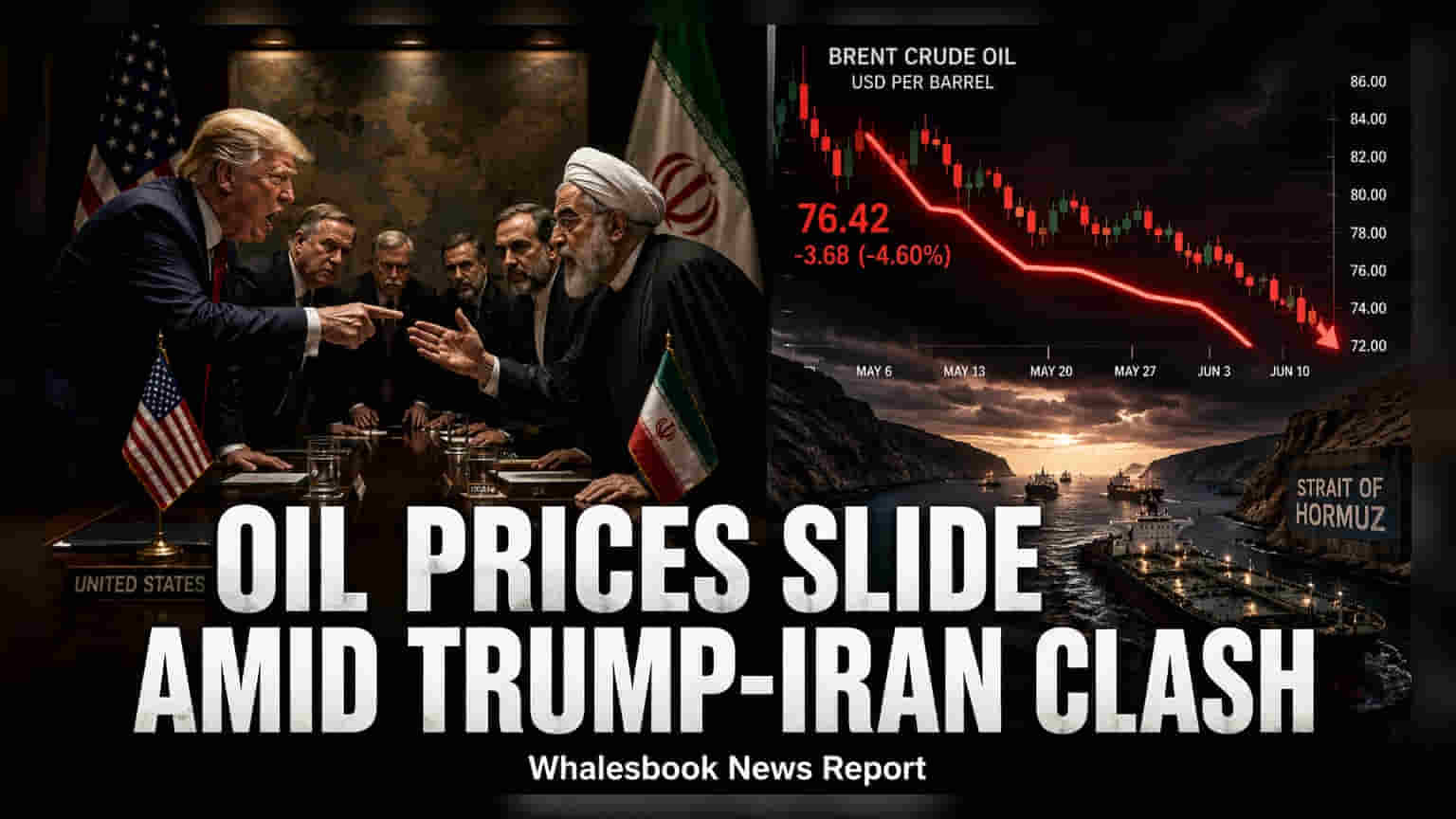
Crude oil prices are experiencing sharp volatility on August 11, 2026, as mutual compensation demands from the US and Iran diminish the likelihood of reopening the Strait of Hormuz. This geopolitical standoff threatens global supply chains and poses risks to India’s economy through potentially higher fuel import costs and currency pressure.
Crude oil prices remain highly sensitive to geopolitical developments on Tuesday, August 11, 2026, following a breakdown in diplomatic hopes regarding the Strait of Hormuz. After a significant rally of approximately 5% on Monday, the market is now navigating a period of volatility as both the United States and Iran have issued mutual demands for financial compensation for war-related damages and casualties.
This exchange of demands has effectively stalled negotiations that were expected to address the closure of the Strait of Hormuz, a critical waterway through which roughly 20% of the world’s daily oil supplies pass. The market had previously priced in a potential easing of tensions, but the current rhetoric suggests that a near-term resolution is unlikely. This shift has forced traders to reassess the risk of prolonged supply disruptions, keeping prices under pressure.
For Indian investors and the broader economy, the situation carries significant implications. India is one of the world's largest importers of crude oil, and any sustained increase in global oil prices directly impacts the country’s import bill. This adds pressure on the Indian Rupee, which has shown signs of weakness against the US Dollar as concerns over energy costs grow. On India's Multi Commodity Exchange (MCX), futures have reflected this global uncertainty, with volatility impacting contract pricing for August and September delivery.
Analysts are currently describing the standoff as a potential war of attrition. The primary concern is not just the immediate supply crunch, but the long-term inflationary impact. Higher crude oil prices act as a cost multiplier across the economy, increasing transportation and logistics expenses while potentially keeping domestic inflation elevated. This creates a challenging environment for policymakers, who must balance economic growth with the impact of imported energy inflation.
Investors are now closely tracking diplomatic updates from both nations. The key monitorable will be whether either side shows any flexibility in their compensation demands, which could act as a signal for the reopening of the Strait. Until a diplomatic breakthrough occurs, the market is likely to remain reactive to any headlines regarding military or political escalation in the region. The persistence of these disruptions serves as a reminder of the fragility of energy supply chains in the current geopolitical climate.