

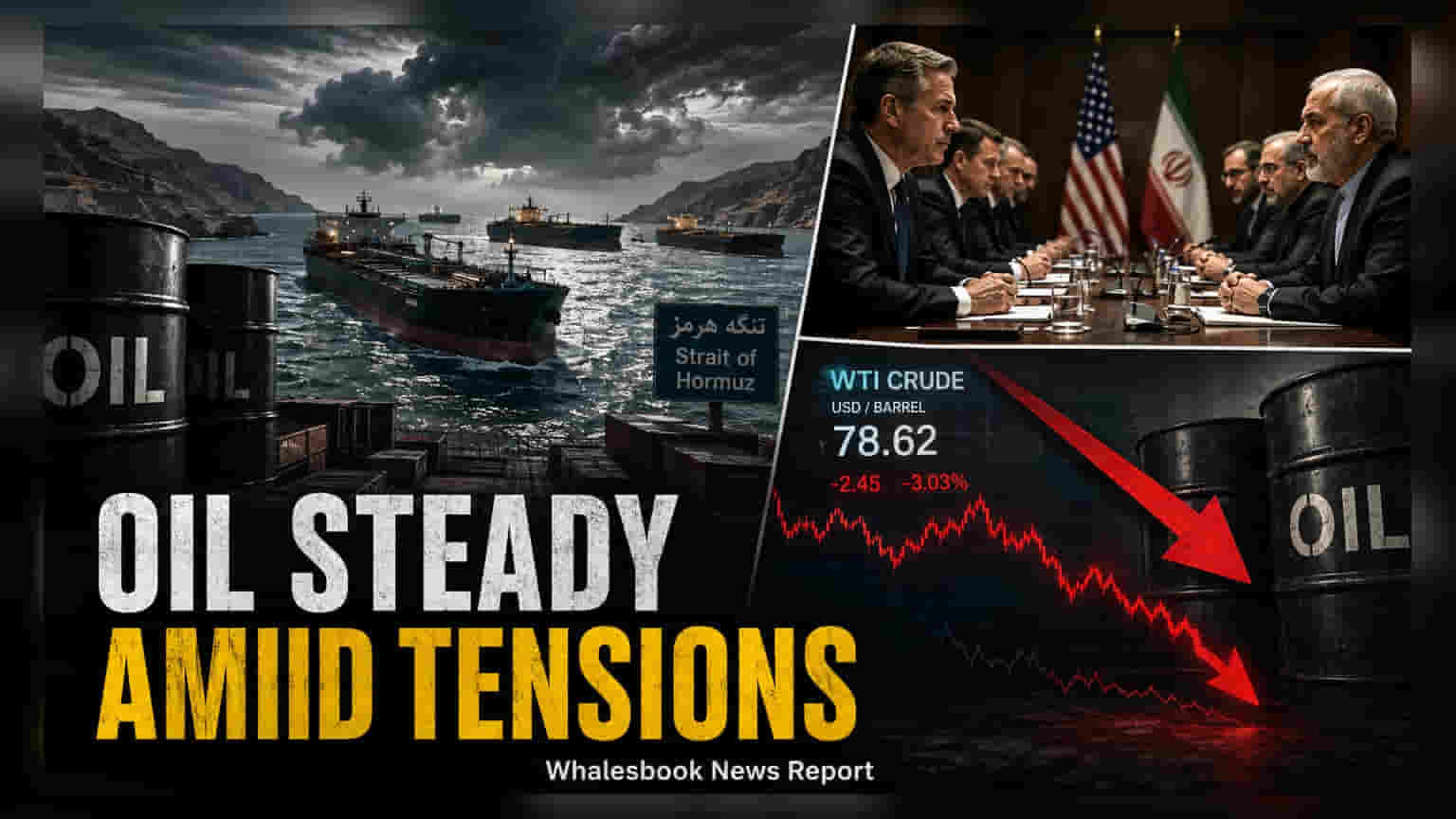
Brent crude holds near $88 as shipping traffic through the critical Strait of Hormuz drops to zero over the weekend. With US-Iran diplomatic talks stalled and a key arrangement expiring, markets face uncertainty. This supply risk is a major factor for Indian investors, as higher energy costs can impact inflation, the rupee, and the margins of domestic oil marketing companies.
Global crude oil prices remained relatively stable in early trading on Monday, even as geopolitical tensions in the Middle East reached a new peak. Brent crude futures were trading at approximately $88.72 a barrel, while West Texas Intermediate (WTI) futures hovered near $82.35. This stability persists despite a sharp and sudden decline in maritime traffic through the Strait of Hormuz, a vital chokepoint for global energy shipments.
Data from the weekend indicates that shipping activity through the region has significantly reduced. Only five commodity vessels transited the strait on Saturday, and zero were recorded on Sunday, a steep drop from the 31 vessels that passed through the preceding weekend. This slowdown follows recent security incidents, including reported attacks on tankers operated by Abu Dhabi National Oil Company (ADNOC), which have heightened concerns over the safety of energy corridors.
The uncertainty is being compounded by a lack of progress on the diplomatic front. Peace negotiations between the United States and Iran remain stalled, with no immediate plans for resumption reported by Iranian officials. Additionally, a temporary diplomatic arrangement between the two nations reached its expiry date on August 17, 2026, leaving the market without a clear framework for de-escalation.
For Indian investors, the situation carries significant economic weight. India is one of the world's largest importers of crude oil, and the country's energy import bill is directly linked to global commodity prices. When crude prices rise or volatility increases, it creates pressure on the Indian rupee and complicates the country's trade deficit.
Furthermore, high oil prices can impact the financial health of domestic oil marketing companies (OMCs). If these companies—such as Indian Oil Corporation, Bharat Petroleum, and Hindustan Petroleum—are unable to fully pass on the increased cost of crude to consumers due to regulatory or political reasons, their profit margins often come under pressure. Market participants also keep a close watch on these global price trends because they are a primary driver of domestic fuel inflation, which influences the central bank's interest rate decisions.
The immediate outlook remains uncertain, as the market balances the risk of physical supply constraints against the current lack of further escalation. The key monitorables for investors in the coming days will be the volume of tankers successfully transiting the Strait of Hormuz and any official statements regarding the security of international shipping lanes or diplomatic progress between Washington and Tehran.