

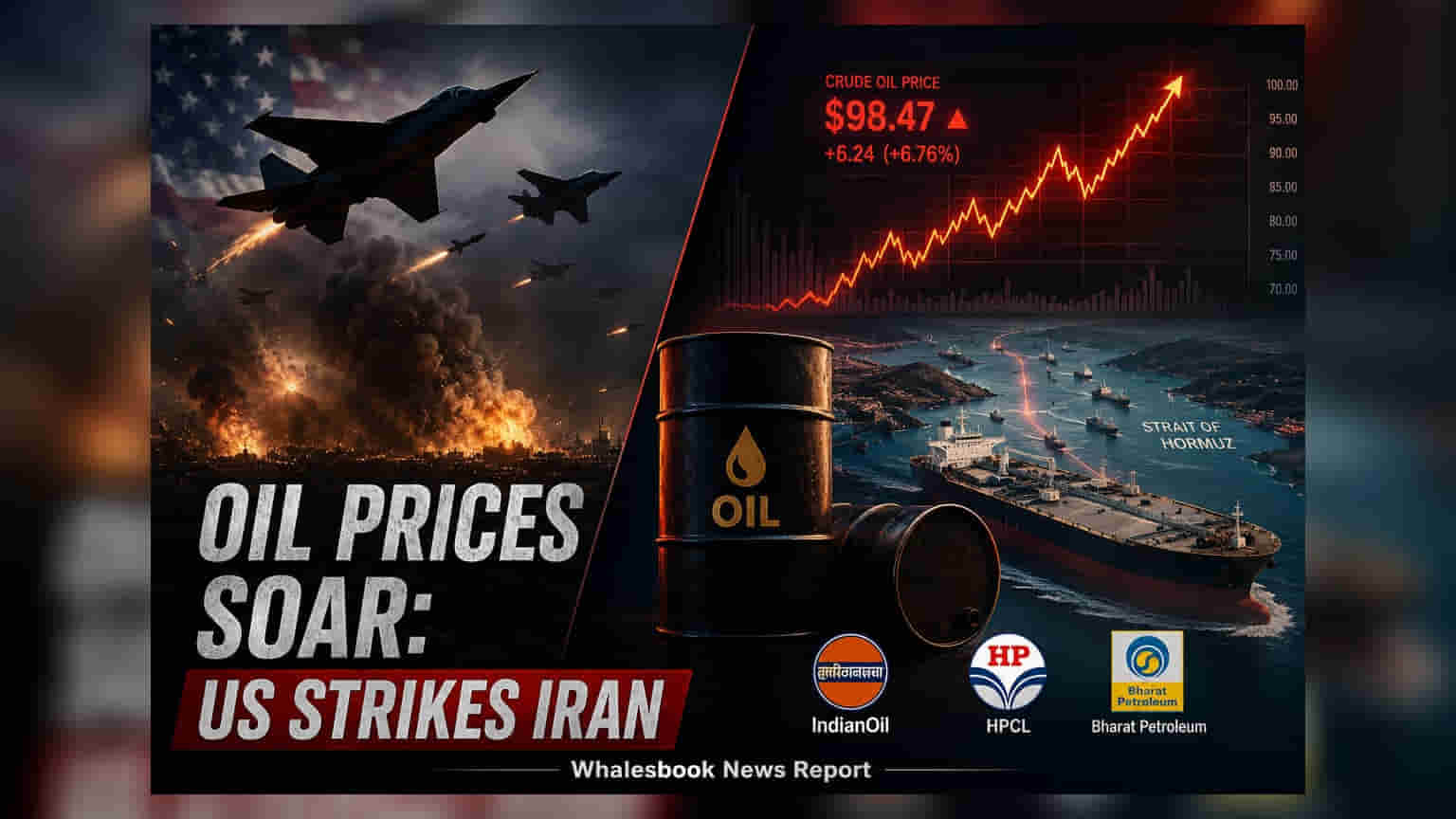
Brent crude climbed to $75.54 and WTI to $71.81 following US airstrikes on Iran and stricter export sanctions. The escalation in the Strait of Hormuz, a key energy shipping route, has reignited concerns over global supply stability. This shift in market sentiment is further supported by a recent decline in US crude inventories.
Global crude oil prices rose nearly 2% on Wednesday, reaching $75.54 per barrel for Brent crude and $71.81 for US West Texas Intermediate (WTI). This movement follows a 3% gain in the previous session, driven by fresh military escalation between the United States and Iran and a tightening of sanctions on Iranian energy exports.
Impact on the Strait of Hormuz
The Strait of Hormuz serves as a critical maritime artery, carrying approximately one-fifth of the world’s energy supplies. The latest US airstrikes, conducted in response to reported attacks on three commercial vessels, have raised significant concerns regarding the security of this transit route. Furthermore, the US decision to revoke a license that previously allowed for Iranian crude sales has intensified pressure on global supply chains. Market participants are monitoring this situation closely, as the Strait is essential for the movement of oil and liquefied natural gas (LNG) from West Asian producers to global markets.
Market Sentiment and Supply Risks
Investor sentiment has shifted rapidly following the collapse of a recent truce between the US and Iran. Previously, oil prices had stabilized as markets anticipated the potential return of additional Iranian crude to the global supply pool. The current military confrontation has invalidated those expectations, forcing a reassessment of supply risks. Adding to the complexity, reports indicate that ships are now altering routes to stay closer to the Iranian coastline, which creates additional logistical challenges and potential delays in energy transport. While Iran has denied involvement in the recent vessel incidents, accusations from other regional players, including Qatar, regarding attacks on tankers have further heightened tensions.
US Inventory Trends
Supporting the rise in oil prices is data regarding US crude inventories, which decreased for the week ended July 3. Industry reports indicate a drawdown of approximately 2.4 million barrels. A reduction in inventories suggests that demand remains firm, which, when combined with geopolitical instability, typically exerts upward pressure on commodity prices. For Indian investors, rising crude oil prices are a critical factor to track as they directly influence the national import bill, domestic fuel pricing, and the operating costs of energy-intensive industries such as transportation, aviation, and chemicals. The primary monitorable for the coming days will be whether shipping operations through the Strait of Hormuz remain functional and if official government data confirms further volatility in global supply levels.