

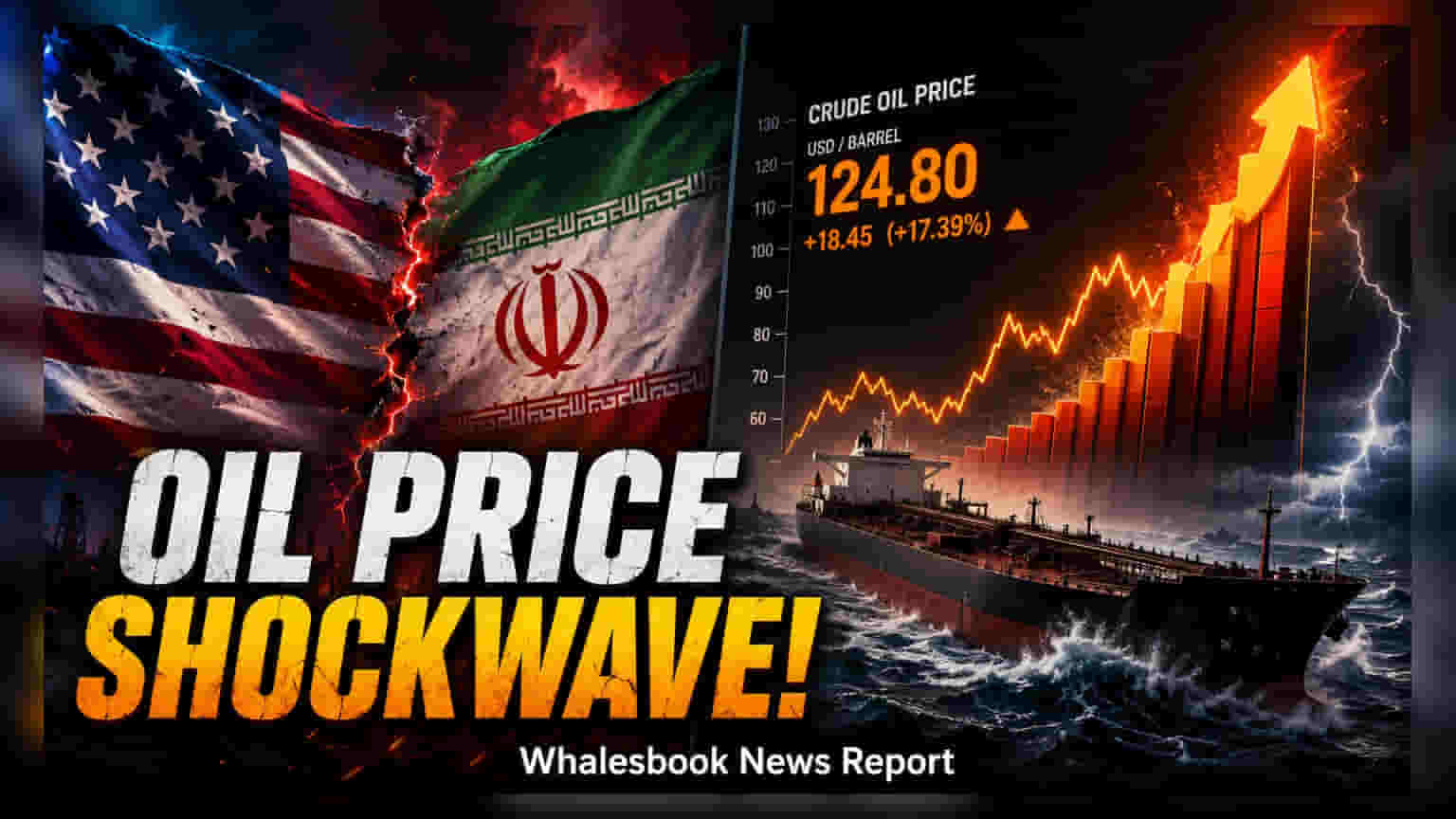
Brent crude is approaching $85 per barrel as geopolitical tensions between the US and Iran heighten risks for global oil transit. This rally, following a period of falling prices, threatens to tighten fuel supplies and push up costs for refiners and consumers. Investors are now tracking potential disruptions at critical shipping lanes like the Strait of Hormuz.
Global crude oil markets are experiencing a sharp upward trend, with Brent crude nearing $85 per barrel and West Texas Intermediate moving above $79 per barrel. This rally is driven by rising geopolitical tensions between the United States and Iran, which have triggered concerns over the safety of critical maritime energy transit routes.
Risks to Key Global Shipping Lanes
The current anxiety centers on the potential for restricted access to major shipping chokepoints, specifically the Strait of Hormuz and the Bab el-Mandeb passage. Nearly one-fifth of the world’s daily oil traffic moves through the Strait of Hormuz. Recent reports suggest that regional groups aligned with Iran may block these routes if energy or electrical infrastructure faces direct strikes. Such disruptions would significantly impact the global flow of crude, as seen by tankers already attempting to mitigate risk through ship-to-ship transfers off the Omani coast.
Impact on Refiners and Fuel Costs
For investors, the most immediate consequence of this supply uncertainty is its effect on refinery operations. While higher crude prices often increase input costs, the current market dynamic has led to record-high profit margins for many refiners in the US and Europe. This is due to a severe shortage of refined products like gasoline and diesel, which are essential for industrial and consumer use. This scarcity is being compounded by supply limitations from other regions, including a recent ban on diesel exports by Russia following damage to its domestic facilities.
Historical and Sector Context
This price surge marks a significant reversal from the second quarter, during which oil prices had declined by approximately 30%. The sudden shift underscores how sensitive energy markets remain to geopolitical events, particularly in the Middle East. For Indian investors, the rise in global crude prices is a significant factor to monitor, as India imports a substantial portion of its oil requirement. Higher crude costs often put pressure on the country's import bill and can influence domestic fuel pricing and inflation expectations.
Investor Monitorables
The next important updates for investors to track include reports on the actual flow of tankers through the Strait of Hormuz and any further announcements regarding export policies from major producing nations. Additionally, investors should watch for the next set of quarterly earnings from oil marketing and refining companies, as these reports will clarify whether the rise in refinery margins can be sustained amid the volatile raw material pricing environment.