

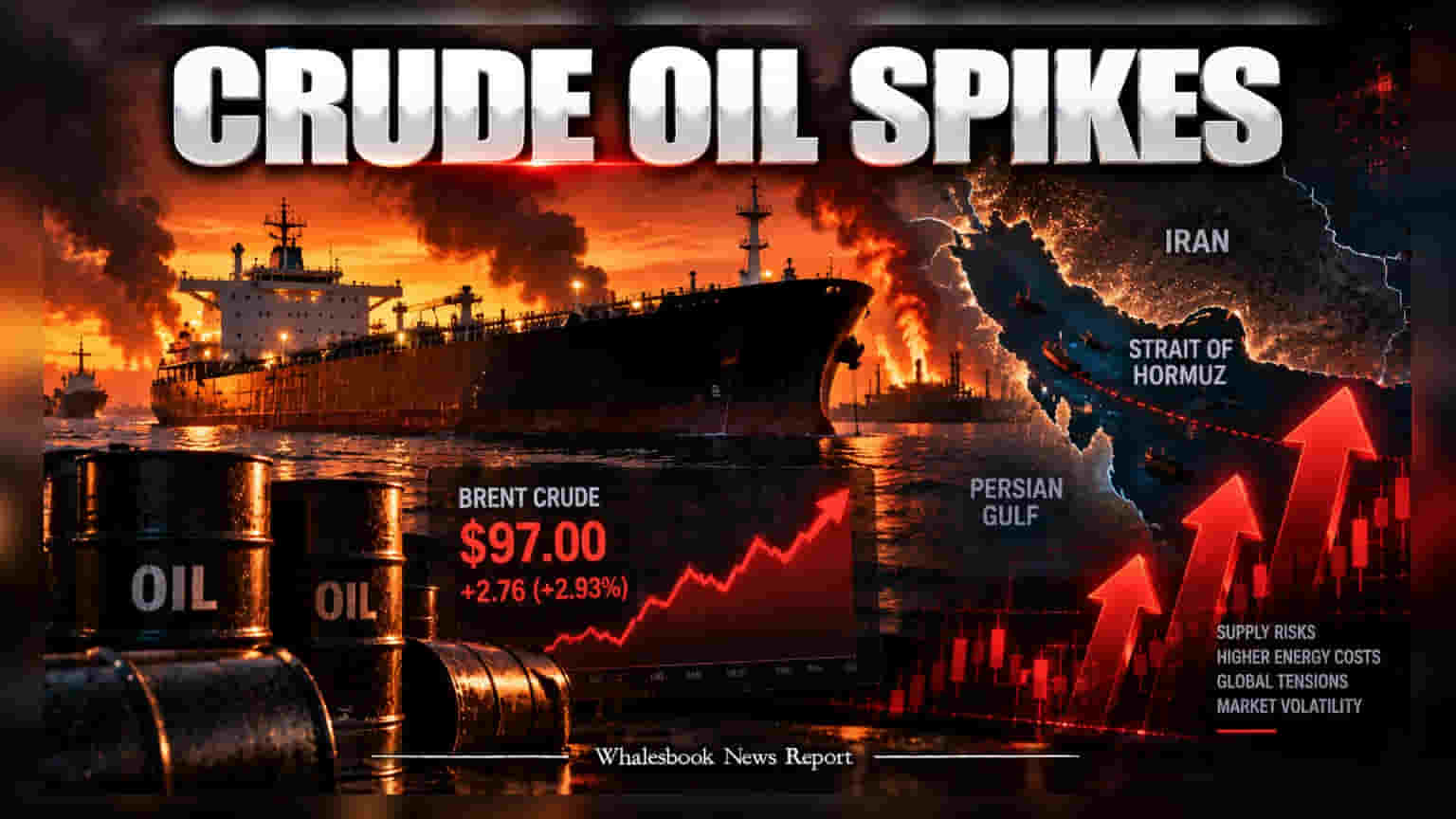
Global crude oil prices have surged toward $97 per barrel as tensions between the U.S. and Iran escalate. Iran’s warnings regarding energy infrastructure, following recent military clashes, have sparked fears of supply chain disruptions. For Indian investors, the primary concern is the potential for higher oil import costs and the impact of these geopolitical risks on domestic fuel inflation.
Global oil prices rallied on Tuesday, with Brent crude futures climbing toward $97 per barrel. This jump follows public warnings from Iranian officials regarding the security of regional energy infrastructure. The threat comes after reported military clashes involving U.S. forces and Iranian oil tankers near Kharg Island over the weekend of September 5-6, 2026. Markets are reacting to the risk of a widening conflict that could impact global energy production and transit.
Critical Risks to Energy Transit
The core worry for the market is the security of the Strait of Hormuz, a critical transit route for a large portion of the world’s oil supply. Iran has suggested it may create a restricted zone in the Gulf, which has raised concerns that shipping lanes could be compromised. If transit through this area is delayed or blocked, the result could be a significant decrease in global oil supply, leading to further price volatility. Analysts are watching whether the threat of damage to refineries and oil terminals materializes, as such actions would place immediate pressure on global energy availability.
Impact on the Indian Economy
For Indian investors, the movement in oil prices is a significant economic factor. India relies heavily on imports to meet its energy needs. When global oil prices rise sharply, the country’s import bill increases, which can put pressure on the Indian Rupee and the government's fiscal position. Sustained high prices often lead to cost increases for fuel, which feeds into broader inflation across the economy.
Investors typically track how Indian Oil Marketing Companies (OMCs) respond to these price swings. If global crude prices remain elevated for an extended period, it may force these companies to either adjust fuel prices or absorb the cost, which can impact their profit margins.
What Investors Should Monitor Next
The market is currently pricing in a high risk premium due to the uncertainty in the Persian Gulf. The main update to watch is any confirmation of the scope of the declared restricted zones or further escalations between U.S. and Iranian naval forces. Any signs of diplomatic cooling or verified reports of safe passage through the Strait of Hormuz could help calm the volatility. Until then, the focus remains on whether the rhetoric translates into physical disruptions of energy supply chains.