

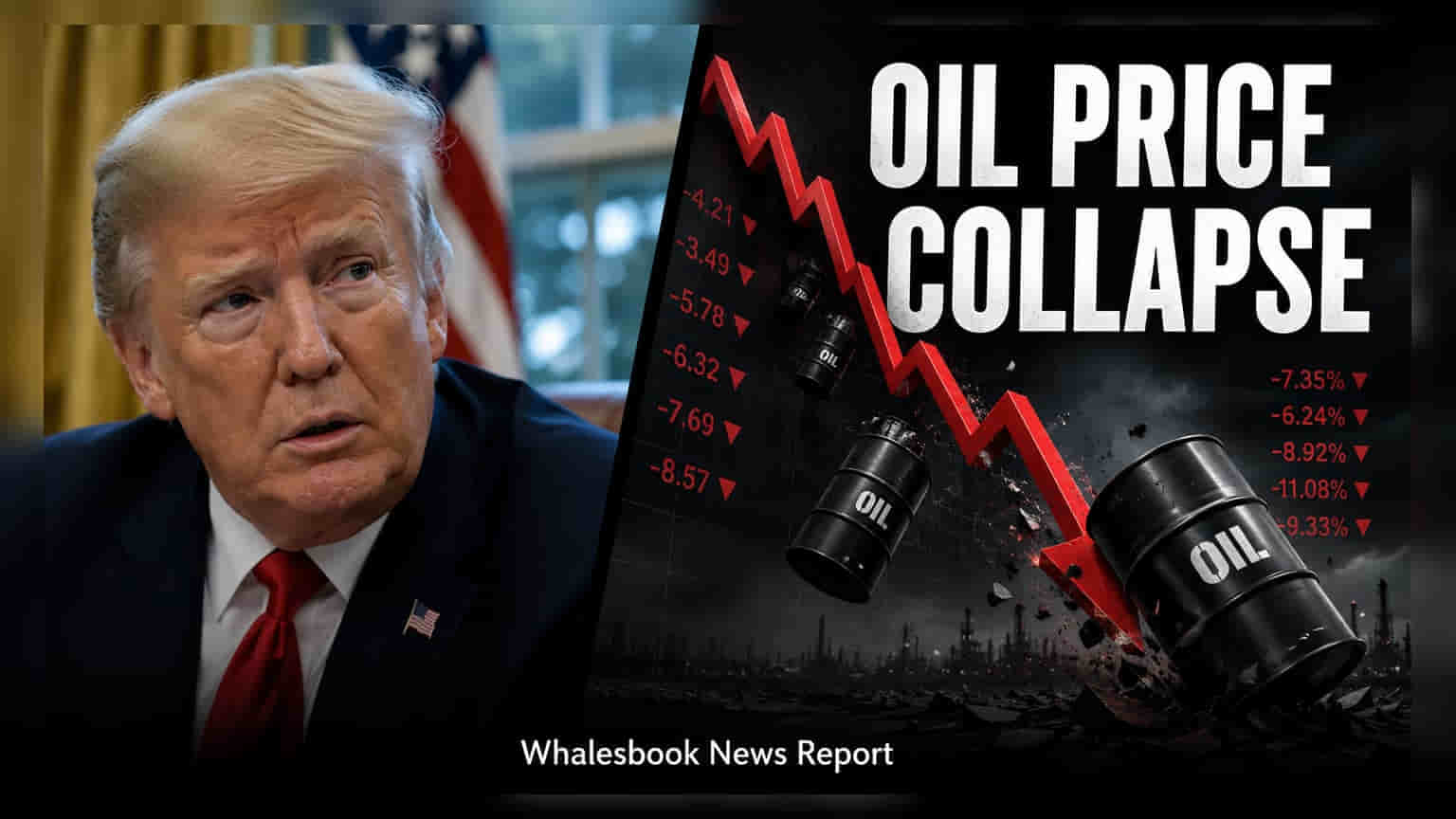
Global crude oil prices dropped more than 5% on Monday following a U.S. decision to pause military action against Iran. The price decline was further accelerated by an official announcement from OPEC+ to increase production by 188,000 barrels per day beginning in September.
Global oil markets faced a sharp sell-off on Monday morning as geopolitical tensions in the Middle East appeared to de-escalate. Brent crude and West Texas Intermediate (WTI) futures both retreated over 5% following a statement from U.S. President Donald Trump, who announced a pause in planned military strikes against Iran. This move, which comes amid calls for potential peace talks, has removed a significant layer of risk premium that had previously pushed oil prices to higher levels.
Impact on Domestic Commodity Markets
The ripple effect of this global decline was immediately visible in India. Crude oil futures for August delivery on the Multi Commodity Exchange (MCX) registered a decline of over 6%. For Indian investors and the broader economy, lower crude oil prices are generally seen as a positive development, as India imports a significant portion of its oil requirements. A sustained reduction in international oil prices can help in moderating the country's import bill and potentially easing inflationary pressure on fuel costs.
Supply Dynamics and OPEC+ Strategy
While the easing of Iran-related tensions acted as the primary driver, the market also reacted to a shift in supply policy from the Organization of the Petroleum Exporting Countries and its allies, known as OPEC+. The group officially confirmed plans to increase production output by 188,000 barrels per day starting this September. This decision aims to balance market dynamics and address previous overproduction levels within the alliance. The combination of reduced geopolitical instability and the anticipation of additional supply hitting the market created strong downward pressure on pricing.
Investors looking at energy-related stocks or commodity derivatives may focus on how these price movements influence the profit margins of downstream companies, such as oil marketing firms and petrochemical producers. While lower crude costs typically support the margins of oil marketing companies, they can also affect the inventory valuation of energy firms. The market will continue to track further updates regarding the proposed peace talks, as any reversal in diplomatic efforts could quickly alter the supply outlook and lead to renewed volatility in global commodity markets.