

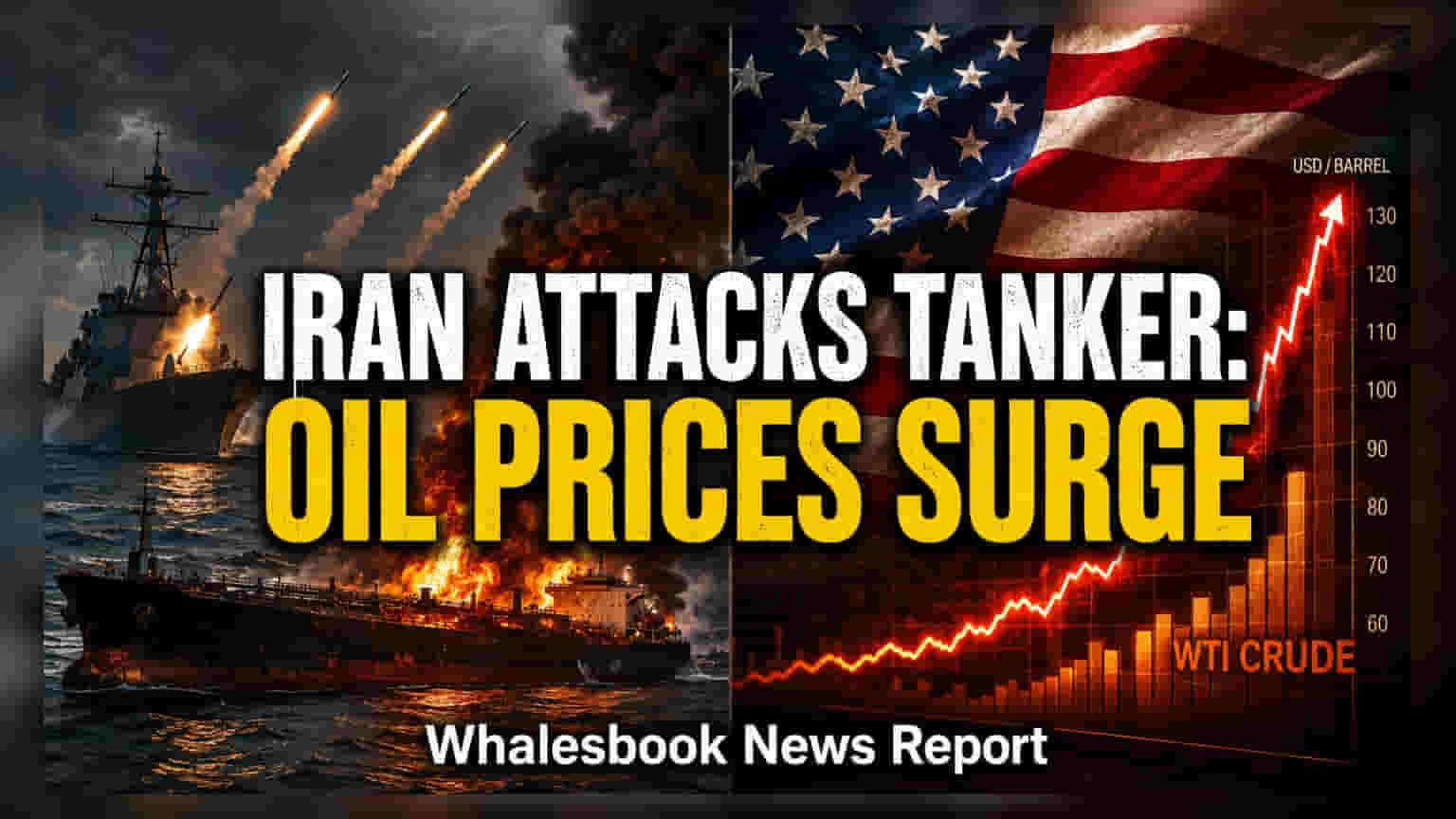
Brent crude prices rose above $88 per barrel after Iran attacked a tanker in the Strait of Hormuz, a key route for global energy trade. The escalation threatens to disrupt oil supply chains, impacting logistics costs and energy-dependent sectors in India. Investors may track potential volatility in oil-linked stocks and inflation metrics following this geopolitical stress.
Detailed Coverage
Global energy markets are reacting to increased tensions in the Middle East following an attack on a tanker in the Strait of Hormuz. As of Tuesday, July 21, 2026, Brent crude prices climbed above $88 per barrel. The Strait of Hormuz is a critical waterway for the global energy sector, as approximately 20% of the world's crude oil and natural gas supplies pass through this narrow passage.
Impact on Energy Logistics and Global Trade
The attack has caused a significant slowdown in shipping activity. Reports indicate that traffic through the strait has dropped sharply, with minimal vessel movement observed over the weekend. For Indian investors, this development is significant because higher crude oil prices often increase the country's import bill. Since India imports a large portion of its oil requirements, sustained price increases can lead to higher inflation, pressure on the Indian rupee, and increased operating costs for oil marketing companies, airlines, and paint manufacturers.
Regional Conflict and Supply Risks
The situation is further complicated by regional instability, including drone and missile activity involving US, Iranian, and Houthi forces. The announcement of a maritime embargo by Houthi rebels in the Bab el-Mandeb strait adds another layer of risk to global shipping. Saudi Arabia has traditionally relied on alternative routes to manage regional risks, but the ongoing confrontation threatens the reliability of these passages. The Pentagon has reported significant casualties among US service members in the region, highlighting the high stakes of the current diplomatic and military standoff.
Monitoring Future Developments
Investors should keep an eye on how these geopolitical tensions affect future oil supply and shipping insurance premiums. While immediate price spikes in commodities are common during such events, the long-term impact on Indian equities will depend on whether this conflict leads to a prolonged supply disruption or is contained through diplomatic efforts. Key monitorables include any updates from major global oil producers regarding supply volumes, the performance of Indian oil and gas stocks, and official inflation data which may reflect the higher energy costs if price levels remain elevated for an extended period.