

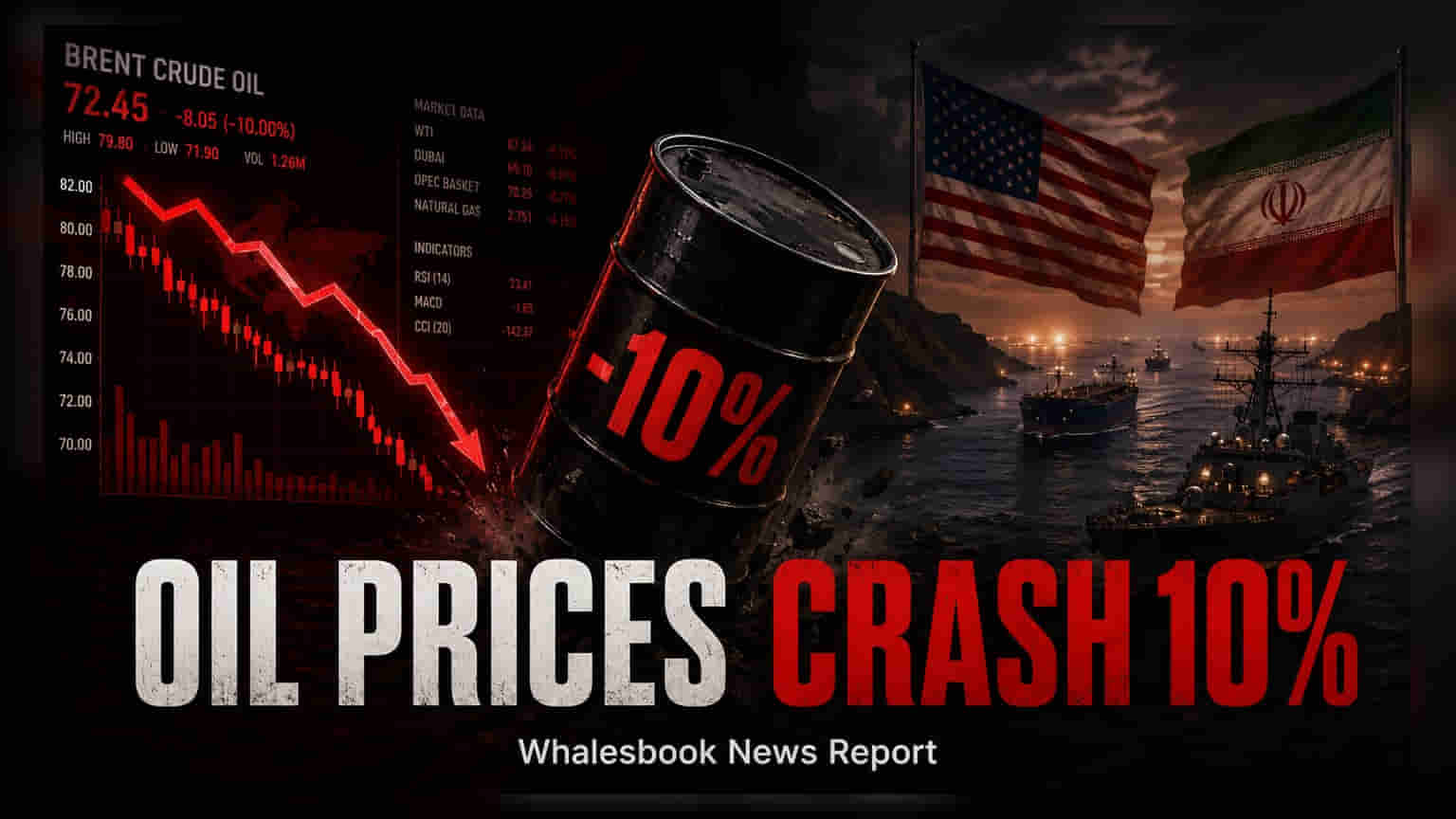
Brent crude prices climbed about 5% on August 10, 2026, as diplomatic efforts to reopen the critical Strait of Hormuz hit a wall. With U.S. President Donald Trump rejecting Iran's terms for a deal, market concerns over energy supply security have intensified. For Indian investors, the rise in crude prices is a key monitorable due to its potential impact on inflation, the rupee, and oil-dependent sectors.
Brent crude prices moved higher on Monday, August 10, 2026, jumping nearly 5% to trade in the range of $87 to $88 per barrel. The move follows reports that diplomatic efforts to reopen the strategic Strait of Hormuz have stalled, dashing market hopes for a quick resolution to the shipping bottleneck.
Optimism regarding a potential agreement had previously kept prices in check, but sentiment shifted sharply after U.S. President Donald Trump publicly rejected the list of conditions presented by Iran for reopening the waterway. Instead of the expected concessions, the U.S. has demanded compensation for historical conflicts and attacks, effectively signaling that the diplomatic impasse is likely to continue for now.
The Strait of Hormuz is one of the world's most important energy chokepoints. Any disruption in this region poses a significant threat to global oil supply chains and can lead to a sharp increase in shipping costs. For Indian investors, crude oil prices serve as a critical macro-economic indicator. Because India imports a significant portion of its crude oil requirements, a sustained rise in prices can increase inflationary pressures, put downward pressure on the Indian rupee, and widen the trade deficit.
From a corporate perspective, persistent high oil prices can negatively impact the profit margins of industries that are heavily reliant on oil derivatives. This includes airline operators, which face higher fuel costs, paint manufacturers, which use oil-based inputs, and oil marketing companies that may face challenges in passing on price hikes to consumers.
The primary risk for the market remains heightened volatility. The current situation highlights a significant geopolitical risk premium, meaning traders are pricing in the possibility of further military escalation or a prolonged closure of the waterway. If diplomatic efforts continue to fail, the uncertainty will likely keep energy prices elevated, forcing investors to closely watch how these input costs affect corporate earnings and government fuel price policies in the coming quarters.
The next important update for the market will be any further diplomatic developments or official statements regarding the status of the shipping routes. Investors will continue to monitor geopolitical news, as any further escalation could disrupt supply chains and push energy costs higher.