

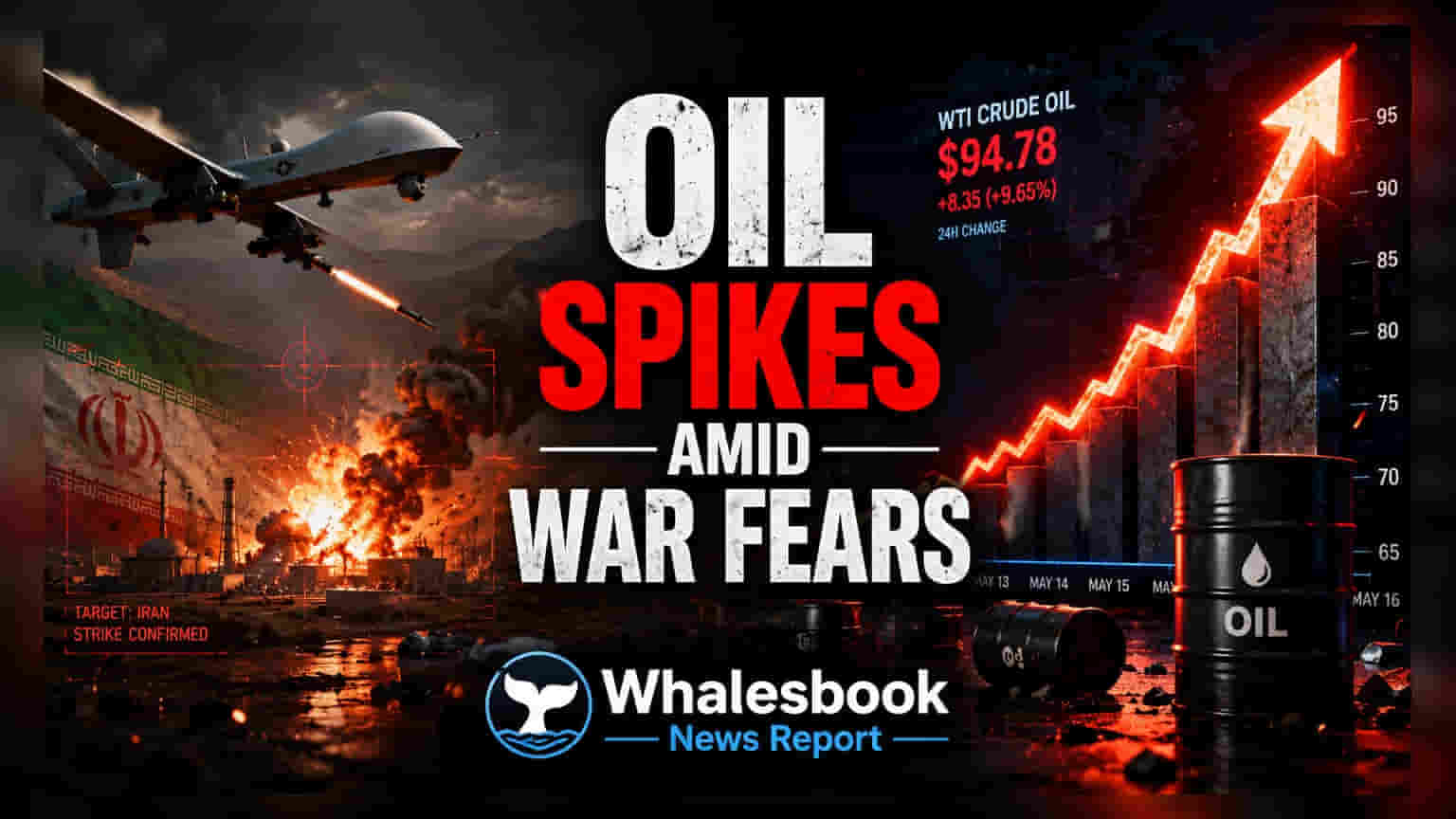
Brent crude futures surged 2.4% to $75.96 per barrel on Wednesday after US military strikes against Iranian forces near the Strait of Hormuz. The escalation in the Middle East has renewed investor fears regarding potential disruptions to global oil supplies. The rise in prices was slightly tempered by a stronger US dollar, which often acts as a counterweight to oil price gains.
Global oil markets witnessed a sharp rally on Wednesday, July 8, as geopolitical friction between the United States and Iran intensified. Brent crude futures rose 2.4% to reach $75.96 per barrel, while West Texas Intermediate (WTI) crude also climbed by 2.6% to hit the same level. The price jump follows a volatile period in energy markets, with oil having recovered nearly 3% in the previous session as concerns regarding the stability of the Middle East grew.
Impact on the Strait of Hormuz
Market focus is centered on the Strait of Hormuz, a critical maritime chokepoint that facilitates a significant portion of global oil exports. The latest rally was ignited by reports of US military action following alleged Iranian strikes on three commercial vessels navigating these waters. The tension was further compounded by reports from maritime security sources that a Saudi-flagged supertanker, the Wedyan, sustained damage off the coast of Oman. For energy investors, these events increase the risk premium on oil, as any obstruction in this region could limit the flow of crude oil to global markets.
Regulatory and Currency Factors
In addition to the military strikes, the United States has moved to reimpose sanctions on Iranian oil exports. US officials characterized the recent maritime incidents as unacceptable, raising the prospect of further geopolitical measures that could impact the supply side of the oil equation. While these factors are providing upward momentum, the price gains are being moderated by a firmer US dollar. The dollar index rose 0.1% to 101.16, which generally makes oil more expensive for importers using other currencies, thereby putting a natural cap on demand and price appreciation.
Investor Monitorables
The primary factor to watch in the coming days will be whether these maritime security risks lead to a sustained supply disruption or if diplomatic channels can de-escalate the situation. Investors in energy and commodity-linked sectors will also track how major oil-producing nations respond to the tightening of sanctions on Iran. Additionally, the ongoing strength of the US dollar will remain a key variable, as any further appreciation could offset the price support currently provided by Middle Eastern tensions.