

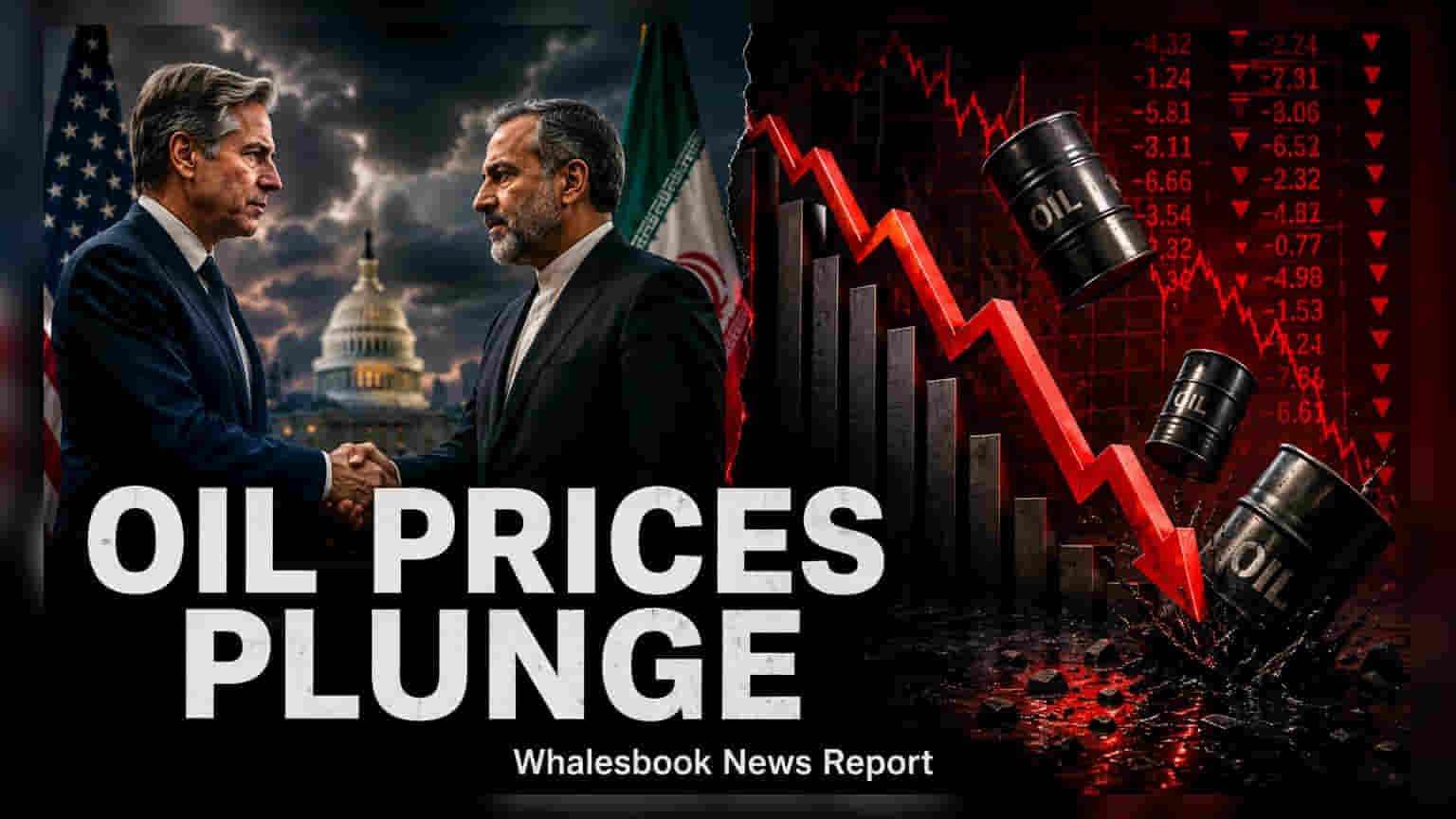
Brent crude fell to $86.89 and WTI dropped to $81.16 on Tuesday after diplomatic progress between the US and Iran reduced supply disruption fears. The decline follows a recent 8% price drop, providing potential relief to oil-importing economies like India. Investors should monitor ongoing geopolitical developments and data on the Strait of Hormuz, which remains a critical route for global energy supplies.
Detailed Coverage
Global oil prices saw a decline on Tuesday, with Brent crude futures sliding 1.66% to $86.89 per barrel and West Texas Intermediate (WTI) falling 1.76% to $81.16. This shift comes after a period of intense volatility that saw prices drop approximately 8% in the previous session. The current downward trend is largely attributed to signs of diplomatic engagement between the United States and Iran, which has lowered market anxiety regarding potential supply chain interruptions in the Middle East.
Infrastructure Resilience and Market Impact
Market sentiment has been further influenced by the resumption of operations at the Caspian Pipeline Consortium’s Black Sea terminal. Loadings had been halted for a week following recent drone activity in the region, and the return to normalcy has eased immediate concerns over energy export capacity. While these developments have cooled prices, analysts continue to keep a close watch on regional security. Recent reports indicate continued drone activity near Saudi Arabian energy facilities and claims of strikes on the kingdom’s East-West Pipeline by Houthi rebels, suggesting that underlying geopolitical risks are far from resolved.
Supply Dynamics Through the Strait of Hormuz
For investors and global energy markets, the Strait of Hormuz remains the most critical monitorable. Data from Barclays shows a significant volatility in exports through this route, with volumes dropping to 2.9 million barrels per day for the week ending July 24, down from 5.9 million barrels per day the prior week. Any sustained disruption in this area would have an immediate impact on global oil availability and price stability. Furthermore, upcoming data regarding US crude oil inventories will be essential for determining whether the current price softening is a temporary reaction or part of a longer-term trend. While crude inventories are expected to show a decline in the latest reports, an increase in distillate stockpiles could indicate changing demand patterns for refined products. These factors, combined with diplomatic outcomes, will dictate energy price movements in the near term.