

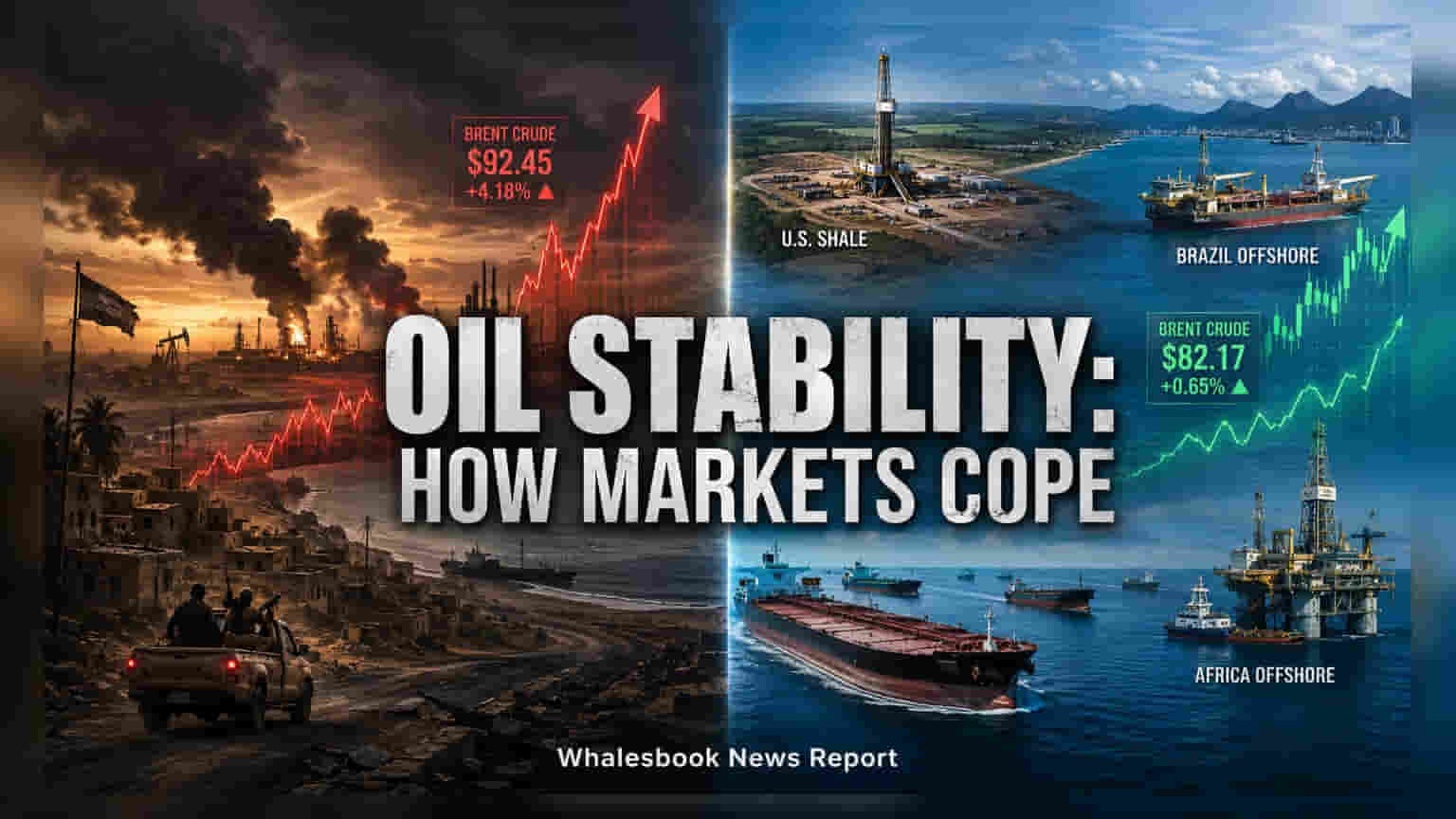
Oil prices have softened to below $80 per barrel on market optimism regarding US-Iran diplomatic efforts. For India, the risk is managed through an expanded network of 41 oil suppliers and secured cargo commitments. Investors are tracking how these geopolitical shifts influence the import costs and profit margins of domestic oil marketing companies.
Global energy markets are seeing a period of stability, with Brent crude prices trading between $78 and $79 per barrel. This price movement reflects market optimism regarding diplomatic efforts to reopen the Strait of Hormuz and reduce tensions in West Asia. While the risk of conflict remains, the market is currently focusing on the potential for de-escalation, which has helped cool down energy prices that had previously reacted to fears of supply disruptions.
India’s Energy Resilience Strategy
For Indian markets, the focus is on energy security. The Indian government and state-run refiners have moved to significantly reduce reliance on any single transit route or supplier. India has successfully expanded its crude oil sourcing network to 41 countries, a notable increase from the 27 countries that previously supplied the nation. This strategic diversification, including imports from regions like the US, Brazil, and Africa, acts as a buffer against regional conflicts in West Asia.
Corporate readiness is also visible. Major entities such as Indian Oil Corporation have confirmed that they have secured crude oil supplies through September 2026. This forward-planning provides a degree of predictability for the company’s refinery operations, ensuring that short-term volatility in the global spot market does not immediately impact their production schedules.
Financial Impact on Oil Marketing Companies
Investors in the energy sector should understand the financial mechanics at play. The profitability of Oil Marketing Companies (OMCs) like Indian Oil, Bharat Petroleum, and Hindustan Petroleum is directly tied to the cost of importing crude. While diversified sourcing helps maintain supply, global price spikes often create a financial strain.
When global crude prices remain elevated, these companies often face "under-recoveries," which means they cannot fully pass on the cost of fuel to consumers. Historically, the government has used tools like excise duty adjustments or direct support to manage this, but such measures affect the overall financial health of these companies. Investors typically watch whether the gap between the cost of crude oil and the retail price of petrol and diesel widens, as this directly hits operating margins.
Critical Risks to Monitor
Despite the current stability, the situation remains fragile. The Strait of Hormuz is a vital global transit point, and any breakdown in the current diplomatic process could quickly reverse market sentiment. Even if physical supply is not interrupted, geopolitical tensions often lead to higher freight costs and increased war-risk insurance premiums for tankers. These logistics costs can raise the landed price of oil for importing countries, regardless of the base price of crude. The key monitorable for the coming months will be the progress of regional diplomatic talks and any changes in shipping insurance premiums, as these factors will dictate the input costs for India's energy sector.