

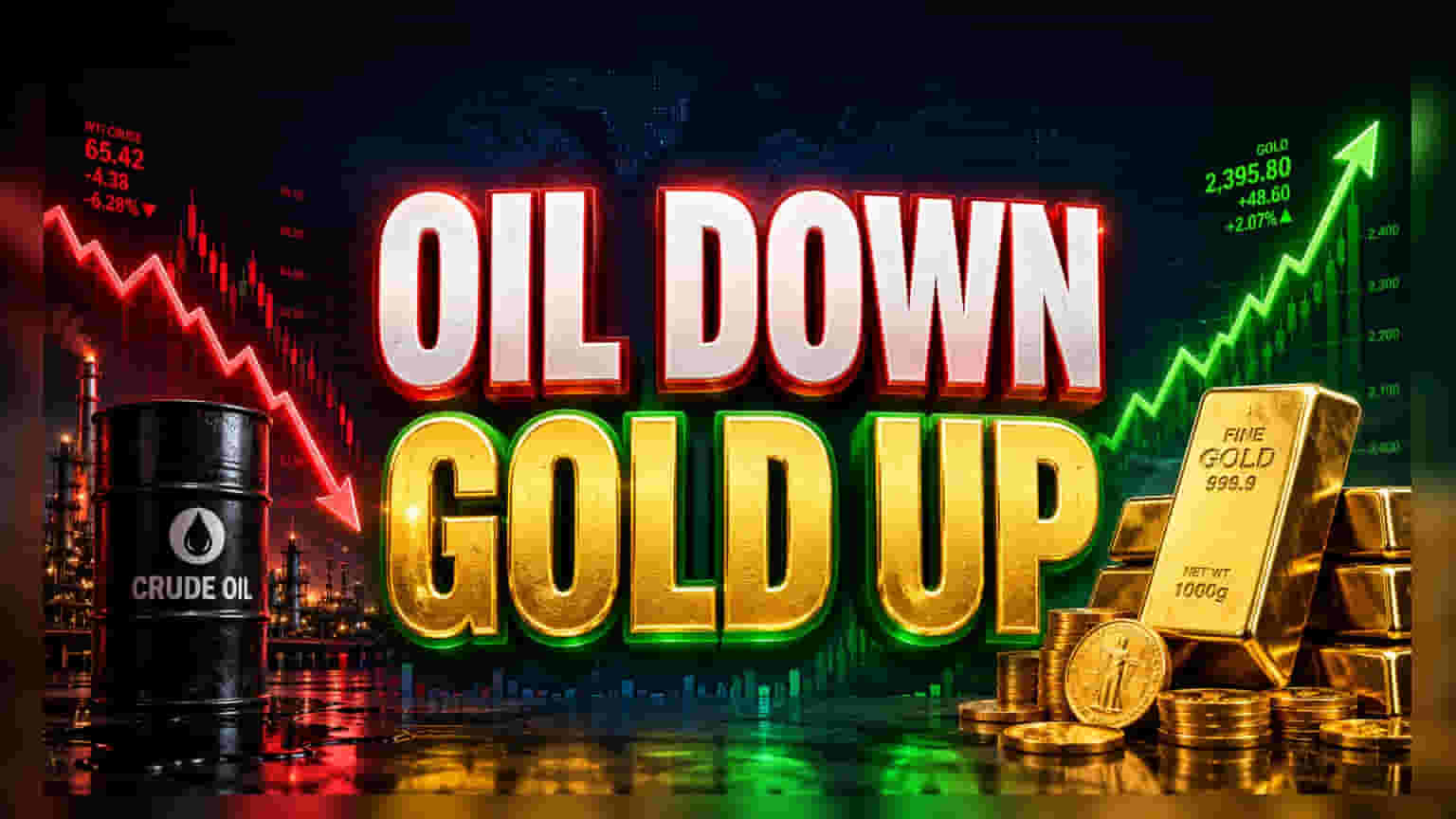
Global commodity prices saw mixed trends on June 22 as Brent crude slid below $80 per barrel following progress in US-Iran peace talks. Conversely, gold prices rose over 1% as inflation concerns softened. These movements highlight the ongoing market volatility driven by geopolitical tensions and US policy uncertainty, impacting global energy and safe-haven assets.
What Happened
Global commodity markets witnessed a day of contrast on June 22. Oil prices retreated as reports of a potential breakthrough in peace negotiations between Washington and Tehran emerged. Brent crude futures slipped under the $80 per barrel level, while West Texas Intermediate (WTI) hovered around $76 a barrel. At the same time, gold markets saw a rebound, with spot prices climbing over 1% to reach $4,209.03 per ounce. This shift indicates that markets are balancing renewed diplomatic hopes against persistent threats issued by US President Donald Trump.
Why This Matters for Indian Investors
For Indian markets, oil price movements are critical. India imports a significant portion of its crude oil requirements, meaning a sustained decline in global prices can potentially ease the country's import bill and help control inflationary pressure. Investors often watch oil prices to gauge the health of Oil Marketing Companies (OMCs) like Indian Oil Corporation, BPCL, and HPCL. Lower crude prices generally support refining margins and reduce the subsidy burden, though the actual impact depends on the government's pricing policy and domestic retail rates. Conversely, upstream players like ONGC and Oil India may face pressure on earnings when global oil prices decline significantly.
The Gold-Inflation Connection
Gold’s recovery to $4,209.03 an ounce comes as concerns over inflation and rising interest rates have eased slightly. When investors worry less about aggressive rate hikes, the opportunity cost of holding non-yielding assets like gold often decreases, making it more attractive. For Indian investors, the movement in gold prices is a key signal for the retail jewelry sector. Rising gold prices can influence consumer demand, often leading to a slowdown in discretionary buying for jewelry retailers, while potentially benefiting companies with large inventory holdings.
Balancing Geopolitics and Policy
The market mood remains fragile because of the conflicting signals coming out of the Middle East. While mediators from Qatar and Pakistan have indicated a roadmap toward a final agreement within 60 days, the situation remains fluid. Any escalation in rhetoric or actual policy shifts can cause rapid swings in energy prices. The US dollar continues to play a significant role here; a firm dollar often makes commodities more expensive for holders of other currencies, which can limit the upside for metals like silver, platinum, and palladium.
What Investors Should Track
The immediate focus for market participants will be the 60-day roadmap for the US-Iran agreement. Investors should monitor whether technical discussions actually progress or if geopolitical threats derail the talks. For oil-dependent stocks in India, tracking the stability of crude prices above or below key psychological levels will be essential. Additionally, any major shift in the US Federal Reserve's interest rate stance or the strength of the US dollar will likely dictate the next direction for precious metals like gold and silver.