

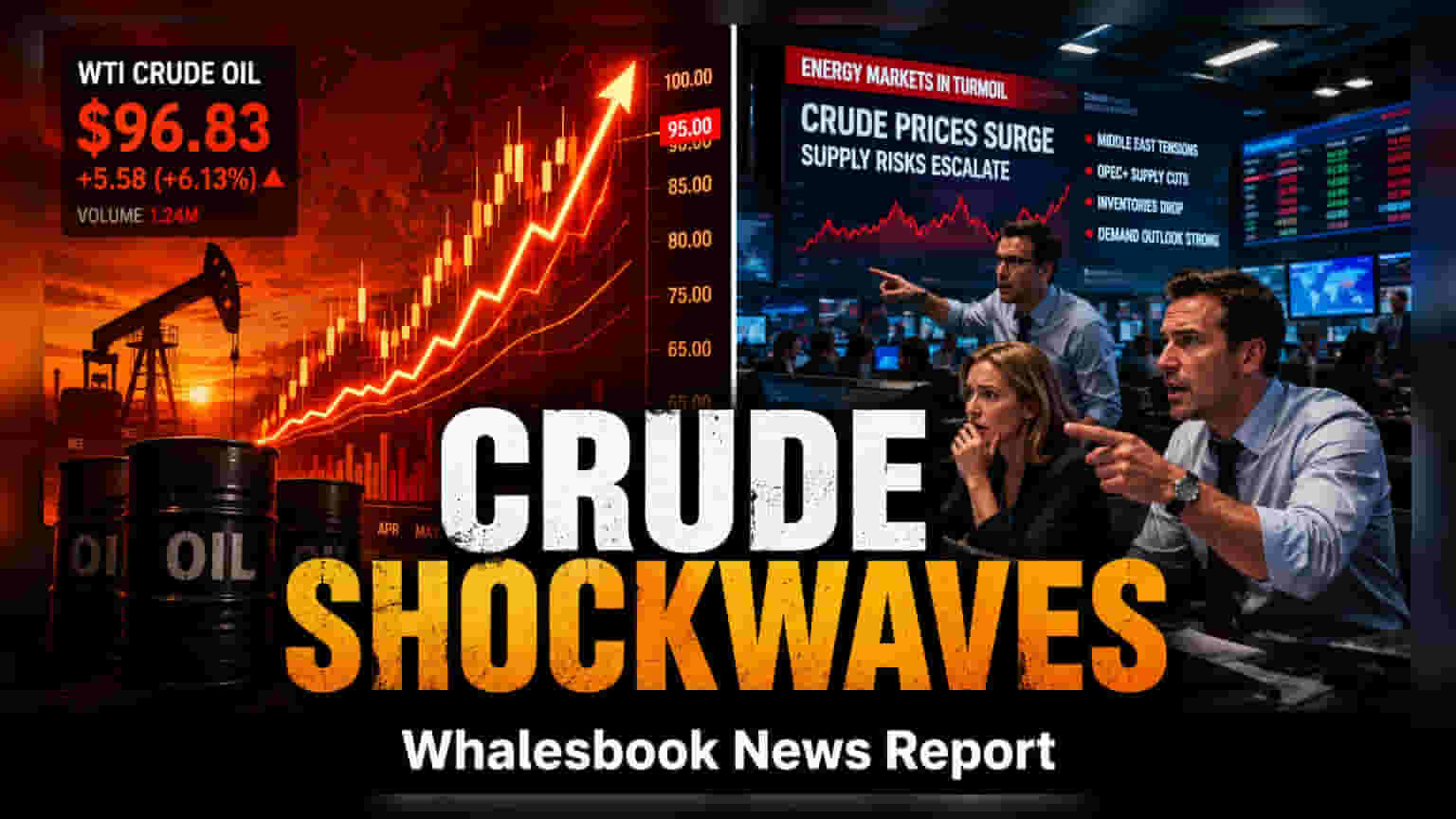
Brent crude prices rose over 4% to $87.50 per barrel following renewed regional hostilities. This energy price jump is pressuring bond markets as investors brace for the upcoming US Federal Reserve policy decision. The global market shift highlights a move away from technology stocks toward cyclical sectors as inflation concerns return.
Global financial markets are recalibrating as Brent crude oil prices surged more than 4%, moving back above $87.50 per barrel. This jump follows a volatile period in energy markets, as renewed hostilities in the Middle East have reignited concerns regarding the stability of global oil supplies. The Strait of Hormuz, a critical chokepoint for energy shipments, remains the primary focus for analysts tracking potential supply chain disruptions.
Inflation Concerns and Bond Market Impact
The spike in energy costs has immediately pressured government debt markets. The yield on the benchmark 10-year US Treasury note rose to 4.62% as traders adjust their expectations for future inflation. Higher energy costs often act as a tax on economic growth and can keep inflation elevated, complicating the path for central banks. Investors are currently awaiting the US Federal Reserve’s policy announcement on Wednesday, which will be a key indicator of how authorities plan to balance cooling inflation against geopolitical uncertainty.
Shift in Stock Market Sentiment
While oil prices rose, equity markets displayed varied movement. Asian indices showed some recovery, with South Korea’s Kospi index rising 1.2%. However, the underlying sentiment in the technology sector remains fragile. Investors have been moving capital out of high-growth chipmakers, which had recently faced a significant selloff. This rotation suggests a move toward sectors that track broader economic cycles more closely, reflecting caution toward tech stocks that were heavily reliant on massive artificial intelligence capital spending.
Earnings Reality for Technology Firms
The skepticism in the tech sector was underscored by the recent performance of chipmaker SK Hynix. Despite reporting a substantial 557% increase in quarterly profit, the company’s stock saw volatile trading as its financial results fell short of high investor expectations. This gap between growth and market anticipation is causing many to re-examine the returns on aggressive investments in artificial intelligence infrastructure.
As the market digests these developments, the next major monitorable will be the commentary from the Federal Reserve regarding the economic impact of these geopolitical tensions. Investors will also be tracking whether energy prices remain elevated, as sustained high costs at $87 per barrel could place additional pressure on profit margins across energy-intensive sectors like transportation and manufacturing.