

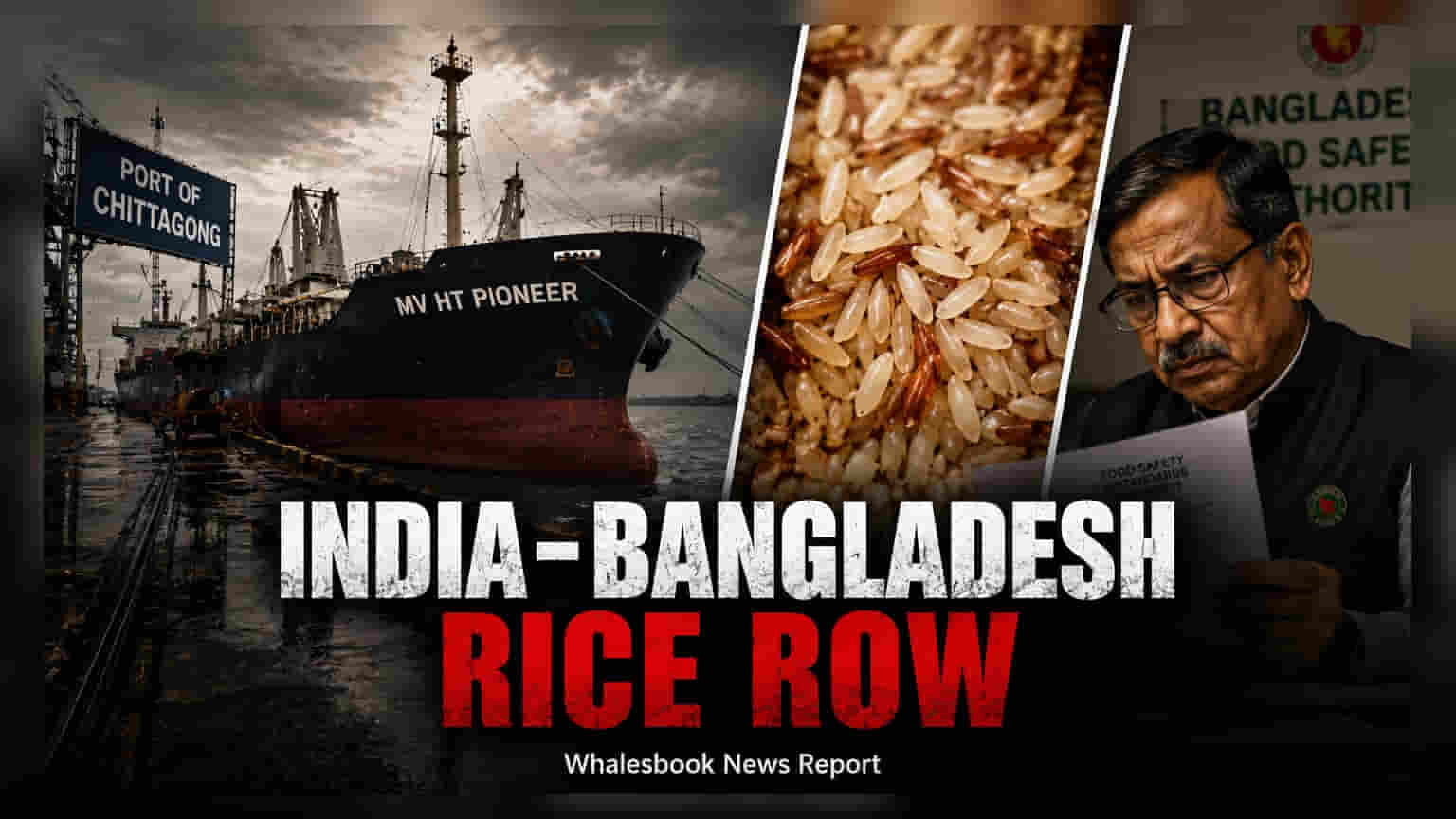
Bangladesh has blocked an 11,500-tonne consignment of Indian non-basmati rice at Chittagong port, citing quality concerns despite prior certification. The government-to-government shipment is now slated for return, marking a potential setback for Indian rice exporters who have seen volumes rise significantly in the current fiscal year.
A shipment of 11,500 tonnes of Indian non-basmati parboiled rice has faced rejection at Bangladesh's Chittagong port, creating a logistical and trade challenge for the involved stakeholders. While the consignment was initially certified as meeting standards, local officials subsequently declared the rice unfit for consumption after partial unloading at various storage depots.
Conflict Over Cargo Quality
The shipment arrived on the vessel 'MV HT Pioneer' on July 21, 2026. Following initial clearance and the offloading of approximately 3,500 tonnes to facilities in locations including Tejgaon and Halishahar, officials raised concerns regarding the grain's quality by July 25. The shipping agent has contested these findings, characterizing the rice as merely having a reddish hue rather than being substandard. Current reports indicate that the remaining cargo was barred from offloading and the full shipment is expected to be returned to India.
Impact on India-Bangladesh Rice Trade
This incident occurs against a backdrop of increasing trade volumes between the two nations. In the 2025-26 financial year, India exported 1.36 million tonnes of non-basmati rice to Bangladesh, valued at $545 million, compared to 0.809 million tonnes worth $359 million in 2024-25. In the first quarter of the 2026-27 fiscal year alone, India shipped 0.16 million tonnes of rice worth $8.19 million to the neighboring country.
For investors and companies involved in the agricultural export sector, this development highlights the complexities of government-to-government trade agreements. While India has been a primary supplier, the sudden reversal of acceptance for a G2G-tendered shipment introduces uncertainty regarding future export stability. Market watchers may monitor whether this rejection leads to tighter scrutiny of export quality protocols or if it remains an isolated incident.
Risks and Market Monitorables
The primary concern for the trade is the potential for increased costs related to the return of the vessel and the disposal of the rejected goods. Industry observers are looking into whether internal bureaucratic dynamics within the Bangladesh Food Department or shifting regional trade politics are contributing to this rejection. Moving forward, the key factor for investors to track will be any official statements from both governments regarding the specific quality standards applied and whether this incident signals a broader cooling in demand for Indian rice imports in the coming quarters.