

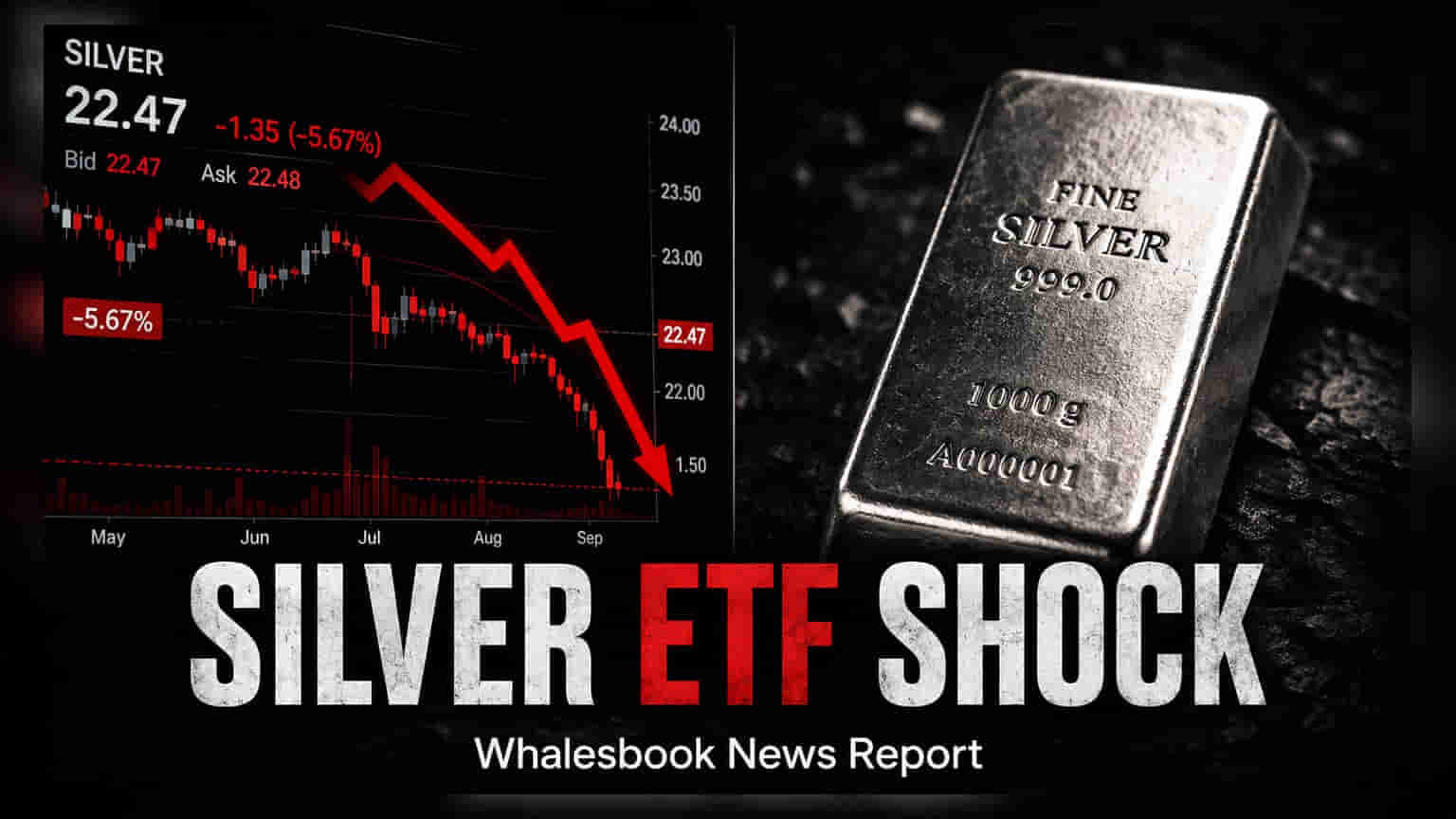
Axis Silver ETF has emerged as the best-performing fund in its category over the past three months, despite recording a negative return of 9.1%. This ranking highlights the volatility currently affecting the silver commodity market, where even the top-ranked funds are seeing short-term losses. Investors should evaluate these funds based on their long-term track records rather than brief periods.
Axis Silver ETF has emerged as the top performer in its category over the past three months, according to data from August 3, 2026. Despite this leadership position, the fund recorded a return of -9.1%, reflecting the challenging environment for silver-based investments recently. This performance highlights the broader volatility impacting the silver market, where even the most successful funds have struggled to post positive returns in the short term.
Competition and Fund Size
The performance gap between top funds is narrow. Competitors such as the Aditya Birla SL Silver ETF and Kotak Silver ETF also registered returns of -9.1% during the same three-month window. Meanwhile, the ICICI Pru Silver ETF, which maintains the largest corpus among the top five schemes with assets under management of Rs 13,863.7 crore, saw a slightly lower return of -9.2%. For investors, these figures illustrate that returns across major silver funds are currently moving in sync, largely driven by the underlying movement in silver prices rather than fund management strategies.
Long-Term Performance vs Short-Term Volatility
It is important for investors to distinguish between short-term market noise and long-term fund performance. While the recent three-month and six-month returns for these ETFs have been negative—with Axis Silver ETF showing a -17.6% return over the last six months—the picture is different over longer durations. Axis Silver ETF has historically demonstrated a strong ability to outperform its benchmark. On a one-year basis, the fund outperformed its benchmark by 95.0 percentage points, while its three-year performance surpassed the benchmark by 42.6 percentage points.
Understanding the Risks
Investing in silver ETFs involves inherent risks linked to global commodity prices, which can fluctuate rapidly. Because these funds directly track the price of silver, they are highly sensitive to market shifts. The negative returns across the sector over the last quarter serve as a reminder of this volatility. When selecting an ETF, the size of the assets managed and the fund's historical ability to track its benchmark over several years are often more relevant metrics than the returns of a single quarter. Investors tracking these funds should look beyond the current short-term dips and focus on how the fund performs across complete market cycles.