

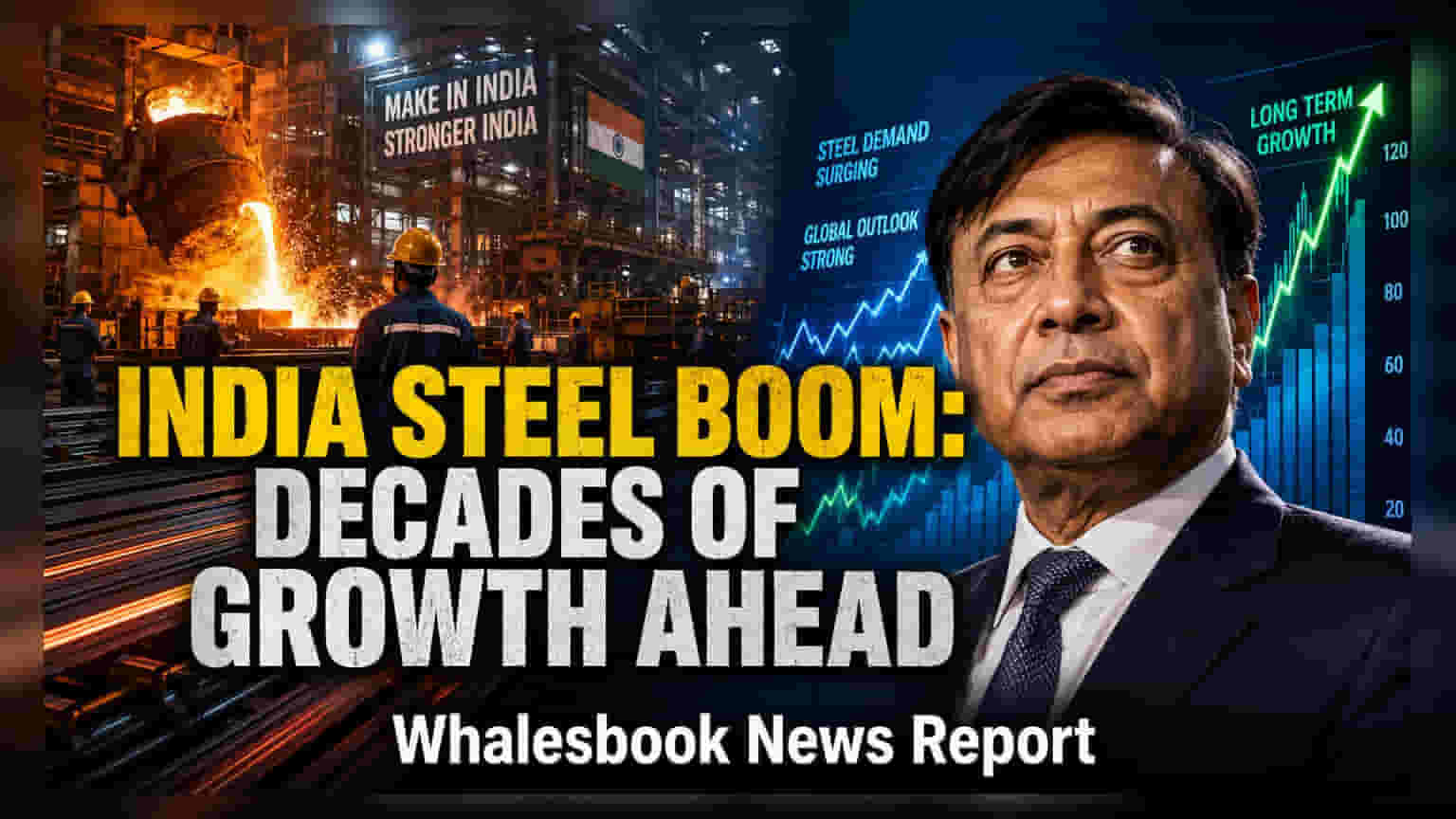
ArcelorMittal is doubling its 8-million-tonne steel capacity in Gujarat, targeting long-term growth in the Indian market. The company aims to compete with global steelmakers while focusing on high-value products and digital manufacturing. Investors should monitor how this capital-intensive expansion affects debt levels and whether domestic steel demand keeps pace with new supply.
ArcelorMittal has confirmed plans to double the capacity of its coastal steel facility in Gujarat, as the global steel giant shifts its strategic focus toward India. Executive Chairman Lakshmi Mittal recently noted that India’s current steel market growth mirrors the trajectory seen in China 25 years ago, suggesting a long-term demand runway spanning several decades. This expansion is designed to turn the Gujarat plant into a highly advanced, competitive facility in the global steel landscape.
Strategic Focus on High-Value Steel
Beyond increasing production volume, the company is prioritizing innovation to differentiate its offerings. ArcelorMittal invests roughly $300 million annually into research and development, maintaining a global team of over 2,300 scientists. The goal is to move toward higher-value products specifically for the automotive, renewable energy, and electrical steel industries. This focus on specialized products is intended to help the company secure better profit margins compared to generic steel production.
Competitive Challenges and Regulatory Outlook
As the company expands, it faces significant pressure from the global steel sector, particularly regarding low-cost imports from China. Lakshmi Mittal emphasized that the company is actively engaging with government bodies and regulators to ensure a level playing field. For investors, the ability of domestic manufacturers to navigate import competition remains a critical factor, as excessive dumping can depress local prices and hurt profitability. The company’s success in India will depend not only on its technical capacity but also on its ability to maintain pricing power in a market sensitive to global supply fluctuations.
Digitalization and Future Execution
The company is also betting on digital transformation, including the use of robotics and artificial intelligence, to refine its manufacturing efficiency. Management stated that the firm must fully digitalize its core operations before it can realize the full benefits of AI-driven production. While these investments in technology are intended to improve long-term margins, they represent a significant commitment of capital. Investors should track the execution timeline of the Gujarat expansion and monitor how these massive investments affect the company’s cash flow and debt obligations over the next few years. As the project advances, the main focus will be on whether the actual demand in India’s infrastructure and manufacturing sectors justifies this aggressive increase in capacity.