 Whalesbook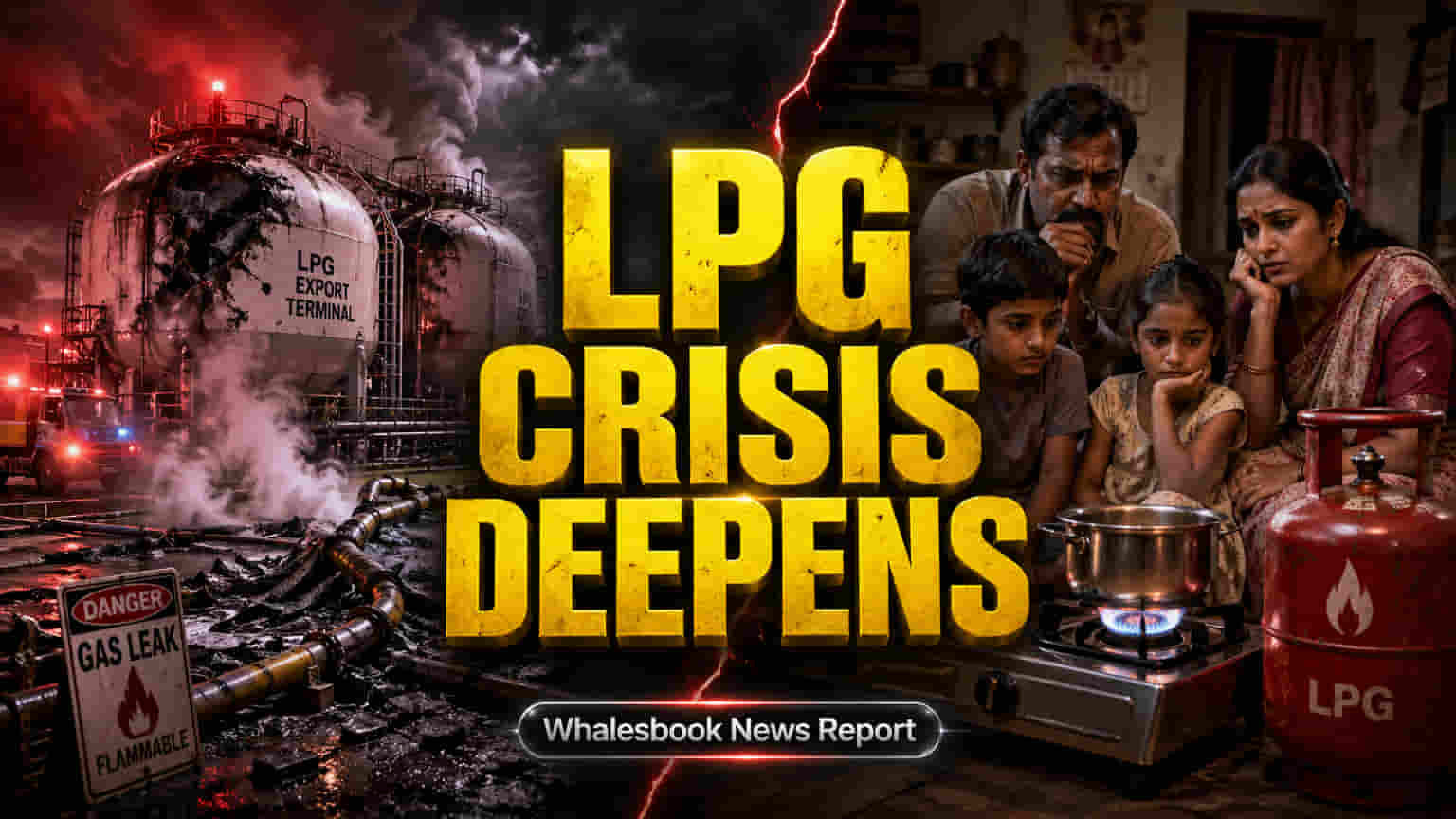


Saudi Aramco's decision to extend its liquefied petroleum gas (LPG) shipment suspension through May signals complex and potentially lengthy repairs needed at its Juaymah export terminal. This operational challenge comes as escalating geopolitical tensions in the Middle East severely disrupt vital shipping lanes, including the Strait of Hormuz, posing a broad threat to global energy security.
Structural damage to a support system at the Juaymah LPG facility in late February has proven more difficult to fix than first thought. Saudi Aramco has notified buyers that repairs are complex, leading to the extended halt through May. This reduction in export capacity, which accounts for about 3.5% of global waterborne LPG supply, is already impacting markets. Propane futures on the Far East index, for example, surged nearly 5% to over $590 per tonne in March. The supply shortage is particularly critical for countries like India, where millions rely on LPG for cooking, especially as broader energy issues persist due to disrupted shipping routes.
Saudi Aramco, a global energy leader with a market value around $1.7 trillion and an estimated 2026 P/E ratio between 14.4x and 18.76x, faces operational risks from this outage. The Juaymah facility's closure impacts a key supply route for Asian energy demand, affecting markets dependent on Middle Eastern exports. The United States, a major LPG producer, is well-placed to supply volumes displaced by this disruption. The ongoing conflict has also created widespread uncertainty in the energy sector. The war in the Middle East, which started in late February 2026, has nearly halted traffic through the Strait of Hormuz, disrupting an estimated 20-30% of global oil and LNG trade. This geopolitical event has driven up oil prices, with Brent crude futures exceeding $92 per barrel by early March 2026. Such disruptions not only reduce supply but also increase shipping and insurance costs, leading to broad price swings. While Aramco typically manages market fluctuations with its low production costs, prolonged infrastructure damage combined with geopolitical risks presents a distinct challenge.
The prolonged Juaymah shutdown, alongside regional conflict, highlights potential operational risks for Aramco. Difficulties in completing repairs quickly could point to underlying infrastructure weaknesses or limited resources when dealing with multiple disruptions. The global LPG market, already strained by the conflict affecting key shipping routes like the Strait of Hormuz, is highly vulnerable. Although Aramco's financial health remains strong, with substantial cash flow and a low gearing ratio of 3.8% as of March 2026, the company faces significant geopolitical risk. The conflict, involving Iran and a U.S.-Israel coalition, has disrupted energy infrastructure and led to sanctions, which Aramco itself identifies as key risks. Additionally, the company's strategic growth plans have uncertain financial outcomes, and reliance on infrastructure in volatile areas reduces operational predictability. The concern extends beyond the 3.5% supply gap from Juaymah to the possibility of widespread failures or extended outages during a period when supply chains are already severely tested by war.
Industry observers expect repairs at Juaymah to take at least another month, potentially cutting about 170,000 barrels per day of Saudi LPG exports during that time. The International Energy Agency has described the current global energy security situation as the 'greatest in history,' citing the combined impact of geopolitical conflict and infrastructure issues. While Aramco's financial strength provides a buffer, the market faces an extended period of uncertainty for LPG supply. Analyst sentiment for Aramco's stock in early 2026 generally shows a 'Buy' rating with price targets suggesting potential gains, though this forecast relies on a stable operating environment, which is currently not the case.