

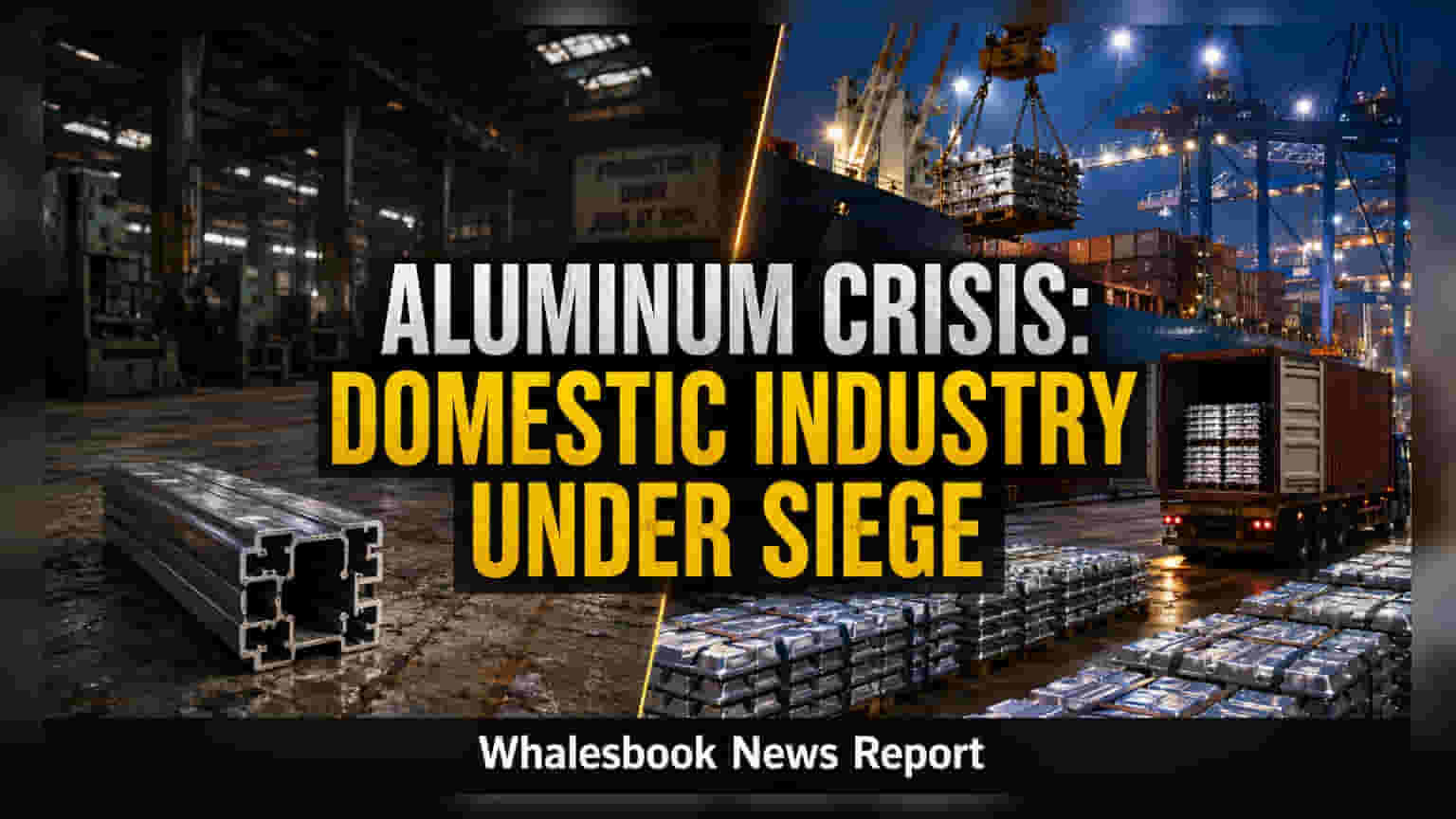
India's downstream aluminum manufacturers are struggling with an inverted duty structure that makes imported finished goods cheaper than raw materials. This policy imbalance, driven by various Free Trade Agreements, has led to a surge in imports and pressured profit margins for smaller domestic producers. The crisis highlights a growing divide between large, integrated upstream players and the fragmented MSME downstream segment.
The Indian aluminum sector is currently navigating a complex policy environment characterized by an inverted duty structure. This occurs when the import tariffs on raw materials and intermediate components are higher than those applied to finished aluminum products. For domestic manufacturers, particularly smaller entities, this policy gap creates a significant cost disadvantage against imported goods.
Impact of Preferential Trade Agreements
While the basic customs duty on primary aluminum stands at 7.5%, the financial landscape shifts under various Free Trade Agreements (FTAs) and Economic Cooperation Partnership Agreements. Many partner nations, including those in the ASEAN region, Japan, and South Korea, benefit from zero-duty access for finished aluminum products. In contrast, the primary aluminum required by local manufacturers often attracts the standard 7.5% duty because it is frequently sourced from non-FTA countries. Consequently, finished products arrive in India at a lower total landed cost than the raw materials required to produce them domestically.
Squeeze on Downstream MSMEs
This structural imbalance has triggered a notable surge in imports of finished aluminum structures, with data indicating the value of these imports nearly doubled to $466 million in recent fiscal years. A significant portion of these imports originates from FTA partners such as Thailand, the UAE, Malaysia, and South Korea. This surge creates a dual-pressure environment for downstream micro, small, and medium enterprises (MSMEs). These companies face inflated costs for raw materials while struggling to compete with cheaper finished goods flooding the market. Associations such as the Aluminum Extruders' Association have reported that this competitive pressure has caused capacity utilization among smaller units to drop to 40-50%.
Upstream Versus Downstream Dynamics
The Indian aluminum industry is split between a few large, vertically integrated upstream companies and a highly fragmented downstream sector. Because upstream producers can often price their products near import parity, they are largely insulated from the cost pressures affecting smaller downstream players. This asymmetry complicates policy reform, as the interests of these two segments are often misaligned. Furthermore, Indian aluminum exporters are encountering additional global hurdles, such as the European Union's Carbon Border Adjustment Mechanism and the United States' Section 232 tariffs, which further restrict the ability of domestic MSMEs to compete in international markets.
Investors may monitor the Department of Commerce’s ongoing review of existing trade agreements, as any adjustments to these duties could significantly alter the cost structure for aluminum manufacturers. The core concern remains whether policy shifts can balance the needs of the domestic industry while aligning with India's broader manufacturing goals.