 Whalesbook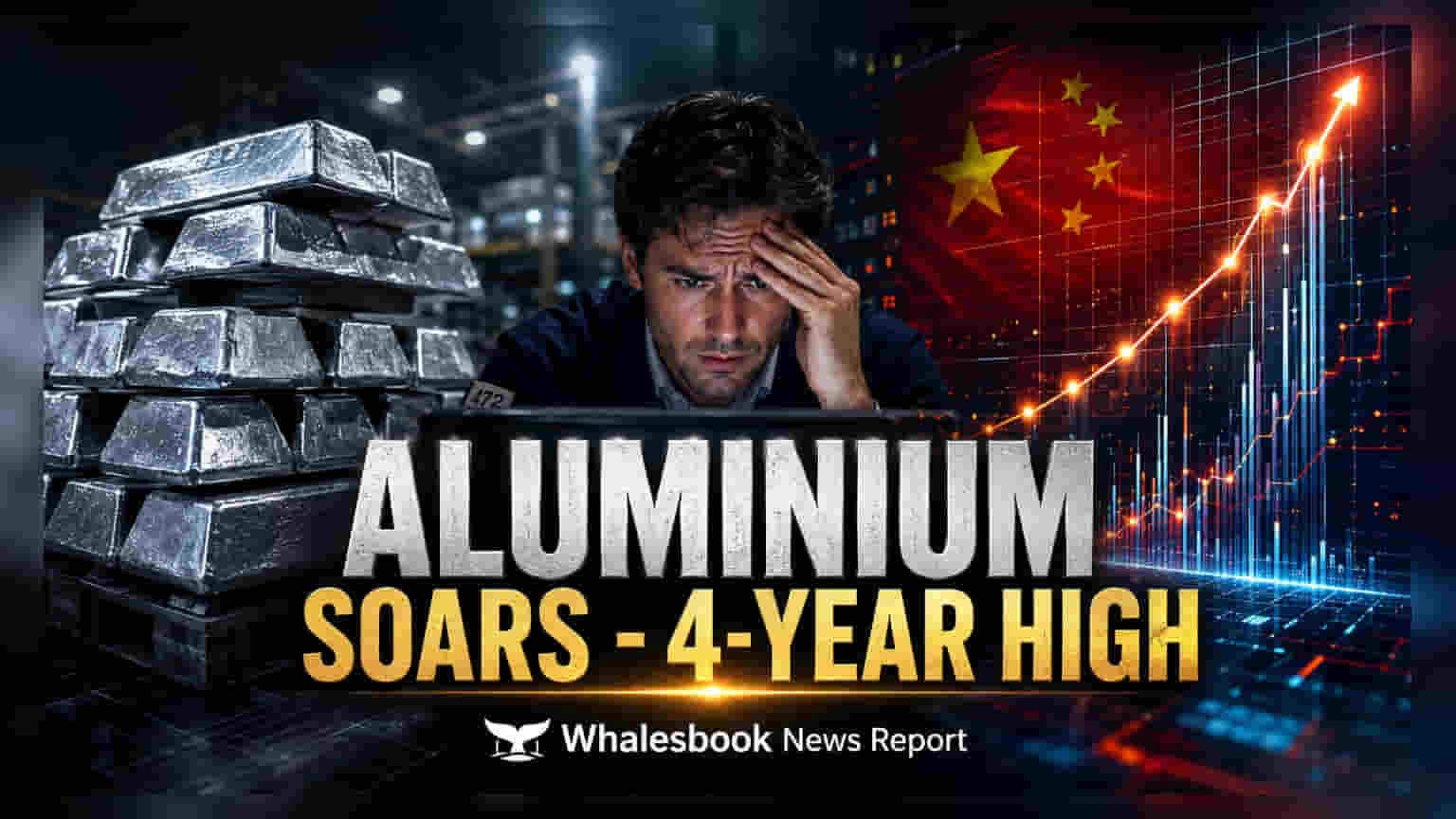


From Cyclical Peaks to Structural Shortage
The current surge in aluminium prices, topping $3,670 per metric tonne on the London Metal Exchange, signals more than just typical market volatility. A global supply deficit of 1.4 million tonnes is widening, marking an end to the era of readily available and cheap aluminium, largely due to China's former surplus capacity.
Geopolitical tensions in the Middle East have severely disrupted the transit of essential raw materials through key waterways like the Strait of Hormuz. This has created a persistent premium on logistics, which shows no signs of easing.
China's Production Cap Tightens Supply
China, the world's leading aluminium producer, is facing new restrictions on energy consumption and emissions. These regulations are limiting annual production to around 45 million tonnes, a significant shift from past capacity expansions.
Combined with Beijing's carbon targets and scrutiny of energy-intensive industries, this constrains output. Adding to the pressure, potential bauxite export controls from Guinea, a key supplier to Chinese refineries, could increase feedstock costs. This may force less efficient producers to cease operations, further reducing global refined metal availability.
Potential Demand Weakness and Risks
Investors are considering the possibility of a sharp decline in global demand. A significant slowdown in manufacturing could lead to industries substituting aluminium with other materials in packaging and automotive sectors, rapidly reducing consumption.
While producers like Alcoa benefit from higher prices, they are exposed to rising energy costs, a major smelting expense, and market volatility. Any de-escalation of regional conflicts or changes in China's industrial policy could quickly deflate the current geopolitical risk premium driving prices.
Long-Term Outlook and Market Views
Many market observers now expect prices to remain at elevated levels for an extended period. Analyst consensus has recently improved, with upgrades suggesting current prices do not fully reflect the persistent supply-demand imbalance.
Despite logistical and regulatory hurdles for producers, the fundamental supply shortfall indicates that suppliers may retain strong pricing power through 2026. Future investment strategies are focusing on companies with secure energy supplies and high-quality bauxite reserves, as those lacking these advantages face significant margin risks amid tight supply and volatile input costs.