

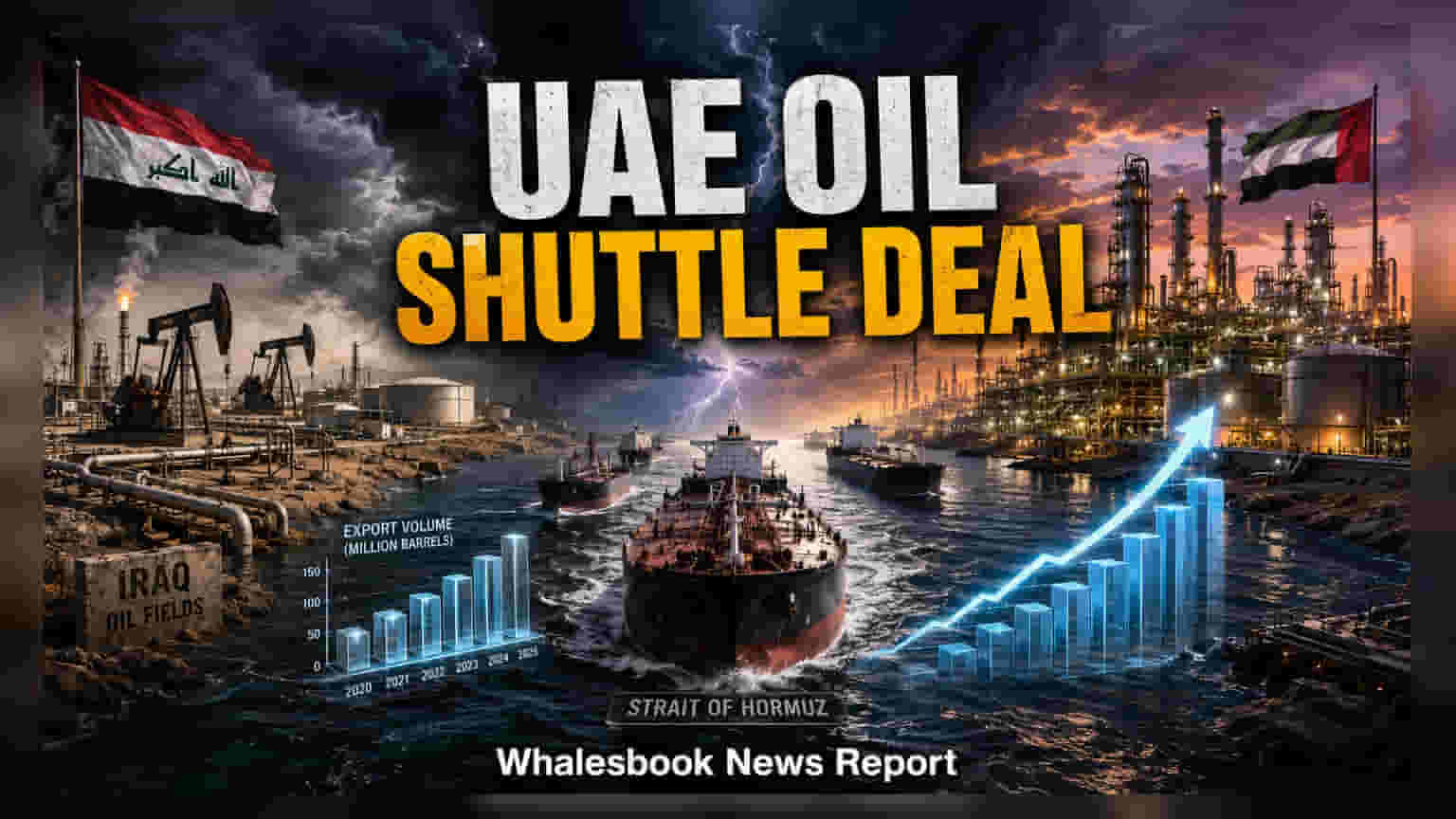
Abu Dhabi National Oil Company (ADNOC) is helping transport Iraqi crude oil through the Strait of Hormuz to support exports amid regional shipping security concerns. The initiative uses specialized shuttling tactics to move oil safely to Asian markets. This involvement by ADNOC comes as Iraq reports a rise in crude exports to 2 million barrels per day, highlighting a new logistical strategy in the West Asian energy sector.
Abu Dhabi National Oil Company (ADNOC) has begun assisting Iraq with crude oil exports by shuttling shipments through the Strait of Hormuz. This initiative, which helps bypass regional security bottlenecks, utilizes ADNOC’s specialized fleet to transport oil discreetly. By moving crude out of the Persian Gulf for ship-to-ship transfers, the company aims to maintain stable delivery schedules to Asian buyers despite ongoing security tensions in the region.
The operational strategy involves transferring crude to larger vessels outside the Persian Gulf, a process often described as a 'shuttle' or 'dark-transit' method. This allows producers to manage logistics without exposing the full cargo to the security risks associated with standard transit through the Strait of Hormuz. For Iraq, this support is timely as the country seeks to maintain steady output and export volumes to global markets.
From a financial perspective, ADNOC’s involvement highlights the growing capabilities of its logistics and services division. The group’s six publicly listed companies, including ADNOC Logistics & Services, recently reported a combined H1 2026 revenue of $25.3 billion and a net profit of $4.8 billion. ADNOC Logistics & Services has also raised its full-year financial guidance for the third consecutive time, driven by high demand for regional shipping and specialized freight services.
This move comes as Iraq’s State Oil Marketing Organization (SOMO) reported that crude exports have increased to approximately 2 million barrels per day for the current month, a recovery from earlier, lower estimates. To maintain these volumes, Iraq has reportedly offered competitive pricing and discounts to attract Asian refiners, while the logistical support from ADNOC helps ensure those barrels actually reach their destination.
While this strategy supports export flow, it is not without operational and regulatory risks. The use of non-standard shipping tactics in high-risk zones can lead to challenges such as potential vessel collisions, insurance complications, or increased scrutiny from international maritime regulators. Furthermore, the reliance on specialized shuttling can be more expensive than traditional transit, meaning the long-term success of this model depends on stable freight rates and continued demand from Asian markets.
Investors and market participants may track how this logistical support affects freight costs and export consistency for the region. The key monitorable will be whether such shuttling arrangements can scale to handle larger volumes without facing significant regulatory pushback or operational incidents that could disrupt the supply chain.