

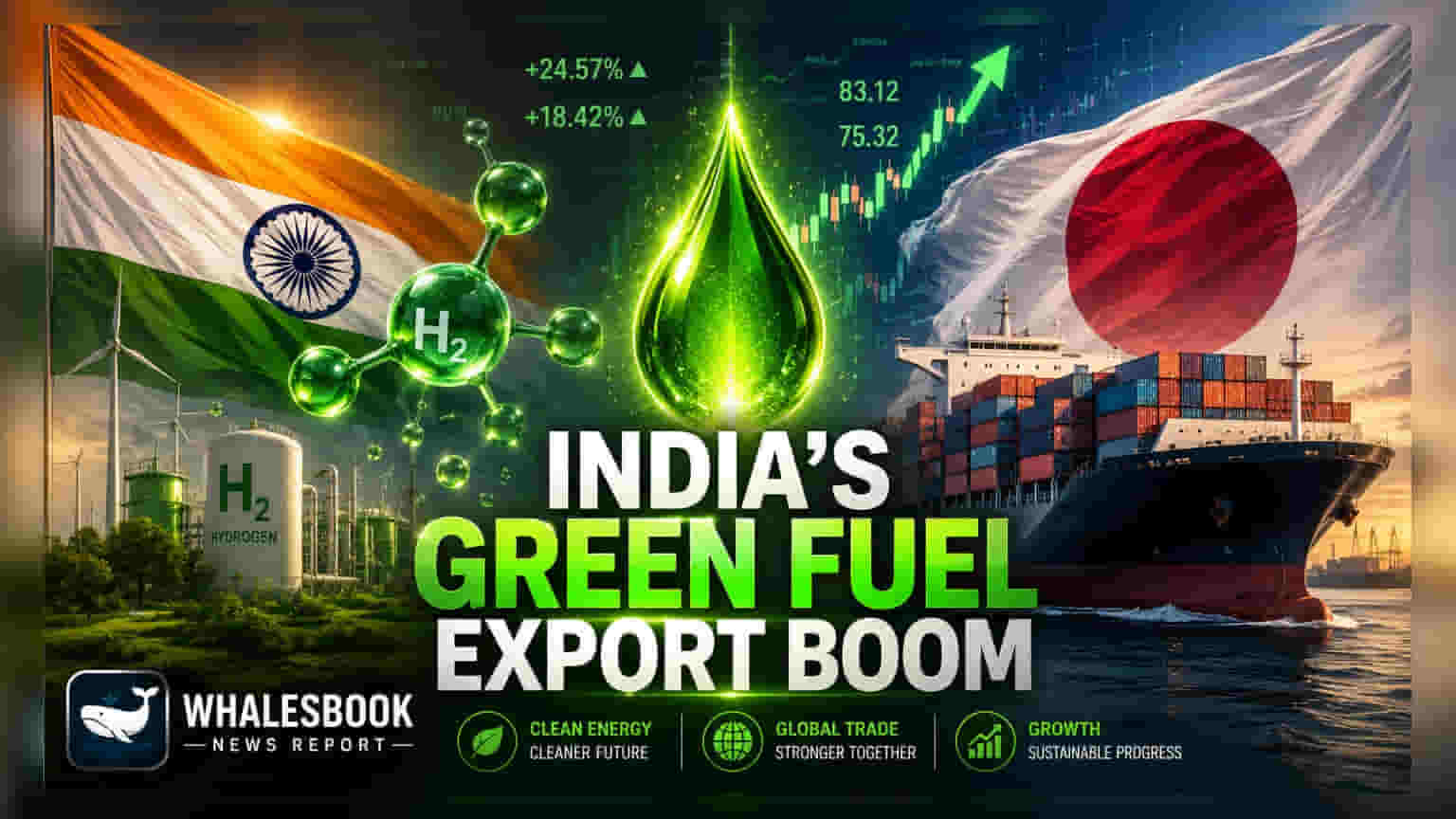
ACME Cleantech Solutions has signed long-term agreements to supply green ammonia and methanol to Japanese firms IHI Corporation and Mitsubishi Gas Chemical. These deals, supported by India’s National Green Hydrogen Mission, mark a significant step in scaling India's clean fuel exports.
What Happened
ACME Cleantech Solutions (ACME Group) has finalized major long-term export agreements to supply green fuels to Japan. The company will supply 405,000 tonnes of green ammonia annually to IHI Corporation. Additionally, ACME has entered into a 10-year contract with Mitsubishi Gas Chemical Company to provide 100,000 tonnes of green methanol per year from its manufacturing facility in Paradip. These agreements follow efforts by the Indian government to establish the country as a competitive source for clean energy commodities in international markets.
Why These Deals Matter
For investors, these contracts represent the shift from pilot projects to commercial-scale operations in India’s green energy sector. The agreement with IHI Corporation is particularly notable because it benefits from Japan's Contracts for Difference (CfD) scheme. This mechanism provides price support to Japanese buyers, helping to bridge the cost gap between traditional fuels and green alternatives. By securing these offtake agreements, ACME is establishing long-term revenue visibility, which is essential for capital-intensive projects in the green hydrogen value chain.
The National Green Hydrogen Mission Context
These exports align with India's National Green Hydrogen Mission, which was approved in January 2023 with an initial outlay of ₹19,744 crore. The mission aims to lower production costs and build infrastructure to make India a global hub for green hydrogen and its derivatives, such as ammonia and methanol. The government’s focus is on creating a supply chain that can compete globally on cost, which is a major factor for Japanese and European industries looking to decarbonize while maintaining energy security.
Business And Execution Reality Check
While these agreements demonstrate commercial progress, the scale of production required—over 500,000 tonnes of combined green fuels—requires massive capital investment. Investors should consider that projects of this size carry execution risks, including the timeline for setting up renewable energy capacity and the successful commissioning of electrolyzers. Furthermore, the final profitability of these projects will depend on the cost of renewable power, which is the primary raw material for green hydrogen, and the company's ability to maintain efficient margins amidst global competition.
What Investors Should Track
Going forward, the key monitorables include the commissioning timeline for the Paradip facility and the progress of the production capacity ramp-up. Investors should also track any updates regarding the National Green Hydrogen Mission, as government subsidies and policy support remain central to the economic viability of green fuel projects in India. Additionally, the ability of Indian firms to secure similar price-supported deals in other markets like the European Union will be a metric to watch for the long-term outlook of this sector.