 Whalesbook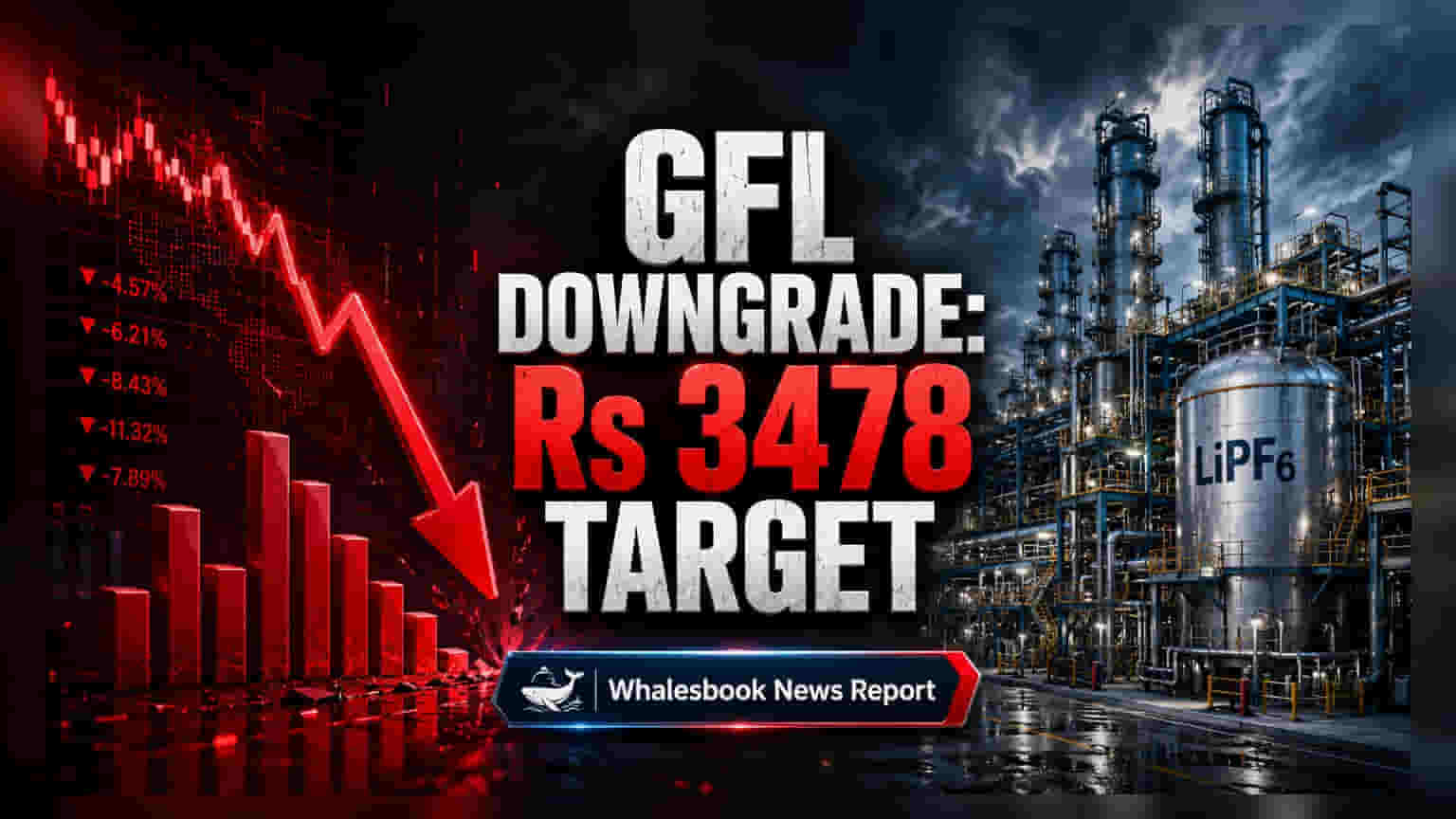


Valuation Concerns
Gujarat Fluorochemicals is currently trading at a high valuation, with a price-to-earnings (P/E) ratio around 60x. This valuation seems out of sync with its immediate earnings potential. Analysts have recently downgraded the stock to 'Reduce,' signaling a disconnect between the company's long-term goals and its current financial performance. The stock price, recently near Rs 3,784, implies investors are betting on significant success from its new battery chemicals unit, but its quarterly revenue contribution of Rs 150 million currently struggles to support this optimism.
Business Segment Performance
The company's financial results show a mix of performance across its business units. The fluoropolymers segment continues to perform well, driven by demand from the semiconductor and clean energy sectors. However, this strength is tempered by weaker performance and instability in other chemical products. Gross margins decreased to 63.3% this quarter, a drop of 350 basis points from the previous quarter. This margin compression highlights the cost pressures the company faces as it invests heavily, including a Rs 2.5 billion expansion for fluoropolymer capacity, amidst changing raw material prices.
Battery Chemicals Outlook
The company's shift towards battery chemicals, specifically LiPF6 and PVDF, aims to position it as a key supplier for electric vehicles. Although management expects growth in FY27 and FY28, the market is beginning to question the speed of this anticipated ramp-up. Unlike established players like Solvay or Arkema, Gujarat Fluorochemicals' battery materials business is still in its early stages. Analysts now anticipate that LiPF6 will be the primary contributor from the battery unit in the upcoming fiscal year, rather than a widespread increase across the entire segment. This slower monetization of new products could limit the stock's short-term growth potential.
Key Risks and Expectations
The main concerns for investors revolve around the company's ability to execute its plans and meet high expectations. Management must contend with strong competition from Chinese manufacturers and manage the financial implications of its Rs 6,000 crore capital expenditure plan over several years. Recent leadership changes, including the departure of key executives, add to organizational uncertainty. Given that the company's valuation is significantly higher than its industry peers, any further delays in the battery business ramp-up or a downturn in global fluoropolymer demand could lead to a substantial decrease in its stock valuation multiples.