

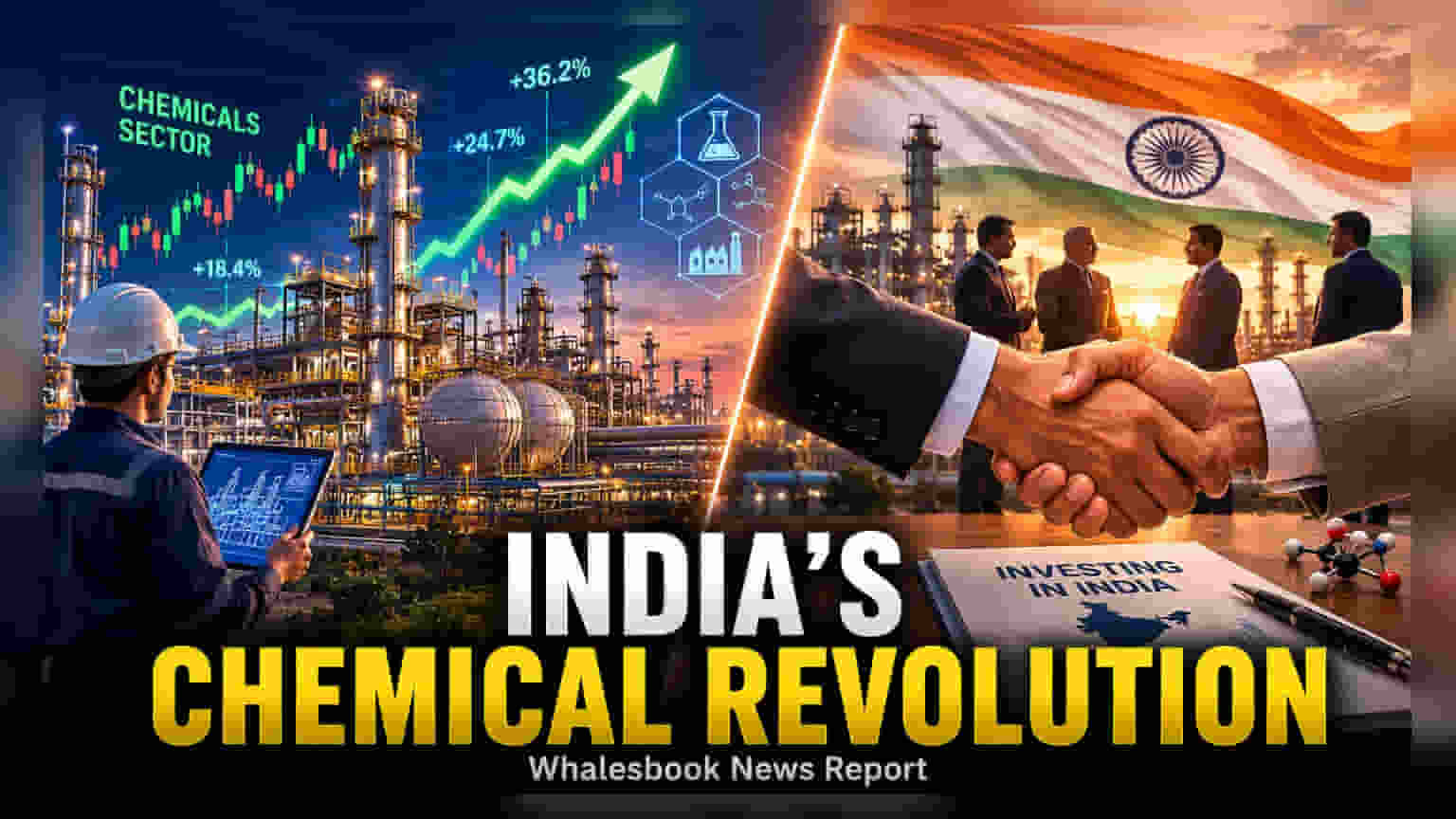
The Union Cabinet has approved a ₹3,030 crore scheme to build three dedicated chemical parks by 2031. This initiative aims to reduce operational costs for chemical companies by providing shared infrastructure like waste treatment and steam networks. Investors may track which states secure these projects and how the infrastructure support impacts the profit margins of chemical firms.
Detailed Coverage
The Union Cabinet has officially approved the Bharat Audyogik Vikas Yojana Rasayan (BHAVYA Rasayan), a ₹3,030 crore initiative designed to modernize India’s chemical sector. The program will run from fiscal year 2026-27 to 2030-31, focusing on creating three large-scale, specialized chemical parks across the country to improve the efficiency of domestic manufacturing.
Infrastructure Support and Funding Structure
Under this scheme, the central government will provide up to ₹1,000 crore in grants for each of the three parks. To qualify, participating state governments must contribute at least ₹500 crore, ensuring a shared financial commitment. The funding is strictly designated for common infrastructure, such as Common Effluent Treatment Plants, hazardous waste disposal facilities, water supply systems, and steam generation networks. By sharing these essential utilities, the government intends to lower the capital spending burden for individual chemical companies and improve their overall production efficiency.
Strategic Objectives for the Chemical Sector
India’s chemical industry is often sensitive to raw material costs and environmental compliance requirements. By developing these parks, the government aims to encourage a cluster-based approach where upstream, downstream, and ancillary chemical units can operate in proximity. The requirement for 2,000 acres of contiguous land per site suggests that these parks are planned for large-scale operations. For investors, the primary benefit of such clusters is the potential for reduced logistics and utility costs. Furthermore, the mandatory inclusion of centralized waste management facilities is intended to help firms meet stricter environmental regulations, reducing the risk of operational shutdowns due to compliance issues.
Sector Context and Investor Monitorables
The Indian chemical sector has recently faced challenges related to global pricing pressure and import competition. Many companies have been looking for ways to optimize their manufacturing processes to compete more effectively on a global scale. While this scheme provides a framework for growth, the actual impact on any specific company will depend on several factors. Investors may monitor which states successfully win these projects through the competitive route, as location-specific advantages like proximity to ports or raw material sources will remain critical. Additionally, the execution timeline will be a key factor to watch, as the benefits of shared infrastructure will only materialize once these parks are fully commissioned.
Looking ahead, market participants may track updates on land acquisition progress and the participation of major chemical manufacturers in these zones. The success of the scheme will also depend on how effectively these facilities can help firms integrate into global value chains and whether the shared utility model genuinely leads to improved profit margins over the next five years.