

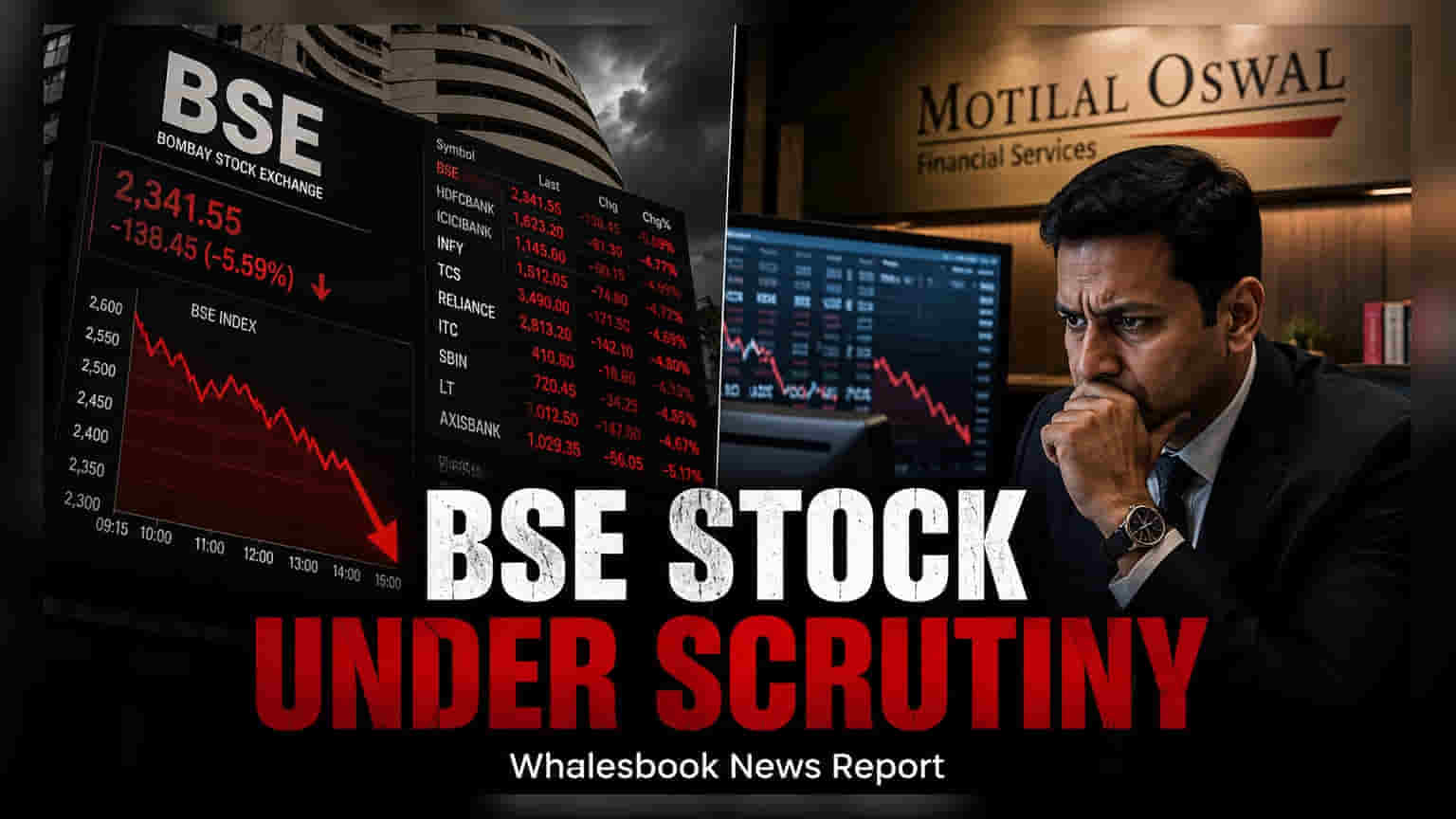
Motilal Oswal has maintained a 'Neutral' rating on BSE Ltd with a target price of ₹3,900 following the release of Q1 FY2027 results. While the exchange reported a 62% jump in net profit, the brokerage has flagged concerns regarding rising operating costs and the potential impact of new RBI regulations on trading volumes.
BSE Ltd recently reported its financial results for the quarter ending June 30, 2026. The stock exchange posted an operating revenue of approximately ₹1,566 crore and a consolidated net profit of ₹874 crore. This represents a 62% increase in net profit compared to the same period last year, supported by growth in transaction charges and derivatives trading.
Following these results, Motilal Oswal Securities has kept its 'Neutral' rating on the stock, setting a target price of ₹3,900. While the exchange recorded strong topline growth, the brokerage pointed to specific operational and regulatory factors that support a cautious outlook.
Margins and Cost Pressures
One of the main areas highlighted by the brokerage is the company's profit margin. BSE reported an EBITDA margin of 68.4% for the quarter. While this level of profitability remains significant, it fell slightly short of the brokerage’s expectation of 70.2%. A primary reason for this difference was an increase in operating expenses. Specifically, the company’s employee costs rose by 24% year-over-year, which exerted some pressure on the overall profit margins.
Impact of New RBI Regulations
Beyond internal costs, the brokerage also highlighted external regulatory risks. New Reserve Bank of India (RBI) regulations, effective from July 2026, have introduced stricter norms for bank-funded proprietary trading. These rules require tighter collateral and lending standards for financial institutions.
Because of these changes, there is a risk that liquidity and transaction volumes at the exchange could face pressure. While the company has seen strong trading activity in recent months, the brokerage notes that the full, long-term impact of these stricter norms on market participation is still being assessed.
What Investors May Track
Moving forward, the primary areas for investors to monitor will be the sustainability of trading volumes and the company’s ability to manage its rising expense base. The market will also look for management commentary on how the exchange plans to navigate the new regulatory environment regarding proprietary trading. Whether BSE can maintain its current volume trajectory despite these changes will likely determine the direction of its financial performance in the coming quarters.