 Whalesbook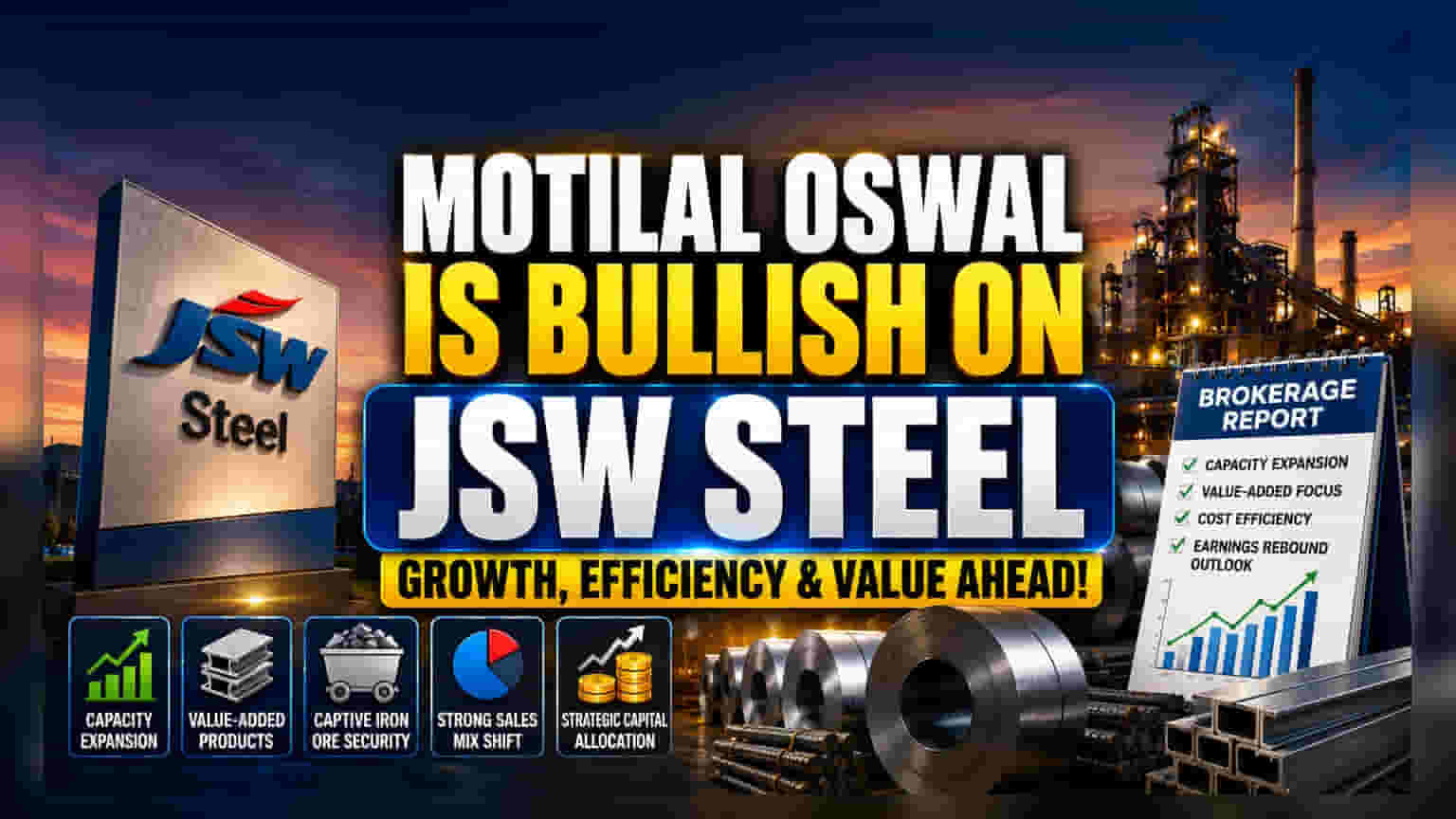


Brokerage firm Motilal Oswal has shared an optimistic outlook for JSW Steel, citing upcoming capacity expansion and better cost management as key drivers. The report notes that a shift toward higher-value products and strong domestic demand could support future earnings. Investors are focusing on project execution timelines and the company’s ability to manage costs amid global steel price volatility.
What Happened
Brokerage house Motilal Oswal has released a research report on JSW Steel, highlighting its potential for growth in the coming years. The report, which reflects a positive view of the company’s trajectory, points to several strategic initiatives that could influence performance. Key factors include the ongoing capacity expansion projects, which are expected to increase production output, and a concerted effort to shift the sales mix toward higher-value steel products. The brokerage also noted the recent sale of the company's stake in Bhushan Power and Steel Ltd (BPSL) as a strategic step that supports the company’s capital allocation strategy.
Why This Matters For Investors
The brokerage's analysis emphasizes growth visibility. For a capital-intensive business like steel, the primary driver for long-term value is often the ability to scale production efficiently while managing debt. When a company expands capacity, the crucial test for investors is whether that new capacity can be commissioned on time and reach high utilization levels without causing significant strain on the balance sheet. By focusing on higher-value products, the company is attempting to insulate its margins from the volatility typically seen in commodity-grade steel prices.
Cost Efficiency and Iron Ore Security
A critical component of the brokerage’s view is JSW Steel’s focus on vertical integration. Securing captive iron ore supplies and improving coal linkages are essential strategies in the steel industry. Raw material costs represent the largest expense for any steel manufacturer. By reducing reliance on external market procurement, the company aims to protect its profit margins from sharp fluctuations in global commodity prices. If executed successfully, these measures could improve the company's earnings stability throughout the steel cycle.
The Bigger Business Context
The Indian steel sector is currently shaped by strong domestic demand, driven largely by infrastructure development and housing. However, the industry remains sensitive to global factors, including steel dumping from other countries and international price trends. While domestic consumption is a tailwind, the company must also navigate the risks associated with capital-intensive operations. Steel manufacturing requires heavy investment, and companies must maintain a healthy balance between expansion spending and debt management. The brokerage’s model suggests a potential rebound in earnings before interest, taxes, depreciation, and amortization (EBITDA) per tonne, which is a metric investors use to assess operational efficiency.
Potential Risks and Concerns
Investors monitoring the sector should be aware of several inherent risks. Steel is a cyclical industry, meaning demand and prices can fluctuate significantly based on economic conditions. Project execution risk is another factor; delays in expanding capacity or technical hurdles in new plants can lead to cost overruns, which may pressure cash flow. Additionally, while captive resources help manage costs, the company remains exposed to broader commodity price risks if global demand softens. Managing high debt levels during a period of heavy capital spending requires disciplined financial planning.
What Investors Should Track
Moving forward, the primary monitorable for shareholders will be the commissioning timeline of the new steel plants. Delays in this area could push back revenue realization. Investors may also want to track the net debt-to-EBITDA ratio in quarterly results to ensure that the expansion plans are not creating unsustainable leverage. Finally, monitoring the company's product mix—specifically, the percentage of value-added products sold—will provide insights into whether the strategy to move away from commodity-grade steel is yielding better margins.