

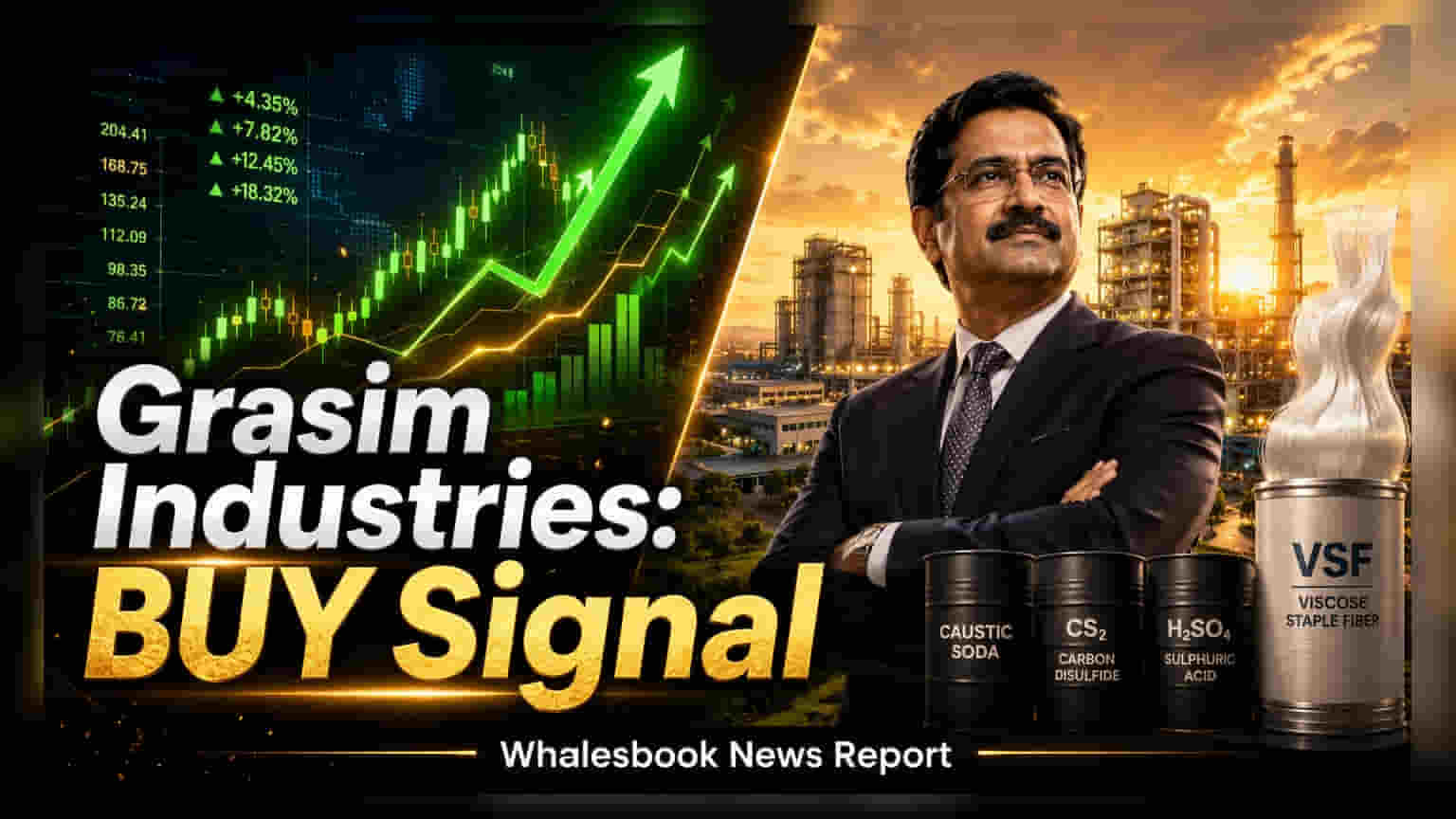
Motilal Oswal has maintained a positive view on Grasim Industries, highlighting potential margin gains in its VSF segment. The company is also focusing on scaling its newer ventures in the paints and e-commerce sectors. Investors are monitoring how these expansion plans impact overall cash flow and long-term profitability.
Grasim Industries, a key player in the Indian diversified industrial sector, remains in focus as brokerage analysts weigh the company's prospects across its core and emerging businesses. The recent outlook from Motilal Oswal highlights expectations for improved profitability in the Viscose Staple Fibre (VSF) segment, driven by price stability in the market. As one of the world's leading producers of VSF, Grasim’s performance is often linked to global textile demand and pricing trends, making this segment a vital contributor to its consolidated earnings.
Expanding Chemical And Core Operations
The company’s chemical division is currently undergoing a strategic shift with a focus on capacity expansion, particularly in the epoxy business. Integration of chlorine production and a transition toward renewable energy sources are central to the company’s plan to improve operational efficiency and potentially reduce input costs over time. These initiatives are designed to strengthen the chemical segment’s competitive position against both domestic and international peers.
Managing New Business Ventures
Beyond its traditional manufacturing roots, Grasim has been investing heavily in new areas, most notably the decorative paints business and its B2B e-commerce platform. These ventures represent a significant shift in capital allocation, requiring substantial upfront spending. A key monitorable for investors is the timeline for these businesses to move toward profitability and how the current cash outlay affects the company's overall debt position. Market watchers often assess whether the cash flow from established divisions like VSF and chemicals can comfortably support the growth requirements of these newer projects.
Investor Considerations And Risks
Grasim’s transition involves inherent risks, including the potential for high initial losses in new segments and the challenge of scaling paint manufacturing in a market with well-established incumbents. Investors often track the company's quarterly performance for signs of margin expansion and proof that the new ventures are gaining expected market share. Furthermore, because these segments are capital-intensive, the company’s ability to manage its debt-to-equity ratio while maintaining its expansion pace remains a critical point for long-term analysis. As the company continues its transformation, the interaction between commodity price fluctuations in the VSF business and the execution speed of its new ventures will likely determine the company's financial health in the coming quarters.