 Whalesbook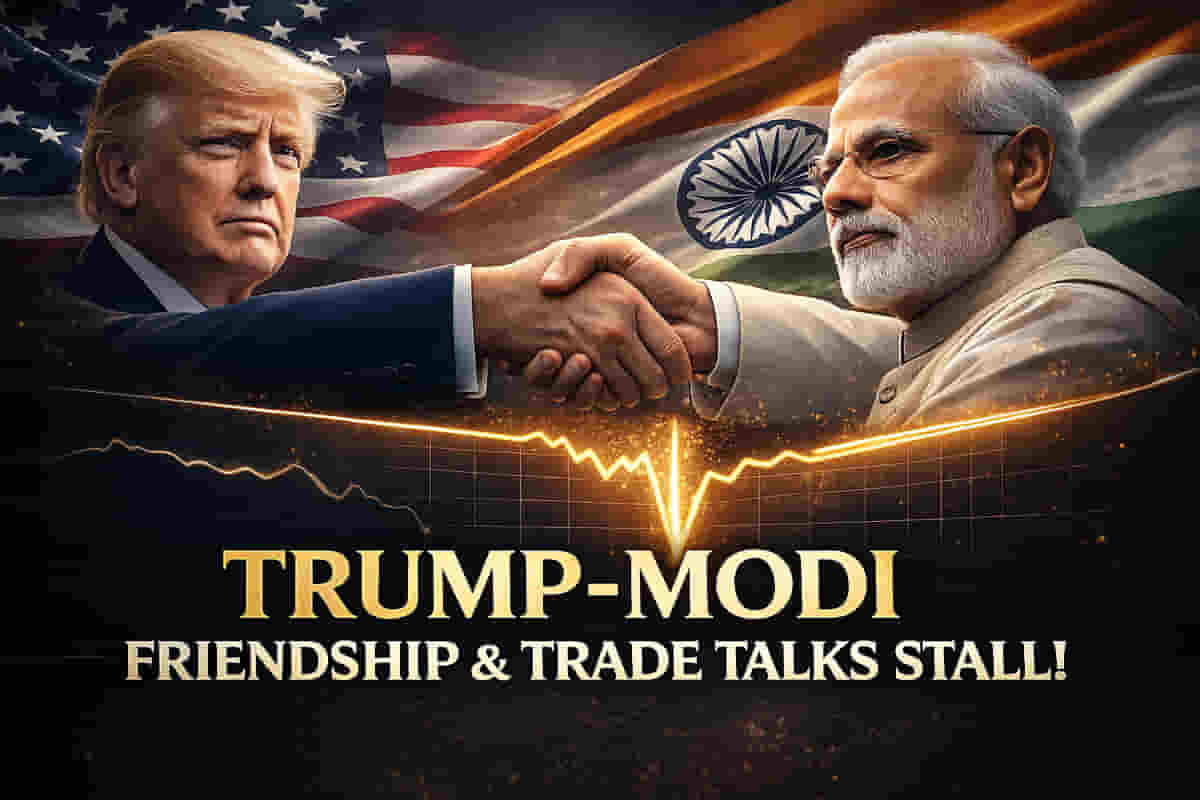
United States President Donald Trump has declared India an "important strategic partner" for America and referred to Prime Minister Narendra Modi as a "great friend." These sentiments, shared by the U.S. Embassy in India on social media platform X, underscore the robust diplomatic ties between the two nations. However, this warm affirmation occurs against the backdrop of protracted negotiations for a comprehensive India-U.S. bilateral trade agreement (BTA), which sources suggest are currently stalled.
The core of the impasse reportedly lies in specific demands made by the U.S. seeking greater market access for its agricultural and dairy products within India. This is a sensitive area for India, which has established certain "redlines" it is unwilling to cross to accommodate these foreign products, citing domestic sensitivities and industry protection.
The Core Issue
The ongoing discussion around the India-U.S. BTA has encountered significant friction, primarily centered on the U.S. push for increased access to the Indian market for its agricultural goods, including sensitive animal and dairy products. For years, trade representatives from both countries have been working to finalize a deal that could boost trade volumes and address existing trade imbalances.
However, Indian officials have indicated that while they value the partnership, certain sectors are off-limits for complete market liberalization due to concerns over the impact on India's vast agricultural sector and its numerous small-scale farmers. These "redlines" represent non-negotiable positions for India in the complex trade discussions.
Diplomatic Warmth Amidst Trade Tensions
Despite the trade negotiation hurdles, the personal rapport between President Trump and Prime Minister Modi appears strong. The leaders recently engaged in a telephone conversation, which was described by both sides as warm and productive. A press statement issued by India's Ministry of External Affairs noted that both leaders reiterated their commitment to working closely to advance global peace, stability, and prosperity.
Prime Minister Modi shared his positive view of the call on X, highlighting a discussion on bilateral relations and regional developments. The U.S. Ambassador to India, Sergio Gor, also tweeted about the call, emphasizing the friendly nature of the conversation and noting Prime Minister Modi's reiterated support for President Trump's initiatives regarding Ukraine.
Trade Dynamics and Market Access
The U.S. administration has been keen on securing favorable terms in trade deals worldwide, and the India negotiations are no exception. A key driver for the U.S. is the desire to reduce trade deficits and open up markets for American businesses. For India, the challenge lies in balancing these U.S. demands with the need to protect its domestic economy, particularly its large agricultural and dairy sectors, which are vital for millions of livelihoods.
The existing trade landscape involves significant tariffs imposed by the U.S. on a substantial portion of India's exports, which negatively affects Indian trade volumes. Progress on the BTA is crucial for India to potentially alleviate these tariff burdens and increase its export potential. However, bridging the gap on agricultural and dairy product access remains a formidable obstacle.
Future Outlook
The continuation of these trade discussions will significantly shape the economic relationship between India and the United States. While diplomatic channels remain open and personal relationships are strong, the practicalities of trade policy and market access will ultimately determine the outcome. Investors and businesses in both nations will be closely watching for any signs of compromise or continued deadlock, as a resolution could unlock new opportunities or, conversely, lead to sustained trade friction. The strategic partnership, while robust, faces the practical challenge of reconciling differing economic interests.
Impact
This news has a moderate impact on the Indian stock market. While diplomatic praise from President Trump is a positive signal for overall bilateral sentiment, the critical factor for investors remains the progress on the India-U.S. BTA. A breakthrough in trade talks could benefit Indian exporters in sectors such as agriculture, dairy, and potentially manufacturing, leading to positive stock movements in those segments. Conversely, a prolonged stalemate or increased trade barriers could dampen investor confidence and negatively affect trade-sensitive industries. The U.S. demands and India's "redlines" highlight areas where specific companies or sectors might face challenges or opportunities depending on the negotiation outcome. The importance of this news is higher for businesses involved in international trade and policy analysis.
Impact Rating: 6/10
Difficult Terms Explained
- Bilateral Trade Agreement (BTA): An accord negotiated between two countries to regulate their trade relations, often covering tariffs, market access, and other trade-related policies.
- Market Access: The ability for goods and services from one country to enter and be sold in another country's market, often influenced by tariffs, quotas, and regulations.
- Strategic Partner: Nations that cooperate closely on matters of mutual interest, particularly in defense, security, and economic policy, recognizing each other's importance in regional and global affairs.
- Redlines: Specific, non-negotiable positions or boundaries that a country will not compromise on during negotiations.
- Tariffs: Taxes imposed by a government on imported goods, typically used to make them more expensive and discourage imports, or to raise revenue.