 Whalesbook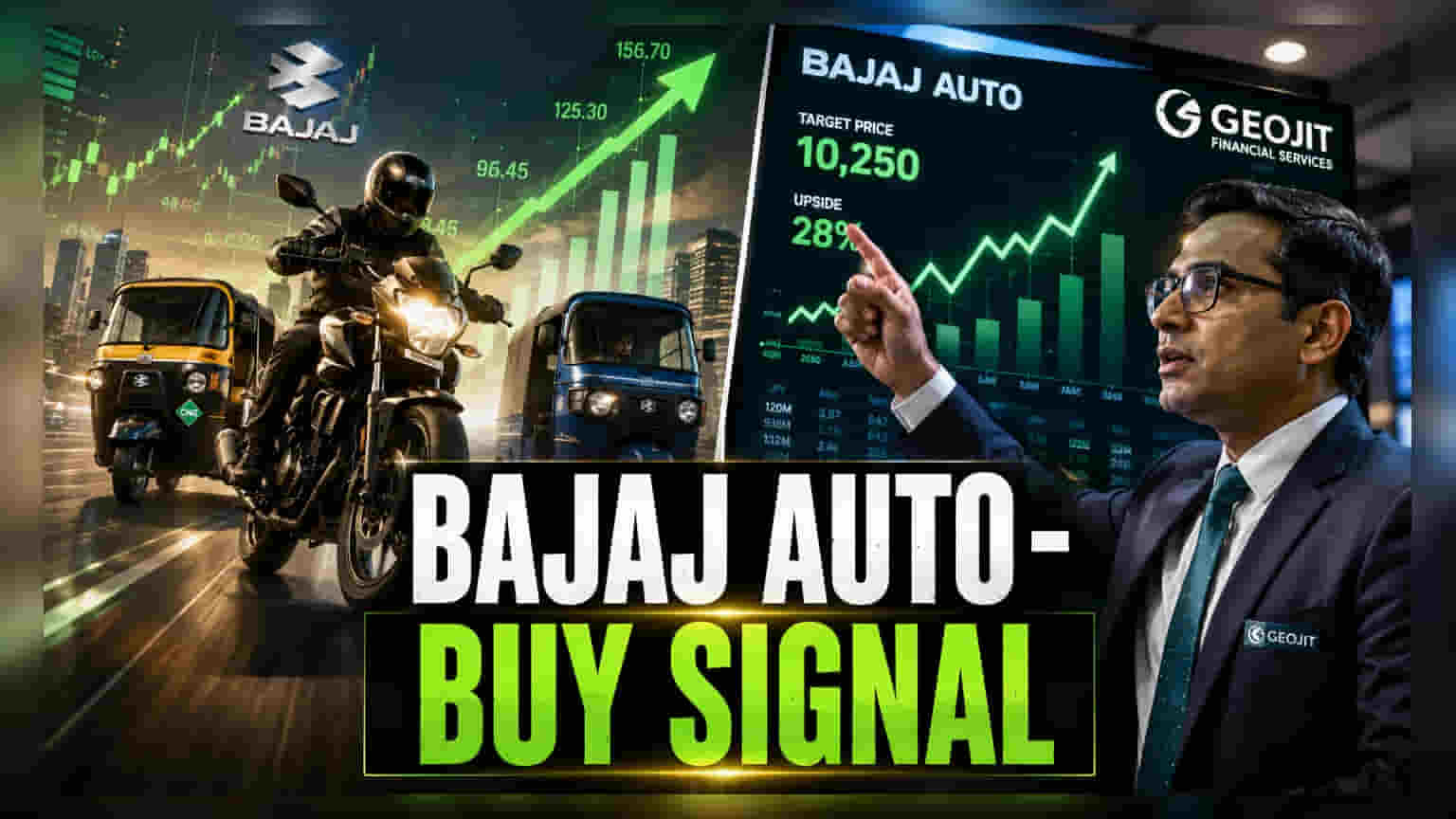


The Valuation vs. Profitability Paradox
Bajaj Auto’s fiscal year 2026 performance serves as a study in contrast between top-line expansion and bottom-line vulnerability. While the company achieved its highest-ever quarterly and annual revenue, investor sentiment remains tethered to the volatility in operating margins. The recent rating upgrade to BUY by Geojit, with a target of Rs 11,735, acknowledges the robust volume growth, yet the market currently prices the stock at a P/E of approximately 27x, a premium that assumes management can navigate persistent input cost inflation.
The Erosion of Operating Leverage
While standalone revenue jumped 31.8% to Rs 16,006 crore in Q4, the operational narrative is more complex. Operating margins contracted significantly on a sequential basis, reflecting a broader industry trend where rising commodity prices are eroding the gains from price hikes. Unlike more diversified peers, Bajaj Auto’s heavy reliance on the premium motorcycle and export segments makes its bottom line acutely sensitive to geopolitical disruptions and foreign exchange fluctuations. Even with successful operating leverage from record volumes, the company is finding it increasingly difficult to fully pass on costs without risking demand erosion in key price-sensitive domestic markets.
The Bear Case: Structural Risks
Institutional caution is warranted when evaluating Bajaj Auto’s recent trajectory. Beyond the surface-level revenue records, the company’s long-term debt profile warrants scrutiny following recent balance sheet adjustments, which have caused interest costs to climb. Furthermore, the two-wheeler segment is currently undergoing a painful structural shift; while Bajaj, TVS, and Hero MotoCorp dominate the transition to electric vehicles, the race to capture market share in EVs has intensified competition, potentially capping the pricing power that legacy players previously enjoyed. Management’s recent warning regarding a potential demand slowdown in FY27, specifically due to rising vehicle prices fueled by commodity inflation and below-normal monsoon projections, indicates that the current growth spurt may be approaching a localized ceiling.
Looking Ahead: Market Consensus
Brokerage sentiment remains bifurcated. While some firms have raised targets citing the company's strong execution in the export business and successful buyback program, others maintain neutral or underweight ratings. The consensus suggests that the next phase of valuation for Bajaj Auto will depend less on volume growth—which is becoming industry standard—and more on the company’s ability to defend its operating margins against intensifying competitive pressure from TVS and Hero MotoCorp in both ICE and electric portfolios.