 Whalesbook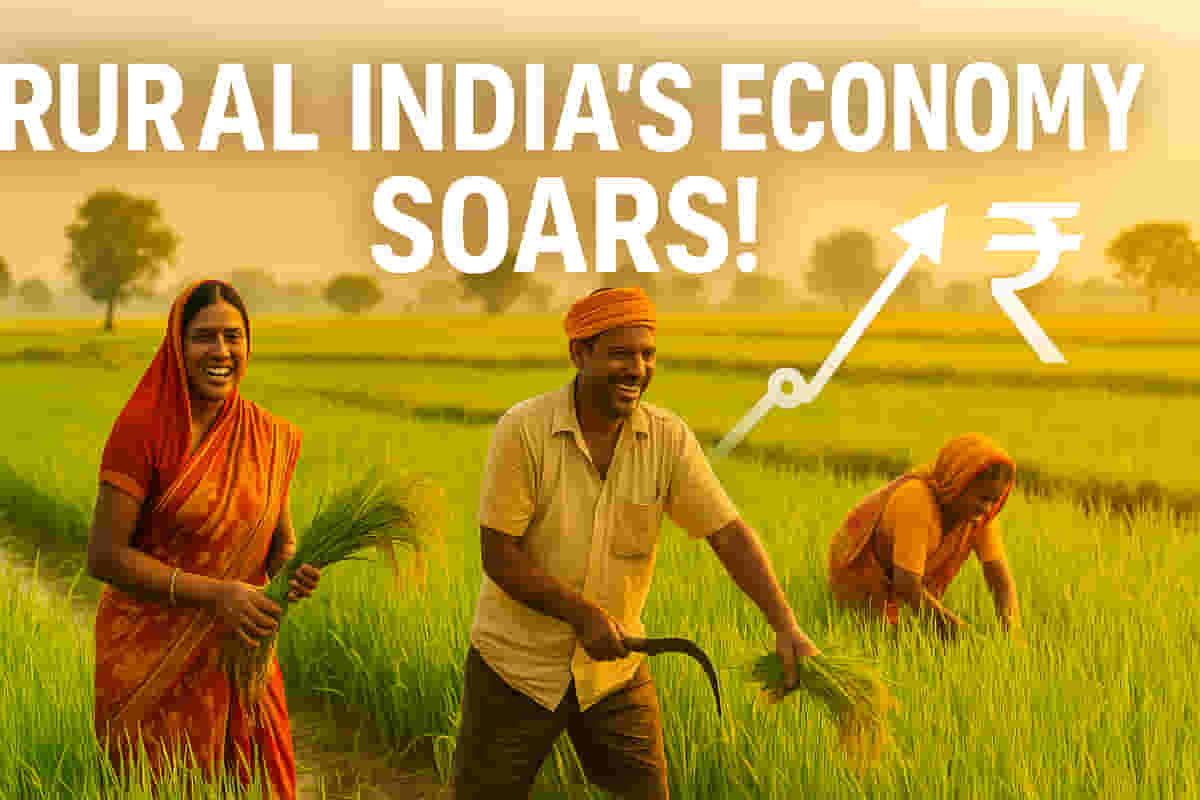
Rural Economic Fundamentals Strengthen
The latest survey on rural economic conditions and sentiments by Nabard reveals a significant strengthening of India's rural economy. The findings indicate a robust uplift in consumption across a vast majority of households. Approximately 80% of rural households have reported higher consumption levels over the past year. This surge is reflected in household spending habits, with 67.3% of monthly income now being dedicated to consumption expenditures.
Further bolstering this positive economic picture, income growth has been widespread. The Nabard survey, in its 8th round, shows that 42.2% of rural households experienced income growth. Significantly, only 15.7% reported any form of income decline, marking the lowest figure recorded in the survey's history. This widespread income improvement contributes to increased spending power.
Investment Surge Driven by Demand
The positive economic climate is also fostering greater investment in rural areas. The survey highlights a notable increase in capital investment, with 29.3% of rural households increasing their investments over the past year. This represents the highest proportion seen in any survey round, suggesting renewed asset creation in both farming and non-farm sectors.
Crucially, the survey clarifies the drivers behind this investment pickup. It is attributed to the strong gains in consumption and household incomes, rather than being a response to reduced credit stress or other financial pressures. This indicates organic growth fueled by consumer demand.
Formal Credit Access Expands
Access to formal sources of credit has also seen a significant rise. The data indicates that 58.3% of rural households now access credit exclusively from formal channels like banks and financial institutions. This marks the highest point recorded across all survey rounds, an increase from 48.7% in September 2024. However, the survey notes that the share of informal credit remains around 20%, underscoring the continuing need for efforts to deepen formal credit penetration in rural areas.
Financial Implications and Market Reaction
This robust performance in the rural economy carries significant implications for businesses operating in India. Companies, particularly those in the Fast-Moving Consumer Goods (FMCG), automotive, and rural finance sectors, are poised to benefit from increased purchasing power and higher demand. The data suggests a fertile ground for sales growth and revenue expansion in these segments.
Investors may view this as a positive signal for sectors heavily reliant on rural consumption. A strong rural economy can contribute substantially to India's overall Gross Domestic Product (GDP) growth and boost investor sentiment towards consumer-facing stocks, potentially leading to improved market performance for these companies.
Impact
The strengthening rural economy is expected to have a positive cascading effect on various aspects of Indian life. It signifies improved livelihoods for a large segment of the population, potentially leading to reduced poverty levels and enhanced quality of life. For businesses, it represents a stable and growing market, supporting job creation and economic diversification. The overall sentiment indicates a healthy economic trajectory for rural India, which is a critical component of the nation's growth story.
Impact Rating: 8/10
Difficult Terms Explained
- Nabard: National Bank for Agriculture and Rural Development, an apex institution for rural development finance in India.
- RECSS: Rural Economic Conditions and Sentiments Survey, a survey conducted by Nabard to assess the economic health and outlook in rural areas.
- Consumption: The spending by households on goods and services.
- Income Growth: An increase in the amount of money earned by households over a period.
- Capital Investment: Expenditure made on acquiring or improving fixed assets like land, buildings, machinery, or equipment, aimed at increasing future production or services.
- Formal Credit: Loans and financial services provided by regulated institutions such as banks, credit unions, and other financial bodies.
- Informal Credit: Loans obtained from non-institutional sources, such as individual moneylenders, friends, or family members.