

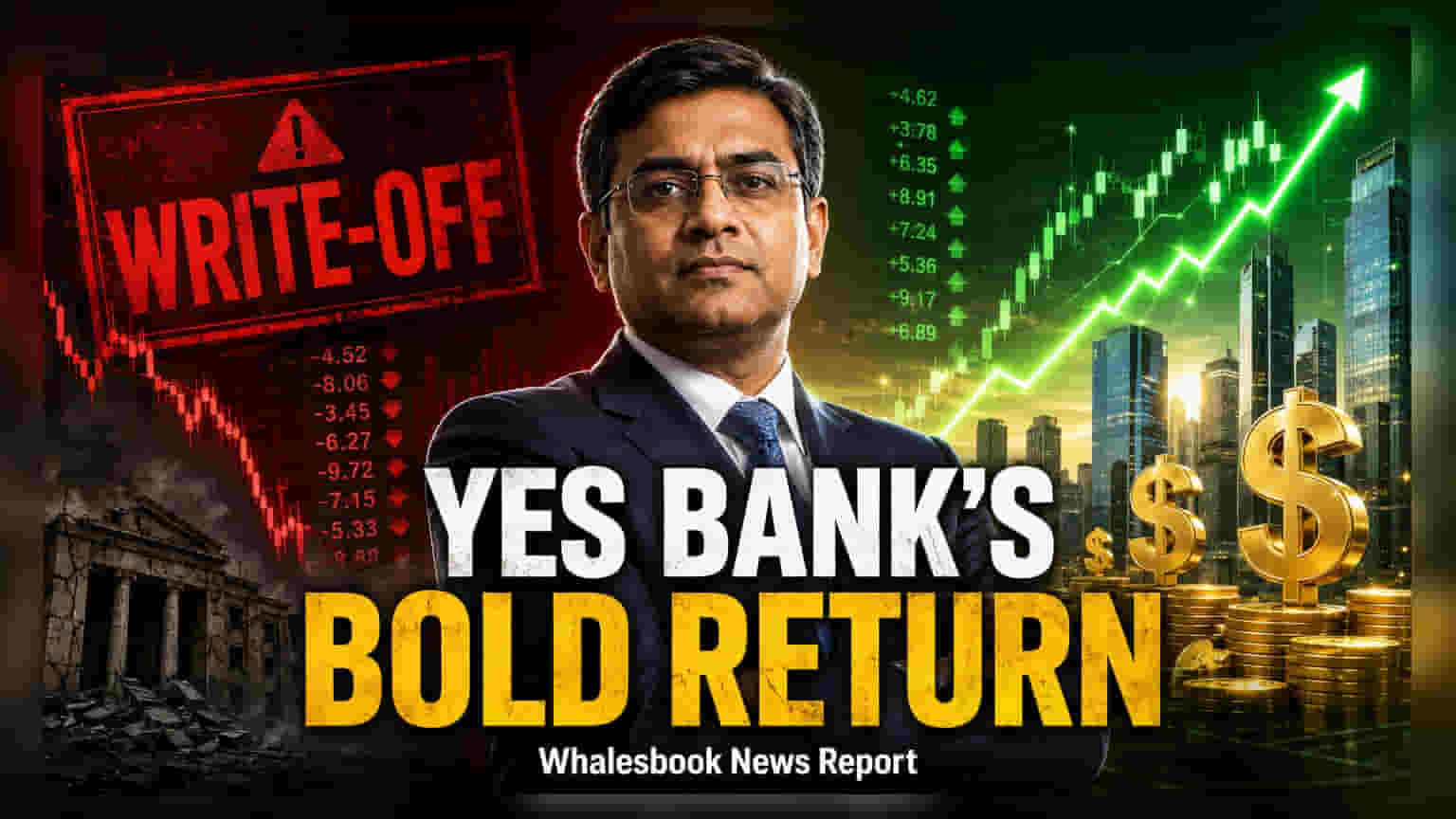
Yes Bank is initiating investor meetings to raise $850 million through international dollar bonds, marking its first foreign currency debt sale since the 2020 AT1 bond write-off. This move, supported by the RBI’s concessional forex swap window, highlights the bank's recovery, though investors are closely tracking the ongoing Supreme Court litigation regarding the past debt cancellation.
Yes Bank is returning to the international debt market, launching a campaign to raise $850 million through a Medium Term Note programme. The bank has scheduled virtual meetings with global fixed-income investors from August 17 to August 24, 2026. This issuance represents a significant milestone for the lender, as it is the first time the bank has tapped international markets for dollar-denominated debt since its restructuring in 2020.
The timing of this fund-raising is heavily influenced by a specific Reserve Bank of India (RBI) initiative. The central bank is currently offering a concessional swap premium for foreign currency borrowings with a minimum maturity of three years. This policy, designed to help Indian banks bolster foreign exchange reserves, is set to expire on December 31, 2026. As a result, other private lenders such as HDFC Bank, Kotak Mahindra Bank, Federal Bank, and RBL Bank have also been active in raising dollar funding to take advantage of this lower cost of borrowing.
Yes Bank’s financial profile has seen changes since the crisis period. The bank reported a net profit of ₹11 billion for the first quarter of fiscal year 2027, with a Common Equity Tier 1 (CET-1) ratio—a measure of the bank’s core capital strength—standing at 14.0%. Its asset quality has also shown improvement, with the gross non-performing asset ratio reported at 1.3%. The new dollar notes have been assigned a rating of Ba1 by Moody’s and BB+ by S&P, positioning them just below investment grade.
Despite these improvements, the bank still faces risks that investors should monitor. The most significant is the ongoing Supreme Court litigation related to the permanent write-off of the bank's Additional Tier 1 (AT1) bonds in March 2020. This unresolved legal matter continues to be a point of uncertainty for stakeholders. Additionally, the bank's reliance on external financing leaves it exposed to global market volatility. Once the RBI’s concessional swap window closes at the end of 2026, the bank will need to manage currency hedging costs without the current regulatory support, which could impact future profitability if not managed efficiently.
The next step for investors will be the conclusion of the investor meetings on August 24, followed by the final pricing and launch of the bond issue. Market participants will be looking to see the final interest rate the bank secures, as this will reflect global investor confidence in the bank’s turnaround story and credit profile.