

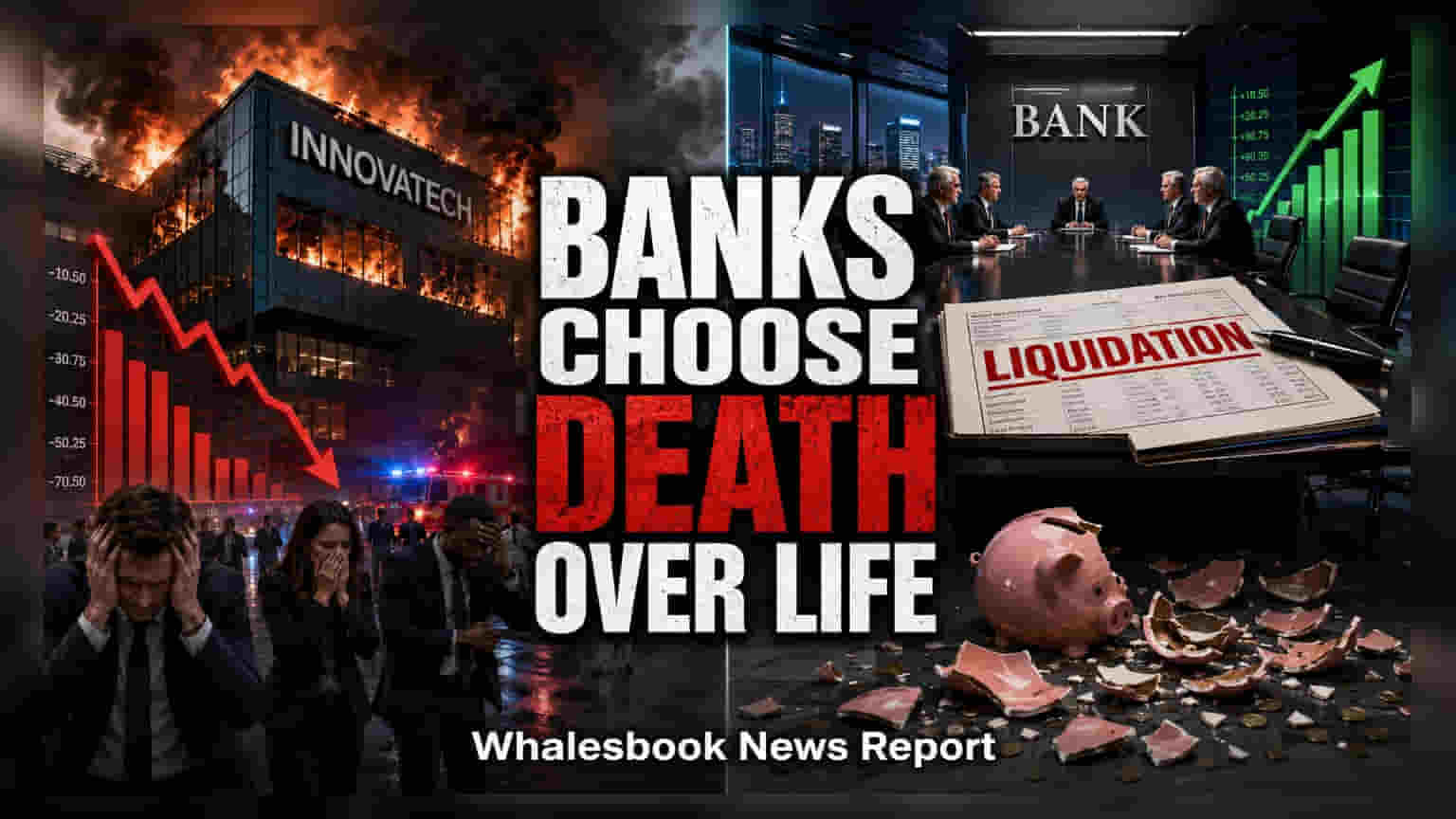
Indian lenders frequently push for liquidation of distressed companies, even when restructuring offers better financial value. This systemic 'liquidation mindset,' established during the initial loan sanction process, complicates debt resolution and impacts recovery expectations for stakeholders.
A significant challenge persists within the Indian debt resolution system: lenders often prefer to liquidate a struggling company rather than pursue a rescue or revival plan, even when the rescue option could lead to better financial returns. This tendency is not necessarily driven by the Insolvency and Bankruptcy Code (IBC) process itself, but rather by a deeply rooted 'liquidation mindset' that predates the insolvency filing.
The core issue lies in how banks calculate risk when they first sanction a loan. Years before a company falls into distress, lenders structure their recovery math based on the worst-case scenario—selling off assets to recover funds. This pre-set calculation becomes the benchmark for the bank's internal recovery expectations. When a company eventually enters insolvency, it is often difficult for bank officials to move away from these initial, conservative recovery targets, even if a restructuring plan offers higher long-term value.
This behavior creates a structural hurdle for the insolvency process. While the IBC was designed to prioritize resolution and value preservation, the legacy calculations used at the time of lending often override the potential benefits of a business revival. Consequently, amendments to the Code alone may struggle to change this outcome, as the bias is built into the bank's own internal credit evaluation and risk management framework.
For investors in the banking sector, this preference has broader implications. It means that the recovery efficiency for stressed assets is often capped by these pre-set liquidation expectations rather than being optimized for potential future growth. This is particularly relevant as the banking sector manages broader macroeconomic pressures, such as inflationary risks and upcoming monetary policy decisions from the Reserve Bank of India.
As the industry navigates a period where analysts are closely watching the sustainability of earnings in both public and private sector banks, the efficiency of debt resolution remains a critical factor. Investors often look for strong recovery rates on bad loans as a sign of a healthy balance sheet. When a bank consistently chooses liquidation over complex restructuring, it may signal a more conservative approach to risk, which can limit the potential for significant upside in recovery value.
Looking ahead, the market will likely track whether changes in lending practices or regulatory guidance can encourage banks to value business rescue plans more effectively. Investors may monitor how different banks handle their stressed assets, as those capable of successful restructuring rather than just liquidation may be better positioned to preserve and create value in the long term.