

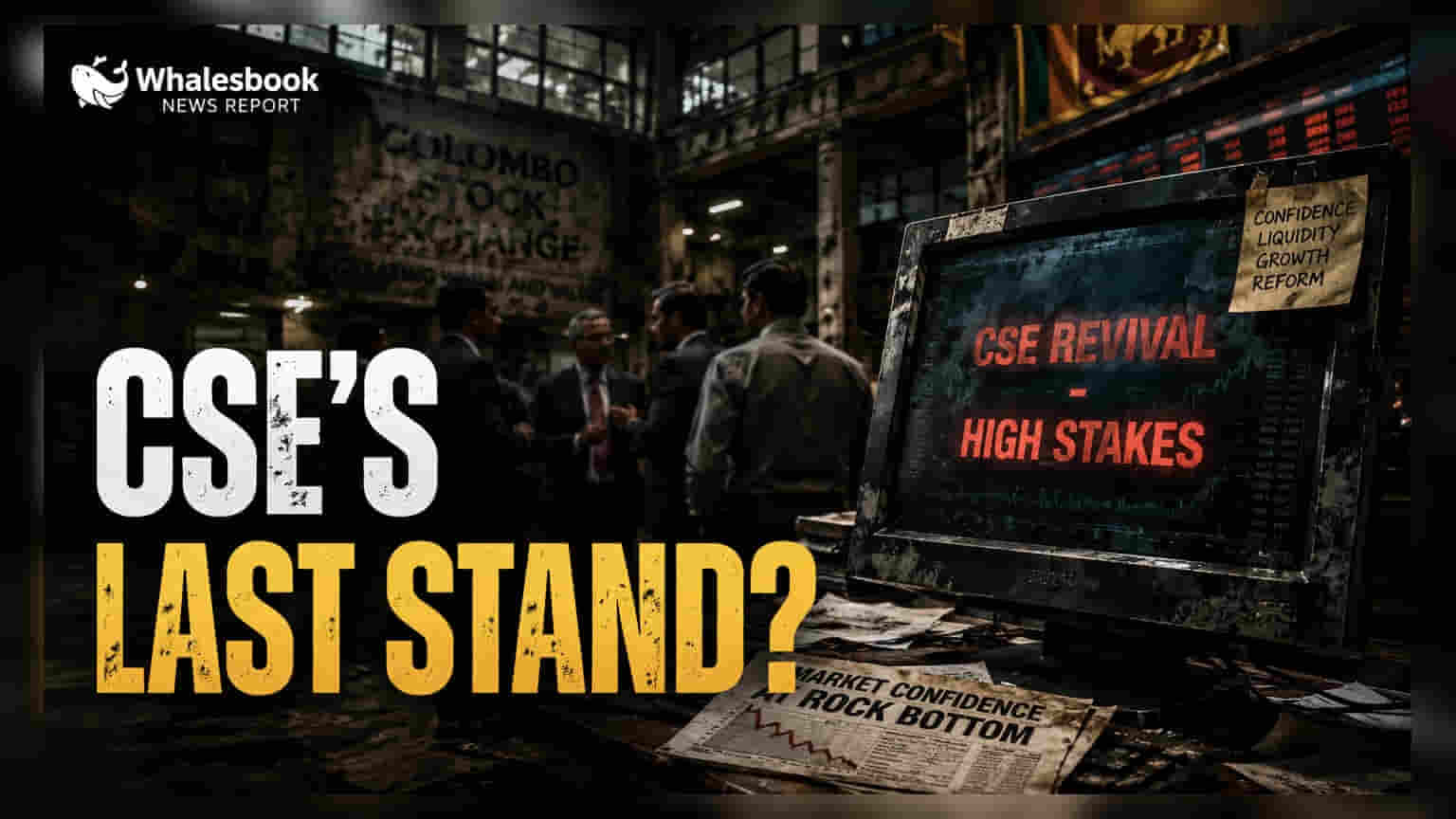
The West Bengal government’s 2026-27 state budget includes a proposal to revive the 118-year-old Calcutta Stock Exchange (CSE). Inactive since 2013 due to regulatory hurdles, the plan seeks to restore Kolkata’s status as a financial hub. However, significant challenges, including SEBI compliance, intense competition from established national exchanges, and substantial capital requirements for modernization, remain key hurdles for the project.
What Happened
The West Bengal government has formally announced plans to revive the Calcutta Stock Exchange (CSE) as part of its 2026-27 state budget. Finance Minister Swapan Dasgupta introduced the proposal, which aims to restore Kolkata’s historical status as a key financial center. Established in 1908, the exchange was once a primary bourse in India, second only to the Bombay Stock Exchange in size during its peak years. The government intends to support the 118-year-old institution’s return to operations to help boost capital access for businesses in eastern India and potentially create new avenues for investment.
The Path to Revival
The proposed revival strategy focuses on modernization and infrastructure development. After remaining inactive since 2013—a period marked by regulatory difficulties and legal complexities—the exchange now requires a comprehensive overhaul. The state government’s plan emphasizes the integration of advanced technology, surveillance systems, and high-speed trading engines to ensure the transparency and compliance standards demanded by modern financial markets. Officials have indicated that they are exploring new business models, including the potential listing of state-owned enterprises, to rebuild the exchange's relevance.
Why the Revival Faces Hurdles
While the goal to reclaim Kolkata's financial influence is clear, the practical execution faces a challenging road. The modern financial landscape is dominated by national electronic exchanges like the National Stock Exchange (NSE) and the Bombay Stock Exchange (BSE), which operate with deep liquidity and massive technological footprints. For a revived CSE, attracting participants and liquidity—the lifeblood of any exchange—will be difficult. Markets tend to concentrate where trading is already most active, creating a significant competitive disadvantage for newer or restarting regional platforms. Furthermore, the exchange must navigate a stringent regulatory environment, as SEBI requires rigorous compliance and investor protection protocols that are more demanding than in the past.
The Funding and Regulatory Question
Beyond competition, the exchange must resolve the long-standing regulatory issues that led to its closure in 2013. The revival will likely require significant capital investment in cybersecurity, clearing systems, and operational compliance. Financing this overhaul remains a major question, particularly as state budgets face competing priorities. Additionally, any plan for the exchange’s return must receive explicit clearance from SEBI, which maintains strict norms regarding exchange operations, governance, and financial stability. Success will depend not just on political will, but on whether the exchange can find a specialized niche—such as MSME financing or sustainable finance—rather than trying to directly replicate the general equity trading model of larger national players.
What Investors Should Track
The viability of this revival project will become clearer as the government outlines its implementation roadmap. Investors and stakeholders should watch for several monitorables in the coming months: the specific timeline for re-opening, the source of funding for technology infrastructure, the formal response and approval status from SEBI regarding regulatory compliance, and any public statements regarding potential listings or strategic partnerships that could provide the initial volume needed to jumpstart the exchange.