 Whalesbook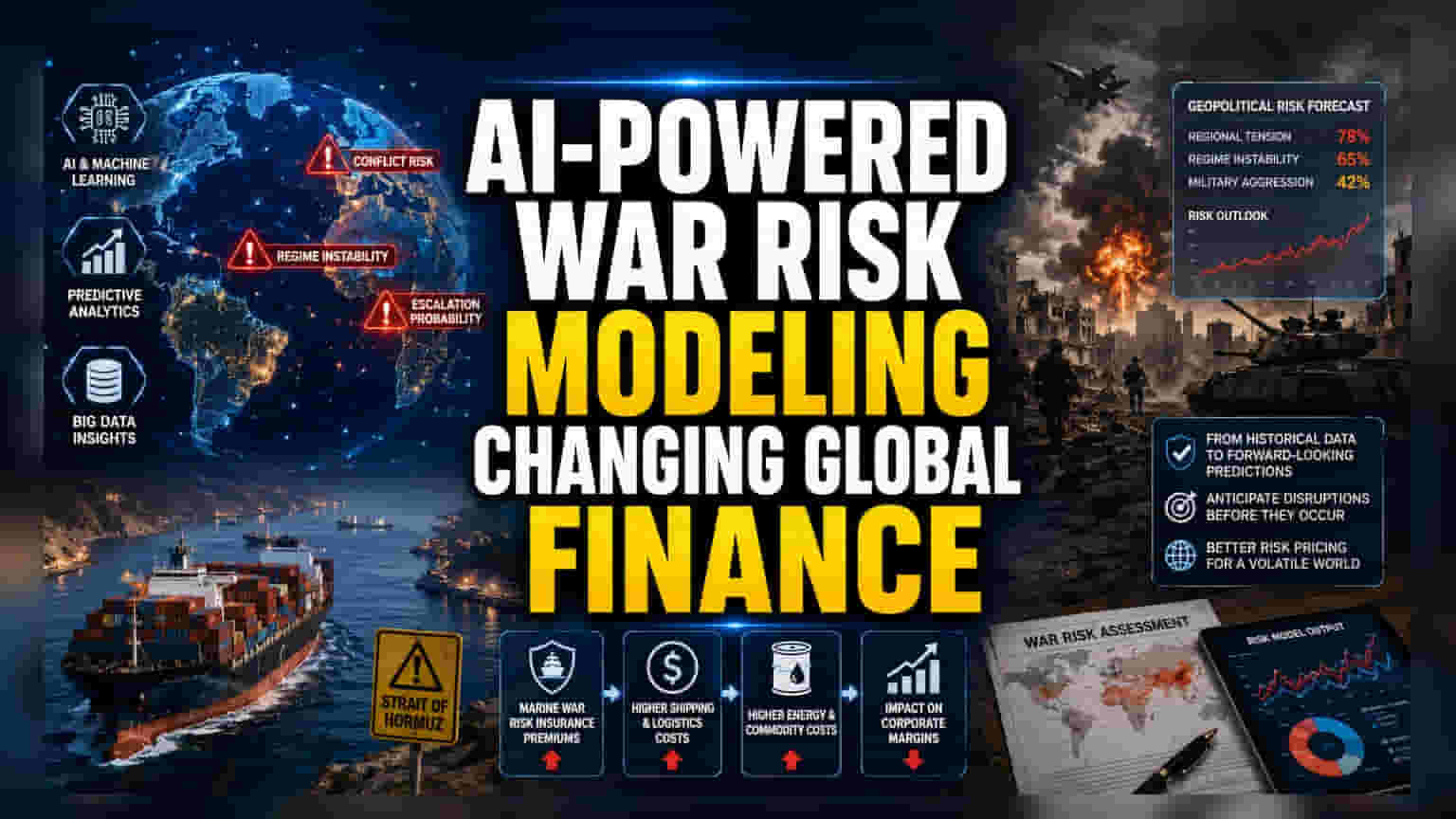


Major global financial institutions are adopting advanced predictive technology, typically used for natural disasters, to forecast and price war risks. With geopolitical conflicts creating significant economic uncertainty, firms are moving toward AI-driven models to better manage supply chain and insurance exposures. This shift highlights the growing impact of geopolitical volatility on global markets, which has direct consequences for shipping costs, energy prices, and investment risk assessments.
What Happened
Global financial institutions, including major banks and investment firms, are changing how they assess the risk of war and geopolitical instability. Traditionally, financial models relied on past data—looking at what happened in previous conflicts to estimate future risks. However, firms are now moving toward "catastrophe modeling," a technique originally used by insurance companies to predict natural disasters like hurricanes and earthquakes. These new models use artificial intelligence and machine learning to forecast potential conflict zones and the likelihood of military aggression, allowing investors and insurers to better price their risks.
Moving From History to Prediction
Experts at organizations like Verisk Maplecroft and the RAND Corporation are developing tools to move away from relying solely on historical patterns. These new systems analyze vast amounts of data, including social, economic, and political inputs, to create forward-looking projections. For example, some models now assign probability percentages to specific geopolitical events, such as regime instability or the escalation of regional tensions. This approach represents a shift from a reactive mindset to a proactive one, where companies attempt to anticipate disruptions before they occur.
Why This Matters to Investors
For investors, the primary concern is how these models influence global asset prices and supply chains. When risk models become more sophisticated, they directly impact the premiums charged for marine war risk insurance, especially in vital shipping routes like the Strait of Hormuz. When insurers raise these premiums, the cost of moving goods globally increases. This adds an extra layer of cost to international trade, affecting everything from energy prices to the availability of imported raw materials. Understanding these models helps investors identify which sectors or companies might face margin pressure due to rising insurance or logistical costs.
The Indian Context
This trend is particularly relevant for the Indian economy, which remains a significant importer of crude oil and other commodities. Much of India's energy supply passes through maritime chokepoints where geopolitical tension can lead to immediate spikes in marine war risk insurance premiums. Higher insurance costs for tankers and cargo vessels translate into higher landed costs for Indian oil refiners and logistics companies. As global financial firms refine these risk tools, their internal assessments may influence the cost of capital and trade financing for Indian businesses operating in or dealing with volatile regions.
What Could Go Wrong
While AI and machine learning can process large datasets, geopolitical events are notoriously difficult to predict because they involve human decision-making, which does not always follow logical patterns. There is a risk that these models could produce false signals, either overestimating risk—which could cause unnecessary panic or higher-than-needed costs—or underestimating it. Additionally, if the data fed into these models is flawed or incomplete, the output may be misleading. Investors should be aware that these predictive tools are still evolving and are not perfect predictors of future events.
What Investors Should Monitor
Moving forward, investors may track how insurance providers adjust their premiums in response to these new predictive models. Significant jumps in insurance costs for key trade routes can signal broader supply chain disruptions. Additionally, companies in the shipping, oil, and manufacturing sectors may provide updates in their financial reports regarding how they are managing geopolitical exposure. Monitoring the commentary from these companies on rising logistics costs and insurance overhead will be important for assessing potential impacts on profit margins.