

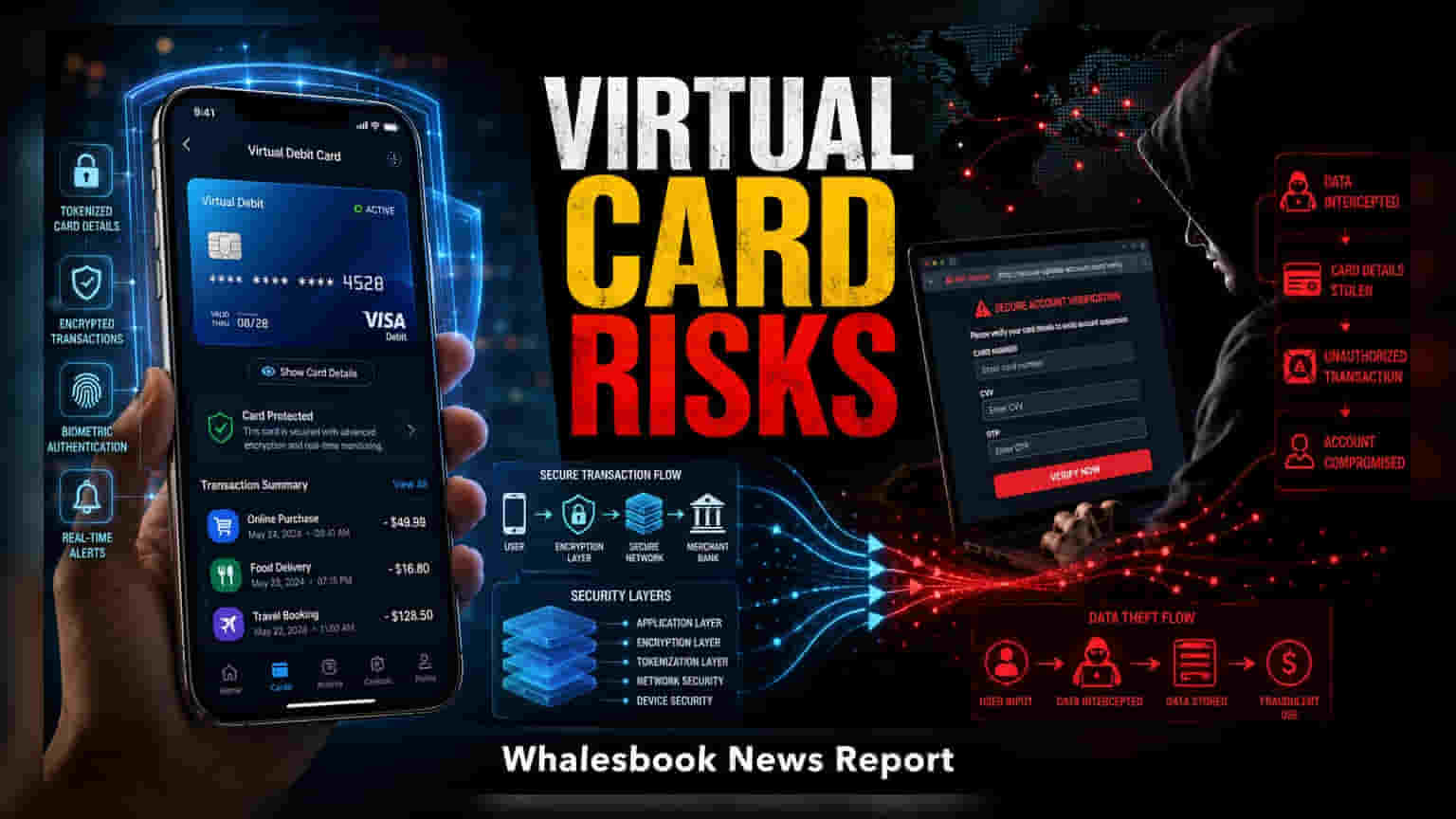
Virtual debit cards help manage online spending with temporary numbers and custom limits, but they remain linked to your main bank account. While they reduce risks from merchant data breaches, users must stay alert against phishing and fraudulent payment links. Understanding these limitations is essential for maintaining secure digital transactions.
As more Indians shift to digital-first banking, virtual debit cards have emerged as a popular tool for online shoppers. These digital-only payment instruments, provided directly by banks through mobile applications, allow users to transact without exposing their physical card details. While they offer specific advantages for safety, it is important for financial users to understand that these tools are not a complete shield against all forms of fraud.
Benefits of Virtual Cards
The primary appeal of a virtual debit card is the control it offers. Users can typically generate these cards within their banking app for one-time use or specific websites. Key features often include the ability to set a precise spending limit, which prevents unauthorized charges from exceeding a fixed amount. Additionally, because the virtual card number is different from the primary debit card linked to the account, a compromise at a merchant’s website does not automatically mean the main card needs to be blocked. This provides a layer of privacy and operational flexibility that physical cards lack.
Understanding the Security Reality
While virtual cards mitigate the risk of merchant-side data leaks, they do not make a user immune to common digital threats. Phishing scams, fake payment links, and social engineering attacks remain the most significant dangers. If a user unknowingly enters their card details into a fraudulent website or shares an OTP with a scammer, the virtual card offers no protection against the resulting loss. The money is debited directly from the user's linked bank account, just as it would be with a physical card.
Virtual Cards vs. Tokenization
There is often confusion between virtual debit cards and tokenization. It is vital to differentiate the two. Tokenization replaces sensitive card numbers with a unique 'token' for specific transactions, often used for mobile wallet or contactless payments. In contrast, a virtual debit card is a standalone payment instrument that functions like a card. It is not merely a masked version of a transaction; it is a direct channel to the user's funds.
Practical Limitations and Usage
Before relying on virtual cards for all transactions, users should note that they are not universal payment tools. Some merchants may not accept them for recurring subscriptions or specific high-value foreign transactions. Furthermore, they cannot be used for ATM withdrawals or offline purchases.
The most secure approach for digital transactions involves combining the use of virtual cards with standard cybersecurity hygiene. This includes keeping transaction alerts active, regularly reviewing bank statements, and strictly avoiding clicking on unknown payment links. While virtual cards add a layer of protection against merchant-side risks, they are a complement to, not a replacement for, constant vigilance.