 Whalesbook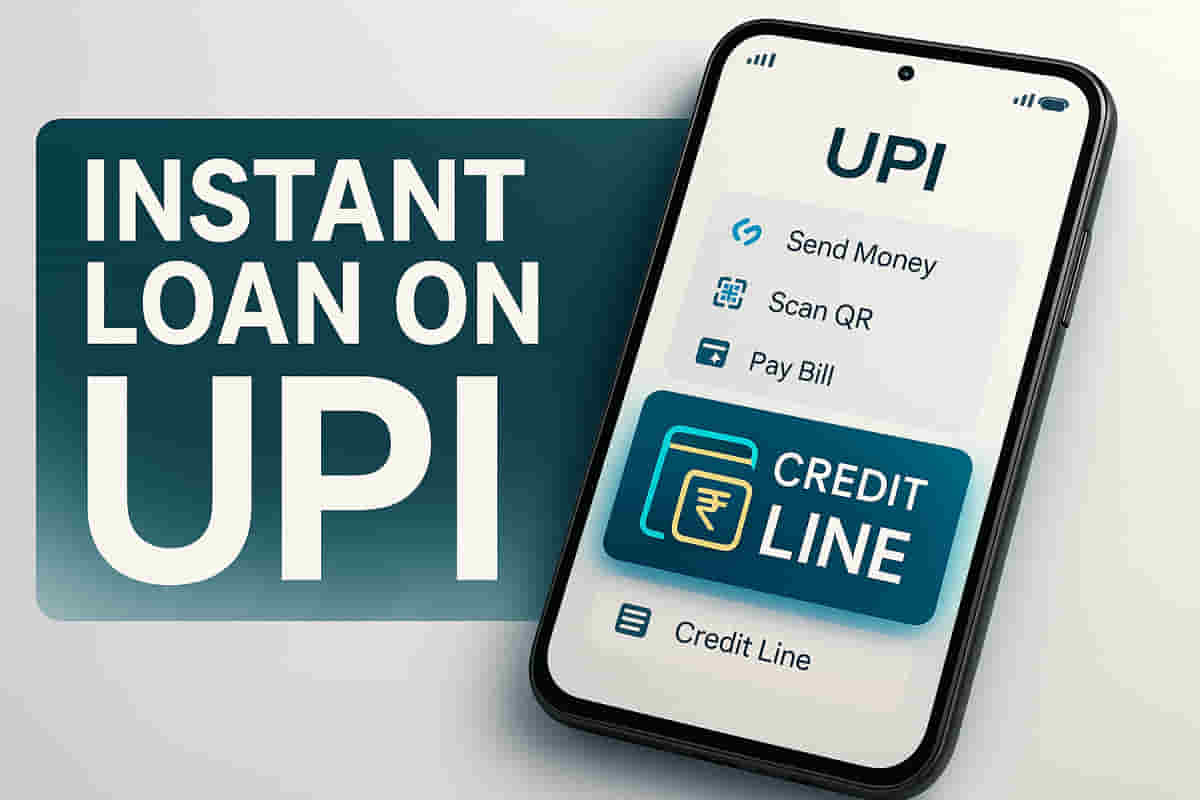
A UPI credit line is a new feature that allows users to access a pre-approved loan limit from their bank directly within their UPI (Unified Payments Interface) application. When making a payment, users can select 'credit line' as their funding source instead of their linked bank account. This process involves scanning a merchant's QR code or using other UPI payment methods and authorizing the transaction with a UPI PIN. It eliminates the need for entering credit card details, using physical cards, or going through multiple OTP screens for payment gateway verification, provided the merchant accepts 'credit-on-UPI' payments.
Similar to credit cards, UPI credit lines come with a monthly billing cycle and a due date. The exact cycle and any grace period are determined by the user's bank. If the full statement balance is paid by the due date, no interest is charged; otherwise, interest accrues like on a credit card.
Users can monitor their available credit line, set transaction limits, and receive alerts within their UPI app. Some banks may also offer the option to convert larger UPI credit line purchases into EMIs (Equated Monthly Installments) at the checkout.
For merchants, especially smaller ones already using UPI, accepting credit-on-UPI payments can be simpler than installing a card POS (Point of Sale) system. The fees for the consumer mirror credit cards: no fee if paid in full, but interest and late fees apply if not.
Refunds are routed back to the credit line, and disputes are handled through the bank or UPI app. While the risk of card skimming is reduced, users must protect their UPI PIN and enable security features. Traditional credit cards may still be preferred for specific transactions like hotel bookings, car rentals, travel holds, or high-value international online purchases where features like lounge access or global acceptance are crucial.
Impact
This innovation is expected to significantly boost digital transaction volumes in India by making credit more accessible for everyday purchases. It could drive greater adoption of digital payments among consumers and merchants, particularly those who find traditional credit card onboarding or POS systems cumbersome. Banks and payment providers stand to gain from increased transaction fees and interest income, further solidifying India's digital payment ecosystem.
Rating: 7/10
Difficult Terms Explained
- UPI credit line: A pre-approved loan limit provided by a bank that can be used for payments via the Unified Payments Interface (UPI) app.
- QR code: A scannable matrix barcode that can store information like website links, contact details, or payment instructions.
- EMI: Equated Monthly Installment; a fixed sum paid by a borrower to a lender each month to repay a loan.
- POS (Point of Sale): The location where a retail transaction occurs, typically involving a payment terminal or checkout counter.
- Chargebacks: A transaction that is reversed by the cardholder's bank, usually due to a dispute, fraud, or error.
- Credit score: A numerical representation of an individual's creditworthiness, based on their financial history, affecting their ability to obtain loans.