

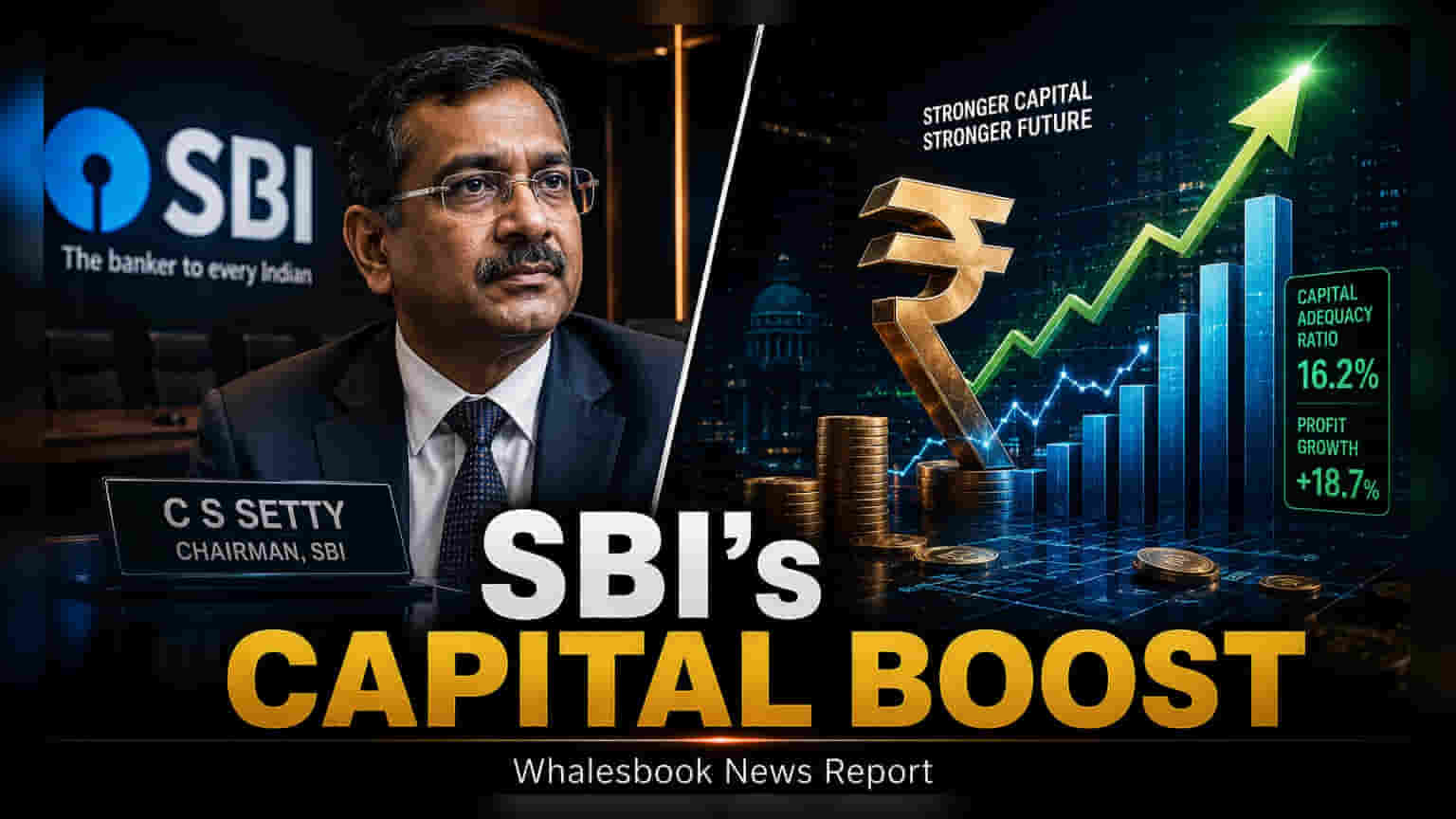
State Bank of India has raised ₹4,691 crore through Additional Tier-I bonds, marking the first such issuance by a bank in the current fiscal year. The move helps the lender strengthen its regulatory capital base as it prepares for future credit growth and evolving banking norms.
State Bank of India (SBI) has successfully concluded a fundraising exercise by issuing Additional Tier-I (AT-I) bonds worth ₹4,691 crore. The bonds, which carry an annual interest or coupon rate of 7.75%, saw significant interest from the market, attracting 89 bids from institutional investors such as mutual funds, pension funds, and provident funds. While the bank had a base issuance size of ₹3,000 crore, the strong demand allowed it to retain a total of ₹4,691 crore.
Role of AT-I Bonds in Capital Planning
AT-I bonds are specialized debt instruments that banks use to boost their regulatory capital without diluting the shareholding of existing investors. Under Basel III banking regulations, these bonds are classified as capital that can help a bank absorb losses during periods of severe financial stress. Because these instruments are perpetual—meaning they have no fixed maturity date—they are often issued with a call option, typically after five years, allowing the bank to repay or refinance the debt under certain conditions. For investors, these bonds generally offer higher interest rates than standard long-term deposits due to the inherent risk of loss absorption.
Strategic Funding for FY27
This bond issuance is part of a larger strategy by the country's largest public sector lender to raise up to ₹60,000 crore in the current fiscal year (FY27). The bank intends to use a mix of debt instruments, including Tier-II bonds and other long-term bonds, to support its lending activities and maintain capital adequacy. Strengthening its capital base is important as the banking sector anticipates the implementation of the Reserve Bank of India’s new Expected Credit Loss (ECL) framework. This framework requires banks to set aside capital based on future-looking estimates of loan defaults rather than just past performance, which may increase the total capital requirements for major lenders.
Market Context and Risks
Investors should note that while AT-I bonds help improve a bank's capital position, they carry unique risks. If a bank’s capital ratios fall below a certain regulatory threshold, the issuer may be allowed to skip interest payments or write down the value of these bonds to protect the bank's stability. While SBI’s systemic importance and strong capital buffers mitigate these concerns relative to smaller peers, the interest rate environment remains a factor. If market interest rates rise significantly in the future, the fixed coupon rate of 7.75% could become less attractive compared to newer bond issuances. Shareholders and bondholders will continue to monitor the bank’s quarterly capital adequacy ratios and the progress of its broader ₹60,000 crore fundraising plan as it progresses through the remainder of the fiscal year.