

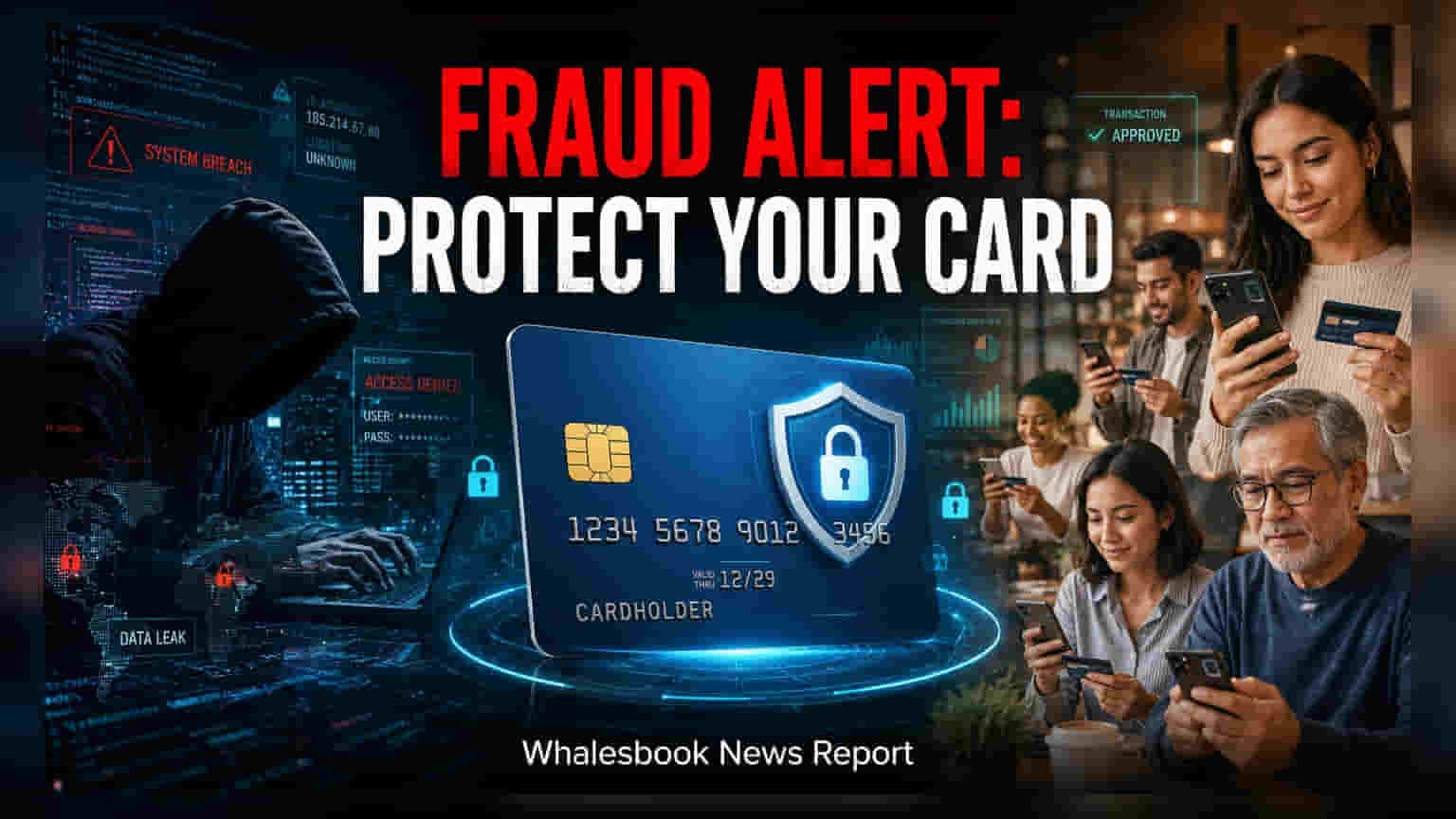
Digital payment fraud is increasing due to sophisticated AI-driven tactics. Understanding and implementing security measures like real-time transaction alerts, official app usage, and transaction limits can protect personal finances from unauthorized access.
The rapid growth of digital payments in India has brought significant convenience, but it has also led to an increase in sophisticated financial fraud. Scammers are increasingly using advanced methods, including AI-generated voices and complex phishing schemes, to target sensitive information such as card numbers, CVVs, and one-time passwords (OTPs). As these threats evolve, maintaining personal financial security requires a proactive approach alongside the defensive measures provided by banks.
Financial institutions employ multi-factor authentication and real-time monitoring systems to detect suspicious patterns. However, these systems often serve as the secondary line of defense. The primary safeguard against unauthorized transactions is the vigilance of the individual cardholder. Awareness of common tactics—such as receiving unsolicited requests for OTPs or PINs—is vital, as legitimate banks never solicit this confidential information over the phone, email, or text messages.
To minimize exposure, users may consider adhering to a strict set of safety habits when transacting online or in person. Avoiding the use of public, unsecured Wi-Fi networks for financial activities is a critical first step. When shopping online, verifying that a website is secure—usually indicated by an 'https' address and a padlock icon—helps ensure the connection is encrypted. Furthermore, downloading banking applications only from official app stores prevents the risk of installing malicious software.
Modern credit cards provide users with granular control over their spending and security settings. Activating features such as real-time transaction alerts allows users to monitor their account activity instantly. Many banking apps now allow cardholders to set daily spending limits, or selectively enable and disable features like international transactions, online payments, or contactless usage. Using tokenized or virtual card numbers for online purchases can also shield primary card details from potential data breaches at merchant sites.
In the event of a suspected compromise, speed is essential. If a card is misplaced or an unauthorized transaction is detected, freezing the card immediately through the mobile banking application or reporting it to the bank's customer support can prevent further losses. Regularly reviewing monthly statements for even small, unexplained discrepancies is a recommended practice to detect 'test' transactions often used by fraudsters before attempting larger thefts. By actively managing these security controls, users can significantly reduce their risk profile in an increasingly digital financial environment.